Edward Willis
-
Posts
1,141 -
Joined
-
Last visited
Content Type
News
Video & Audio
Men of the 2/2
Forums
Store
Gallery
Everything posted by Edward Willis
-
The Association's Annual Commemoration Ceremony will be held at the unit memorial Lovekin Drive, Kings Park, 3pm, Sunday 17 November 2024. Association members, their families, friends and other supporters are reminded and encouraged to attend this year’s historic 75th annual commemoration ceremony. The ceremony will again be live streamed online for those that cannot attend and for later viewing. Save the link and make sure you subscribe to our YouTube channel while you're there: https://live.doublereds.org.au/ Those attending are also encouraged to come along to the After-Ceremony Get Together at the Subiaco Hotel from 4:15pm.
-
 Thanks Rob - another little known aspect of WWII on Timor!
 -
TIMORESE RESISTANCE IN THE AINARO AREA – OCTOBER 1942 – MAY 1943 - Dom Aleixo Corte-Real, the liurai of Suro It deserves to be better acknowledged that a Timorese community in Ainaro, led by Dom Aleixo Corte-Real, the liurai of Suro, resisted Japanese rule until May 1943. As a consequence of his actions, Corte-Real was enshrined as a post-war Portuguese national hero in Timor. The following narrative of Dom Aleixo’s people’s resistance to the Japanese led assault on his domain was prepared by a Portuguese colonial-era historian Humberto Leitao in 1970 and smacks of patriotic fervour but it still conveys the large scale extent and ferocity of the fighting that continued in 1943 in the Ainaro – Suro – Hatu-Udo area after the departure of Lancer Force in January 1943. [1] Luirai Dom Alexio Corte Real of Ainaro and WWII hero (Centre) with Local Chiefs and Antonio Magno (far right). Aileu, Portuguese Timor 1938 “On September 2, 1939, WWII broke out. Portugal as well as neighboring Spain manage to remain neutral. In Portuguese Timor, since 1936, there were some Japanese officers who, in order to be able to travel around the island, disguised themselves as farmers and traders. However, unless you were familiar with the processes used by Japanese people in the preparations for the war against Russia could take those smiling and measurable subjects for harmless and peaceful people, who, after all, were taking advantage of every opportunity to carry out expeditious topographical surveys, take note of the main terrestrial communication routes and collect the more necessary and convenient elements for future war operations. Until the moment arrived, they wore the uniforms of modest officers. Because the island was so far away from the operations fields and we remained neutral, life there went on without much care. On December 8, 1941, however, news of the Japanese attack on Pearl Harbour in Honolulu, was captured in Dili. Dutch and Australian Occupation of Dili Japan's entry into the war came with a clear threat of Japanese attacks on the Dutch East Indies and Australia. A few days later, on December 17th of the same year 1941, Lieutenant Colonel Stressman of the Dutch Army disembarked in Dili and, in an audience requested from the Governor, announced that it would become necessary for them to disembark in our territory that same day, Dutch and Australian forces in order to protect the island against an imminent Japanese attack. Shortly afterwards, disembarkation began at the mouth of the Comoro river, located to the west and close to the capital. Surprised, the Governor, after listening to the service chiefs and the commander of a unit stationed a short distance from Dili - made up of indigenous people, for the most part, poorly armed and poorly equipped, decided, due to lack of resources, not to offer resistance. to invaders; but, in order to mark his protest against what had happened, he became a prisoner, entering the Government palace. A few days later, in order to avoid any incidents between personnel from that unit and those from foreign forces, he ordered them to be transferred to Maubisse [2], a post located in the interior of the island, close to Suro. The Dutch [led] force consisted of around 1200 men, many of whom are Javanese; the Australian, for 380, specially trained for guerrilla warfare. They entered the city in the best order and then, it must be said, they proceeded with full respect for Portuguese sovereignty. And yet, it is surprising that there was anyone who could conceive the possibility of, with such meagre forces, preventing the Japanese landing in Dili or at any other point on the island's vast coast, and that, necessarily, it had to be carried out the shadow of warship artillery, against which the Allied forces could not respond effectively. That operation, whose purpose was doomed to complete failure, was, in the end, an act of arrogance that served as justification for the Japanese to also disembark on the island, where they began to commit the most heinous crimes. The Japanese Assault on Dili As was natural, his landing did not take long, as it occurred in the early hours of February 20th of the following year - 1942 -, preceded by a heavy bombardment of Dili. The operation was carried out at the mouth of the Comoro river and then, directing it on land, there were in uniform the peaceful Japanese who a few years earlier had settled on the island under the guise of farmers and traders. The Dutch, who were entrusted with the defense of the city, offered little resistance, except those defending the aerodrome. At the time, the Australians were in the interior of the island reconnaissance of the terrain and preparing for guerrilla warfare. Some Portuguese joined them. Contrary to the way the Australian and Dutch troops behaved, the Japanese soon showed themselves to be arrogant, incorrect and provocative. They did not respect other people's property. They indulged in looting commercial establishments and private homes and destroying everything that was of no use to them. They released the criminals imprisoned in the Dili jail and associated them with the looting. They had vexatious demands. Thus, a sergeant, head of the police, was tasked with finding women for a lupanar (prostitution) [3]. They presented themselves to the indigenous people as their liberators and tried to incite them to revolt. With indigenous people from Dutch Timor and neighboring islands, they formed columns, later known as “black columns”, which grew larger with people from our territory, mainly from Manufai, Maubisse and border kingdoms. By this means, gangs of jackals were released, incited to commit heinous crimes - devastation of cultures and towns, murders of men, women and children, ill-treatment, mutilation and torture. They served as cover when, in difficult interior regions, they intended to advance. For the “saviours of Asia” the lives of those people - the vast majority of whom were brutish people - did not count. They also used them to carry out crimes that they intended not to be accused of. In the early days, the guerrillas caused great damage to these columns, as well as to the Japanese troops. They caused hundreds of deaths. In this distressing situation, the Portuguese from the Metropolis sought to explain to the Timorese chiefs the reasons for the struggles that were taking place in our territory and assured them that, after the war ended, Timor would continue to be Portuguese. Meanwhile, in Ainaro, D. Aleixo, accompanied by highly trusted leaders, was getting news of everything that was happening and any “black column” that wanted to disturb the peace near his Tranqueira [territory] was chased away. Dom Aleixo Moves to Suro-Lau In mid-1942, seeing the direction events were taking, he decided to leave Ainaro to settle in Suro-Lau, whose altitude is 1800 m. As happened at that post, the guerrillas went there from time to time to acquire the living they needed most. Because they fought the Japanese - the “matan bubo” (swollen eyes), as the Timorese called them, D. Aleixo considered the Australians as friends. In return for the favours received, they gave him weapons and ammunition, which were later used in the heroic defense of Suro-Lau. In August of the same year, a revolt broke out in Maubisse. From the Commander of the Companhia de Caçadores, then stationed in Aileu, D. Aleixo was telephoned for men to help quell the revolt. The reguloimmediately ordered 350 men to be presented to that Command under the orders of his son Alexandre [4]. In mid-September, the town of Ainaro was visited by one of the so-called “black columns”. As there, if the leader was not found, the leaders went to the Mission, where Fr. Norberto de Oliveira Barros and Fr. Antonio Manuel Pires. That time they limited themselves to demanding different foods from them and taking possession of several animals that the missionaries were raising for their sustenance. The Black Columns Attack Shortly afterwards, with Maubisse's revolt having already been suppressed, as, according to their intentions, the Japanese wanted to maintain free movement in Aileu, where the Command of the Companhia de Caçadores was located - which, although made up of a small number of men, it could well withstand the attack of a “black column” and even put it into disorganized flight - on the night of October 1st of the same year 1942, they bombarded the commander's residence with mortars and the barracks of that Company, an operation immediately followed by a ferocious assault by bandits from the “column”, largely armed with rifles and hand grenades. The bombing made the officers and soldiers of the Portuguese unit believe that it was an irresistible attack by Japanese forces, which would be followed by the usual horrors. Of this false judgment gave rise to confusion. Most of the soldiers fled. Commander Freire da Costa and his wife, unwilling to fall alive into the hands of the cruel enemy, committed suicide. At least some of the Europeans who were at the commander's residence did the same thing. If there were anyone who did not follow their example, they were murdered, with the exception of one who managed to save himself by hiding under a bed and behind a corpse that he pulled towards him, in order to remain more hidden. However, he was injured by a bullet fired at the deceased, with the suspicion that there might still be a breath of life in him. This attack carried out by the “black column” with invaluable cooperation from the Japanese, resulted in the loss of 9 European lives and several indigenous soldiers. [5] Perhaps it was this column that D. Aleixo, on the following day, October 2nd, saw heading towards Ainaro. As soon as he noticed this, he sent a messenger ordering him to quickly warn the Mission priests that they should flee without delay, as the column, which was not far away, was heading that way. Back in Suro-Lau, the messenger still managed to say that the priests refused to abandon the Mission, as their consciences were clear. Moments later, he fell lifeless because he had demanded greater efforts from his heart than he could take it. The sacrifice of the helpful Timorese was, therefore, useless and all the more so because Fr. Norberto de Oliveira Barros and Antonio Manuel Pires, and also the deportado Ferreira da Silva, who had remained with them, were savagely murdered, their bodies taken behind the church and there covered with straw to which the fire was placed [6]. At the time of this horrible event, the people of Suro, on the advice of their rulers, had already taken refuge in the mountains. Should D. Aleixo, after this and other nefarious crimes, have no doubt that, soon, he would be the target of Japanese attacks and the “black columns”, where there were people from Manufai who hated him to death. On February 11, 1943, the Australians who were still fighting in Timor withdrew to Australia because they were needed to defend New Guinea, which was being attacked by the Japanese. Dom Aleixo’s Defensive Dispositions Near Ainaro Dom Aleixo’s defensive dispositions near Ainaro Aware of the increasing danger in which he and his people found themselves, D. Aleixo decided to man some difficult-to-access positions that surrounded part of the Ainaro plain and dominated the roads that led to Suro. At the time, the group formed by the head of the Atsabe post, second sergeant José Estevão Alexandrino, by the Atsabe D. Cipriano regiment, was already taking refuge in Suro-Lau, accompanied by his son-in-law Jose dos Reis and the latter's brother, from name Alarico Fernandes; by the deportado Felnes Duarte, by the two mestiços José Cachaço and Romualdo Aniceto and by Talu Bere, chief of Maliana. This group, which had been busy fighting against the Atsabe's rebels, finding themselves harassed by Japanese forces, managed to escape from them and take refuge in Suro-Lau. Sergeant Alexandrino, when Lieutenant Liberato ordered him to join the detachment operating on the border, in order to go to the Liquica concentration camp, did not obey and, when in Suro-Lau, he was invited to join the other Portuguese to be evacuated to Australia, he refused the invitation, preferring to stay at D. Aleixo's side. [7] He, as he had planned, distributed his companions and people from the camps in the following positions: (1) In Suro-Lau [8] he stayed with 4 children - Benjamin, Adriano, Alexandre and Afonso -, his beloved friend Francisco Costa, known as Nai-Chico, from Hato-Udo, and people from this village and from Ainaro; (2) The defense of the second position, which was also in Suro-Lau and very close to that occupied by D. Aleixo, was handed over to Cipriano do Carmo Verdial, head of Suro-Craic, and his brother Jaime Verdial da Silva. It was garrisoned with people from Ainaro. These Verdial brothers were 3.0 degree cousins of D. Aleixo, as they were sons of Nai-Pusso, brother of Nai-Cau, of whom we already talked about it [9]. (3) The stronghold of Leo-Moa was entrusted to Sergeant Alexandrino, who had with him those who accompanied him in the fights in Atsabe and also Professor Araujo, his son Vasco and indigenous warriors. [10] (4) The city of Fato-Mera, which dominated the road from Atsabe to Ainaro, was handed over to Antonio Magno and the people of his jurisdiction - this Antonio Magno, also a son of Nai-Pusso, was, therefore, the brother of Cipriano and Jaime Verdial. (5) The last position was that of Manu-Tassi [11], overlooking the road from Maubisse to Ainaro and the paths that lead to Hatu-Builico and defended by chief Marcos, from Nunamogue, by his son Ananias and by people from the same Manu-Tassi, Soro and Nunamogue. Once these positions were occupied, criminals from “black columns” who came within firing range were harshly punished. Aware of D. Aleixo's firm attitude, the Japanese decided to send emissaries to invite him, with tempting proposals, to cooperate with them. To such proposals, the regulo haughtily replied that he was Portuguese and, therefore, he would only serve the Portuguese. Hatu Udo, Portuguese Timor 1945-12-14. Sergeant G. Milsom talks with Jamie Verdial of Ainaro who had helped the Australians in the Hatu Udo area. Sergeant Milsom, formerly of the 2/2nd Independent Company, accompanied the Military History Section Field Team attached to TIMFORCE and acted as a guide. (Photographer Sgt K. Davis) [12] Initial Successful Defense of the High Ground Seeing that it is not possible to lay hands on him due to stupidity and mildly means, they decided to attack the strong positions in which he and his companions were perched. Certain that in the fight they were going to fight they would lose many lives, they tried to reinforce the “black columns” with people gathered in various lands, especially in Manufai, nearby, and the border - at the time completely unmanned by Portuguese troops. According to estimates, around 15,000 men were gathered. As was customary, the indigenous forces were tasked with carrying out the attack, as the certain death of many hundreds of those poor people, deceived by false promises and incited to crime, would not weigh on the conscience of the “liberators of the Timorese people”. With a huge shout, the “black columns” launched the assault. They received very harsh punishment. To this assault others they followed, but, in all cases, the assailants were repelled. The losses he suffered were enormous. Seeing the “black columns” being decimated in such a way by those obstinate people, the Japanese, enraged by so many failures, decided to reorganize the forces at their disposal and resume the fight, successively attacking position by position. Fall of the High Ground Defences It was Manu-Tai which was the first to be captured, but it only fell into their hands after a very hard fight. Chief Marcos, his son Ananias and many of the warriors who fought with them lost their lives there. The attack on the stronghold of Fato-Mera followed, which, despite having been bravely defended, fell into their hands. Chief Antonio Magno was imprisoned there, who managed to survive until the end of that war. After Fato-Mera, Leo-Moa's position was attacked. In this case, the defenders still managed to hold out for a day, but then the lack of ammunition and supplies forced them to surrender. There, the enemy captured alive the Sergeant Alexandrino, D. Cipriano, a regulo of Atsabe, the mestiços Romualdo Aniceto and José Cachaço, the chief Talo-Bere, as well as several indigenous warriors. Sergeant Alexandrino and the mestiços were taken to Ermera, where a Japanese officer killed him with a pistol shot. His two fellow prisoners were killed by firing squad. As for D. Cipriano, a ruler of Atsabe, and the chief Talo-Bere, before the fight for the conquest of Suro-Lau began, they were savagely murdered by people from the “black columns”, who threw them from the bridge from Mau-Mali to the rocks between which the river runs. What now remained was to conquer the position where D. Aleixo found himself. To achieve this more easily, the Japanese preceded the assaults by bombarding them with mortars and three planes, which, at the same time, tried to strafe the defenders, believing that this would reduce their morale. They were wrong, as it seems to have given them renewed courage to fight fiercely and repel all the assaults carried out that day, causing considerable losses to the opponent. That day, the Japanese also suffered the disappointment of the besieged having hit a plane that crashed in Ainaro, near the Mission. [13] The following day, the fighting continued with enormous ferocity. Meanwhile, the Portuguese flag remained, exposed to the wind, in Suro-Lau, defended by a heroic group of Portuguese from Timor. When the third day arrived, the assaults continued, which the defenders, with unwavering bravery, repelled. Despite the successes achieved, the besieged found themselves in a very precarious situation, as the continued fighting during those three days had almost exhausted their ammunition, and the ammunition they had in reserve was already very few. It became urgent to make a resolution. D. Aleixo took it, sending a message to Jaime Verdial so that, during the night, with his companions, he would try to break the siege and head to the plains to seek refuge. He would however try the same, following other paths. Dom Aleixo Captured and Executed According to what was established, those, in the dead of night, because they were not present, saved themselves from martyrdom and certain death. Less fortunate, D. Aleixo and his companions did not escape the surveillance of the enemy, who managed to imprison them in the vicinity of Hato-Udo. [14] Taken to the old posto in this location, D. Aleixo, his main companions, as well as family members, and also the nurse João da Costa Tilman, were locked up there under Japanese surveillance. The remaining prisoners were placed, with a sentry in sight, in nearby barracks. At the beginning of the afternoon, they heard the prisoners discussing, in the yard, about the fate that would be given to them and, among other things, they realized that they intended to tie them up. Hearing this, D. Aleixo, angry, not accepting humiliation or dishonourable death, broke down the door and threw himself, although unarmed, at the first Japanese man who came across him, but, after a brief struggle, he fell with his chest pierced by a bayonet. Of his companions, those who imitated him, it was not long before they were shot or killed with a bladed weapon. Two managed to escape through a window and escape, getting into the dense vegetation. They were D. Aleixo's grandson, Joao Cesar Corte-Real, then a boy of about 19 years old, and Fausto Corte-Real, the governor's brother-in-law. Nurse Tilman, due to his bulk, not being able to use that exit easily, remained in the office where, found by the Japanese, he was murdered. [15] This was followed by another no less horrible tragedy - the death of those brave people who had been placed in the hut. It is possible that this woman, although unarmed, had also fought hand to hand with her tormentors and did not allow herself to remain inert and receive death. This time, the Japanese, with a few remnants of humanity, ordered the women and children to be spared from the slaughter. The Hato-Udo yard was covered in corpses and they remained there unburied for more than two years, until, after the surrender of the Japanese in Timor, on September 11, 1945, it was possible to collect their remaining bones. Portuguese colonial era school book depiction of the assassination of Dom Alexio by Japanese soldier [16] NOTE: Shortly after their recovery, the skulls of Dom Aleixo and his three sons, Alfonso, Francisco, and Alveira, were placed on public display, in Ainaro and were photographed there on 24 January 1945 by Sergeant K.B. Davis of the visiting Australian Military History Section team. The remains were subsequently re-interred in a new monument in Ainaro honouring the Memory of Dom Aleixo. Ainaro, Portuguese Timor. 1946-01-24. Skulls of the King Alexio and his three sons, Alfonso, Francisco and Aliveira displayed in the sepulchre of the royal family. The four were killed by the Japanese because they had been of great help to the Australians of Sparrow Force. (Photographer Sgt K.B. Davis) [17] Portuguese Honour the Memory of Dom Aleixo To honour the memory of D. Aleixo, there is a tapestry of Portalegre on display in the Noble Hall of the Palácio das Repartições, in Dili, where he is depicted with the Flag of Quinas wrapping his belt, his muscles tensed, with his sword raised in a position to deliver a blow capable of annihilating any opponent. On the right, in the bottom corner, there is the following caption: WRAPPED IN THE FLAG OF THE MOTHERLAND THE REGULO OF TIMOR D. ALEIXO CORTE-REAL PREFERS TO DIE NOT YIELDING TO THE INVADERS. The Tapestry (from the Portalegre Factory) that disappeared in the maelstrom of the Indonesian occupation and which recalled, in the Noble Hall of the Palácio das Repartições, the heroic act of Dom Aleixo Corte Real In Ainaro a monument was erected to him. It is an arch with sober but elegant shapes, set on a platform, to which six steps give access. At the opening of the arch, supported by a metal frame made of curved pieces, an Avis cross stands out. From the severity of the highest mountains of Timor, which partly surround Ainaro, the place offers special conditions for meditation and recollection. Time wastes the importance of events and even causes some, although important, to be forgotten. It would behove time not to do anything more to the sublime act performed by D. Aleixo. To prevent this from happening, it seems to us that, annually, on a fixed day in the month of May, the youth of Timor's schools or their representatives would go on a pilgrimage to Ainaro to lay flowers at the base of the monument, giving them this is an occasion to remember the Hero's glorious deed, the nobility of his character and the unyielding patriotism that led him to sacrifice his own life”. NOTE: “On May 10, 2002, the day of the restoration of Independence in Ainaro, … the inauguration ceremony [was held] of the rehabilitation of the monument promoted on the ground by the late Nuno Franco and coordinated by Dr Rui Fonseca. The Monument dedicated to Regulo Dom Aleixo, in Ainaro Timor-Leste. Under the motto "For Portugal" (top of the Arch), the heroic struggle of this Timorese Regulo against the Japanese Invader is remembered. The monument is also a tomb, and the remains of this Regulo, killed by the Japanese in 1943 during the Second World War, were deposited there. The Monument is also flanked by two stone graves approximately 5 meters to the right and left in front of the monument, where the remains of two martyred Fathers will be found. [?] On the left side of this monument are the ruins of the old Regulo Dom Aleixo Residence, which was destroyed in the 70s. [19] Monument erected in Ainaro in memory of D. Aleixo Corte-Real References [1] Humberto Leitao. - O Regulo Timorense D. Aleixo Corte-Real. – Lisboa: Edição do Grupo de Estudos de História Marítima, 1970: 57-71. [2] Liberato, O Caso de Timor: 40. [3] Brandão, Funo - guerra em Timor: 60. [4] José Simão Martinho, Vida e Morte do Regula Timorense D. Aleixo: 22. [5] Liberato, O caso de Timor: 162, 167. [6] P.e Martinho da Costa Lopes, “D. Aleixo Corte Real, Um Herói já Lendário do Nosso Seculo, revista” Defesa Nacional n.os 193-194. [7] Ezequiel Enes Pascoal, A alma de Timar na sua fantasia: 94. [8] Google Maps - 9°00'58.9"S, 125°32'22.5"E [9] Ezequiel Enes Pascoal, A alma de Timar na sua fantasia: 94. “This post dominated the Ainaro-Cassa-Mape-Bobonaro road”. - Rocha, Timor: ocupação japonesa durante a Segunda Guerra Mundial: 110-112 [10] P.e Martinho da Costa Lopes: 20. [11] 8° 59' S, 125° 32'E – ASPT: 83; 8°58'55.6"S 125°32'02.0"E – Google Maps. “This post dominated the main road Maubisse-Ainaro and the road from Ainaro to the post of Hato-Builico” - Rocha, Timor: ocupação japonesa durante a Segunda Guerra Mundial: 110-112. [12] https://www.awm.gov.au/collection/C200646. [13] There are those who claim that two planes were shot down. [14] Os Ultimas Dias de D. Aleixo Corte-Real - version of his grandson João Cesar Corte-Real, who managed to save himself from the Hato-Udo massacre. [15] João Cesar Corte-Real. [16] https://scontent.fper7-1.fna.fbcdn.net/v/t1.6435-9/31543090_10210566516790335_9091489310774919168_n.jpg?_nc_cat=104&ccb=1-7&_nc_sid=5f2048&_nc_ohc=4qJBLxuThZwQ7kNvgFHXWnC&_nc_ht=scontent.fper7-1.fna&oh=00_AfBdTkI-oaUTtsTg8Hojt6olIxr5GP1Lowfe8qzrY4IwUg&oe=6662EC13 [17] https://www.awm.gov.au/collection/C221127 [18] Rui Brito da Fonseca. - Monumentos portugueses em Timor-Leste. - Dili, Timor Leste: [Crocodilo Azul?], 2005: 80-81.

-
Water Treatment Plant -Los Palos Timor Leste
Edward Willis replied to Thomas Hoyer's topic in Funding Proposals
Tom Hoyer sent me the attached additional info about the Los Palos water project. Ed Water Project in Timor Leste 2024.docx -
Laclo 8° 33' 20” S, 125° 55' 11" E [1] Laclo is 7 miles (11 km.) at a bearing of 246° from Manatuto. It is a posto town of about 20 stone and many native houses on the North Laclo River. There are few native villages in this district, which is rather arid. North of Laclo there is a mountain range of nearly 5,500 feet (1,675 m.) elevation at its highest point; the crest of this range is only 3 miles (5 km.) north of Laclo. An old motor road passed through Laclo for Manatuto to Meti Naro and Dilli. It is now fallen into disrepair and is only traversable by horse. [2] Laclo location map [3] The 4AIC becomes active in the Laclo area: "From Laclubar we carried out daily patrols to familiarise ourselves as quickly as possible with our area of responsibility - along both sides of the Sumasi River which flowed from Laclubar past Cribas before joining the North Laclo River south of the major coastal town of Manatuto, situated on the east-west road between Dili and Baucau on the east end of the Island. Other roads from Dili, Manatuto and Baucau all went south for relatively short distances, the one from Manatuto went south from Cribas to approximately the centre of the Island. Our early patrolling was completely unhindered by the Japanese." [4] Demolition Work On The Manatuto-Dili Road – 20 October 1942 “Lieut. Morgan, who had led the 2/2nd Company party that blocked the road east of Manatuto on the 22nd of September, decided to do it once more before he left the island. A patrol, comprising troops from No.4 Section 2/2nd Company, escorted the 2/4th Company's Engineers and a cuda pack train, with native handlers worrying about their cargo of 400 lbs of amatol, set off from Fatu Maqueric on 20 October. Jack Jones goes over some of the details with his old OC Frank Hammond and Curly Papworth. Jack: ‘We went through Laclo to the Manatuto-Dili road to see if we could do some damage to that road. We arrived at Laclo Village in the late afternoon and made our way over the mountain, reaching the other side in the twilight. ‘We were digging our holes - we only had dixies and digging sticks to dig with - when we heard voices down below. We kept very quiet until we learnt that the 'voices' came from a group of Timorese fishermen who were singing on their journey home. We resumed digging and completed our holes. Then we filled them up with Amatol and stuffed it up the drains that were there too’. Frank: ‘Jack and I cleared the area and lit the safety fuse. The good book says don't run, so we didn't. I think a quick jog would more describe our retreat to a nearby culvert. Jack just beat me to it, but I managed to squeeze in beside him and then the earth shook. We were splattered with light rubble and earth and could hear the whiz of bigger rocks and clods of earth go over our heads. On inspection the road was completely blocked’. Curly: ‘It would have taken a lot of hard work to clear that road again’. Jack: ‘We went back over the range and came to a village we thought was Laclo, but it turned out to be Ili-Heu. It was on the Laclo River. We stayed there until the following day when we moved back to Fatu Maquerec’. On the 23rd, Japanese troops were observed clearing the debris, a task which kept them busy for the next few days. They were last seen returning wearily to Hera on the morning of 27 October. Planning An Ambush There were reports, however, both from the Portuguese and native sources, of large parties of Japanese troops moving across from both Aileu and Dili to Manatuto, presumably to deter the road-blowers. Early on the 27th, Captain O'Connor moved No.4 and No.6 Sections into position to ambush them at the North Laclo River on the western outskirts of Manatuto. The 2/4th Company's Engineer Section prepared to lend a hand by blowing big holes in the near vicinity in another road leading south from Manatuto to Cribas. But nobody thought to mention that to Gordon Hart, who recalls the details: ‘Dan had No.4 Section positioned on the east bank of the river with Manatuto to our rear, with No.6 Section and B Platoon HQ positioned on the west bank. We spent all the first day so positioned - but no Japs! After dusk HQ withdrew with both sections to a rendezvous at a village, Ili-Heu (about a half hour east of Laclo Posto, and approx three hours west of Manatuto), leaving Cpl Arthur Stevenson and two others as a listening post in a village named Nuno-Laluli, near No. 6 Section's ambush site, to observe and report enemy movements into or out of Manatuto during the night. Looking east over the Laclo township – Laclo River in the background – 8 August 2022 ‘No.4 Section led out from Ili-Heu before dawn and as we were entering the Nth Laclo River, John Vierra, a Porto attached to my section, pointed out Jap footprints heading in the direction of Laclo’. Arthur Stevenson explains further: ‘At the listening post that night, I got my first attack of malaria. One of the fit boys pulled me to my feet and said the Japs were in the village. We hacked our way out the back of the hut we were in and went 100 yards or so into a rice paddy where, for the first time I heard the click of a Japanese bayonet in its scabbard as about 120 of them filed past a few yards away on the levee bank heading towards the No.6 Section position just east of Laclo. There was no future in trying to rejoin my section, so I headed instead for Hart's Section position east of the river’. Gordon continues: ‘Word was passed back to Captain O'Connor and No.6 Section was detached to check out Laclo, while No. 4 Section continued on to its ambush position of the previous day. Platoon HQ would remain on the track in its present position until No. 6 Section ascertained what the Japs were doing around Laclo. ‘After we took up our ambush position, contact was made with Arthur Stevenson's listening post, and he reported that a Jap party had passed him during the night headed towards Laclo. As we hadn't had any further contact from No. 6 Section or Pl. HQ, I considered it advisable for the listening party to join No. 4 Section. I then withdrew the section to a village, Obrato, due south of Manatuto. Sketches of views in the Laclo River area – late 1942 [5] ‘A lookout was posted in a high tree which gave a complete view of all approaches. We had safe lines of withdrawal south to Cribas, or down the Sumasi River. Sgt. Jack Shand, (ex Pl. HQ), arrived as we awaited developments. He had become separated from the HQ party. ‘Being in what I considered to be a relatively safe area, I decided to give the troops a breather and a meal before our first face to face confrontation with the enemy. We had been moving around for a couple of days with very little rest or food. ‘I pondered over the options left to us and the Japs, using the limited information that I had. I thought they could patrol back to Dili via the North Laclo, or they could patrol to Laclo and return to Manatuto later in the day. Their movement to Laclo suggested that they may have picked up B Pl.'s wireless messages indicating our base to be at Laclo. ‘Our option if they patrolled back to Dili would be an exercise in shadowing and waiting for an opportunity. If they took the second option, our opportunity to ambush them depended on our anticipating correctly which route they would follow to Manatuto. There were two well defined routes from Laclo to Manatuto. The first was on the northern side of the North Laclo river by which they had moved out to Laclo. The second started along the same track but branched off to cross the North Laclo and an island near its junction with the Sumasi River and then across the Sumasi to the Cribas road running north to Manatuto. ‘I felt the Japs were most likely to choose the southern track crossing the rivers and the island, as this would enable them to cover a much wider area in their patrol for approximately the same mileage. If they took that route, they provided us with the much safer option. If we covered the northern track and they took the southern one (which they did) we would possibly be caught between the returning patrol and any troops they had remaining in Manatuto. ‘Having puzzled over these options I decided to enjoy my lunch! ‘While I was doing so, our lookout, Tom Price, reported heavy smoke rising from Laclo. It appeared the Japs had torched the town. As Laclo was a couple of hours distant from us, I considered we had sufficient time to set up an ambush on the island. Before moving out to do so, I detailed L-Cpl Price to remain in charge of our base and OP, with Jack Ellis (who had a stye in one eye) and Ron Kemp (who had a nasty looking tropical ulcer on one leg) to clear up any sign of us having been in the village and to organise the criados if we had to make a quick exit to our RVs. Jack Shand was also left, he being responsible for B Pl. HQ's radio equipment’. Laclo area showing road demolition and ambush sites [6] Improvising An Ambush While Hart was pondering over his options at Obrato village, No.6 Section was having problems in finding out just what the Japanese were up to at Laclo. Bob Fleming provides an account of some confusion and excitement before the situation was resolved: ‘Halfway through the night, I was awakened by a native runner frantically endeavouring to convey a message from the listening party to the effect that 200 Japs had come to Manatuto. Since the message was verbal and our custom was to communicate in writing when using native runners, little notice was taken of him. We settled back to rest again. ‘But a couple of hours later, another native came running in to say that approximately half the reported Jap force had passed by our village and gone to Laclo, about half an hour's walk further on. This was a bit hard to believe too, but I investigated, taking Pte K. Beaver with me. We went to a hill overlooking the town to observe. There were Japs in it, sure enough, having a fine time bashing the place about and shooting any poor unfortunates not quick enough to get out in time. ‘On returning to our position I was confronted by a native who had been in Laclo when the Japs arrived. He said they were actually poorly armed Dutch Timors in the main, with a few Japs amongst them armed only with pistols. He was cross-examined at length but made no alteration to his story and it was taken as reasonably accurate, although we knew from our observations that there were more Japs than he said and that they were a little better armed. It turned out that his information was badly astray. ‘The section was split into two groups of equal size. One group was set in ambush on a long ridge overlooking the track to Laclo. This was a good position providing a fine view of the track, perfect concealment and a good get-away. I took the second group which was to move around the back of the Laclo and drive the enemy - with the knowledge of native reaction to this sort of thing - back along the track they had used to come to Laclo so as to allow the ambush party to deal with them. The First Ambush ‘The enemy, however, left the town earlier than anticipated. They also chose the same track back as the sub-section was taking to the town, so the two parties moved towards each other along the same track unaware of the other's movements. But luck was on our side. The Nips were careless, and the leader of the column was turning around talking to the fellow behind him when I spotted them about 50 yards away. We hopped off the track in record time and waited in the scanty cover less than 10 yards away. We opened fire on them as they were in a satisfactory position opposite us and kept it up for about a minute before withdrawing, while they were still confused, to let the ambush party, whose fire we were masking have their turn. ‘As our fire was returned with LMGs, rifles and mortars, it wasn't hard to guess that the force was composed of many more Japs than we thought. We later learned that it was about 100 in strength and principally Japanese in composition. ‘An estimated 30 casualties were inflicted on the enemy in this engagement without harm to us. There were a few close calls. Ted Coops was fired upon twice by one Jap from a distance of five yards without being hit. The Jap did not survive Ted's first shot. ‘After our withdrawal, the enemy burned the village we had occupied for the night and apparently burned his dead in the fire. The remainder of his force then proceeded towards Manatuto to be set upon by No.4 Section about an hour and a half later’. The Second Ambush Hart describes that action: ‘Just as our ambush party was about to cross the Sumasi River, Tom Price sent up a message to the effect that it wasn't Laclo town that was burning, but the village Ili-Heu. As this village was much closer to the island, I had to abort or find another suitable spot for the ambush on the eastern side of the Sumasi. Its eastern bank at the road crossing was no more than two to three foot high. The verge was sparsely covered by cane grass and there was an uncultivated paddy field behind it. The cover provided was minimal. ‘We then moved back along the track towards Manatuto searching for a suitable spot with more cover. Suddenly I realised that even if we found a spot with better cover, we would be trapped between the returning patrol and their base at Manatuto. While tossing up in my mind whether to make a mad dash to the island - which had a perfect ambush position - or set up on the not so good spot on the eastern bank of the Sumasi, the Japs settled the matter for me. They suddenly began to enter the Sumasi at its west bank. We had to take up our stations on the east bank at the double. ‘Fortunately, while the paddy field didn't provide much cover, it enabled the men to move quickly off the track and take up positions along the low mound bordering the field adjacent to the riverbank. The width of the riverbed, covered with large and small rocks and stones, was between 200-300 yards, although the stream itself was, at that time, only 20-30 yards wide and only inches deep. ‘The section held their fire until the leading Jap, a veritable giant, was within 10 yards. Then all hell broke loose. ‘It shook me at the time how quickly the Japs 'homed in' on us in a matter of seconds, as if they were expecting us. These were seasoned troops. We were not aware at that time that they had been ambushed by Bob Fleming's No. 6 Section boys earlier near Laclo. However, on looking around, I saw the reason why they had 'homed in' so quickly. Good old John Vierra was standing up in full view of them, blazing away with his rifle. I managed to attract his attention and got him to go to ground. When I queried him later as to why he stood up in full view of the Japs, he replied: 'When you fired the opening shot, they all went to ground, and I couldn't see any of them. I stood up to get a better view’. ‘John may not have been the best-trained soldier, but he sure was enthusiastic when it came to having a crack at the Japs. Withdrawal ‘We didn't hang around for long as it is not too comfortable having mortar bombs dropping around you. ‘Wimpy’ Clarke, our Bren gunner, relishing his first crack at the enemy, had hosed off several mags. One of John Vierra's criados, 'Africano', was acting as No. 2 on the Bren. When we had to skedaddle, he picked up the gun by the barrel. He learnt the hard way. His hand was very badly burned - but not a whimper out of him. Quite a stoic 'Africano', and a very valuable member of No. 4 Section. ‘On our somewhat hasty withdrawal, we ran into a problem. We had committed ourselves to an ambush in haste, without having reconnoitred our line of withdrawal. Now in that Province they had eight - to 10-foot-high cactus hedge rows marking the borders of their land and gardens. This particular field had a buffalo corral attached. We withdrew through a set of sliprails right into that corral. One of the boys had a brainwave and he grabbed those sliprails and laid them horizontally across the face of the cactus hedge to form a ladder. We all negotiated this obstacle, except Wimpy. He decided to fall off right into the middle of the cactus fence. He shot out of that cactus and took off like a startled goanna and he reckoned he never felt a thing. But he was still picking cactus needles out of his hide years after the war ended! Private Owen Williams – “Our First Comrade Killed In Action” ‘We had nominated a couple of rendezvous if we were forced to scatter. One was our OP village, Obrato. The other was Cribas, so I didn't worry unduly when Owen Williams didn't turn up initially. I felt he might have gone round the cactus corral and not through it and then headed straight for Cribas. Tom Price, watching from our OP reported that we had killed 10-15 Japs and wounded another five. Considering the circumstances, we were reasonably content with this outcome of our first face to face brush with the enemy. …. ‘Next day, when Owen Williams hadn't turned up, Jack Ellis, Ron Kemp and Charlie Ranken returned to our ambush spot and learnt that Owen had been killed instantly in the action by a bullet through the forehead. Our first comrade killed in action. The sad news had a very sobering effect on us all. His sub-machine gun was later recovered from a Portuguese official’ Sparrow Force refers to these actions in the War Diary: ‘29 Oct '42: Jap party ambushed by Sec. 6, 2/4 Ind. Coy between Manatuto and Laclo 0630 hrs 28 Oct., 45 Jap casualties, ours nil. Sixty Japs ambushed by Sec. 4, 2/4 Ind. Coy 28 Oct near Manatuto, 12 enemy casualties, ours nil. Cribas road blown by Eng. Sec. 2/4 Ind. Coy night 28 Oct’. The loss of Owen Williams had not then been confirmed.”. [7] NOTE: Private Owen Richard Williams, NX77951, B Platoon, 4AIC – his body was buried by Timorese villagers nearby where he was KIA. All of his personal effects, and his Tommy gun, had been taken by Timorese villagers and handed to the administrator at Manatuto, who returned them to Lieutenant Fleming. [8] Though the location of his grave was noted for 4AIC records, his remains were not found by the War Graves team post war. His name is listed on the Monument to the Missing at the Adelaide River War Cemetery. João Vieira (John Vierra or Viera) “João Vieira [9] – Portuguese (or mestiço). [10] From Taibessi. Corporal - infantry. Assisted the 2AIC – João Vierra [sic] noted as the ‘organizer of food supplies’ in the Dili area [11] Member of the ‘International Brigade’ fighting alongside Sparrow Force: ‘On 22/23 Nov 42 John [sic] Vierra, a Portuguese attached to 4 Sec entered Dili disguised as a Timor’ – highest praise and commendation [12] In action against the Japanese with 2/4 Independent Company at the Sumasi River [13] Assisted SRD’s OP LIZARD - his group operated in Uai Alla area between Bibileu and Mundo Perdido [14] In January 1943, Vieira was cited in Lancer Force’s instruction to S Force: ‘John Vierra (Cribas area)’ – particularly recommended. Operated with S Force. [15] He was a principal in PORTOLIZARD after the LANCER FORCE/LIZARD evacuation – and led a reconnaissance to Dili in mid-May 1943. [16] Vieira joined the LAGARTO group on its arrival under Lieutenant M. de J. Pires on 1 July 1943. From 12 August 1943, Vieira (codename ‘JVP’) led an armed group and established an OP overlooking Dili. [17] Vieira and party moved off and at the end of August 1943 were located between Laclo and Remexio about 10 miles east of Dilli. A certain amount of information was passed to LAGARTO by runner, but the wireless link was not a success and never functioned, a state of affairs which is attributed to the incompetence of Procopio. At the beginning of September 1943, contact was lost with Vieira and no word was received of him until 3 weeks later when it was learned that he was hiding in the vicinity of Kuri 8 miles west of Manatuto. On 25 September 1943, Vieira with Rebello and a few natives rejoined LAGARTO bringing news of Japanese strength and disposition around Dilli. Procopio with the W/T gear and 10 other men who were with Vieira had been captured in Laclo where the party had been ambushed. [18] The LAGARTO group was attacked by a Japanese and native force at Cape Bigono on 29 September 1943 and its leadership captured – Vieira escaped, but was captured a few days later. He was seen in prison in Dili by the deportado António Santos. [19] Vieira reportedly ‘died in prison in Dili, detail not known’. [20] Australian veterans of 2/2 and 2/4 Independent Companies established the “Francisca Vierra [sic] Fund” - i.e. for the widow of John [sic] Vieira. [21] References [1] ASPT: 82. [2] ASPT: 31. [3] Adapted from ASPT: Map 1. [4] Lambert, Commando, from Tidal River to Tarakan: 108. [5] ASPT: Photographs 40-42. [6] Adapted from MapCarta map – 24 January 2024. [7] Text on road demolition and ambushes from Lambert, Commando, from Tidal River to Tarakan: 143-148. [8] Cleary, The men who came out of the ground: 233-234. [9] See Carvalho, Relatório ... : 441, 471, 555, 736. [10] Brandão, Funo : 133. [11] Lambert, Commando, from Tidal River to Tarakan: 125. [12] Lambert, Commando, from Tidal River to Tarakan: 154. [13] Lambert, Commando, from Tidal River to Tarakan: 147. [14] Captain D.K. Broadhurst report – A3269, D6/A, p.114. Six of ‘João Vieira’s party’ are listed at A3269, D27/A. p.2. [15] Lambert, Commando, from Tidal River to Tarakan: 228. [16] A3269, D4/G: 376, 380. [17] A32369, D4/G: 99. [18] The official history of the operations and administration of ‘Special Operations Australia’ (SOA) conducted under the cover-name of ‘Services Reconnaissance Department’. V.2 – Operations: 61-100. [19] Cardoso, Timor na 2a Guerra Mundial: 101. [20] Carvalho, Vida em morte em Timor: 130. [21] Lambert, Commando, from Tidal River to Tarakan: 438.
-
Water Treatment Plant -Los Palos Timor Leste
Edward Willis replied to Thomas Hoyer's topic in Funding Proposals
Good morning Tom - apology for not replying to your message much earlier - the 2/2 Committee will meet in the near future to consider the funding proposals that it has received and we'll let you know the outcome immediately after that meeting. Regards Ed Willis - Committee member -
Portraits of Rolf Baldwin and Bernard Callinan, lieutenants in the 2nd AIF, at Darby River, Victoria, early 1941. [1] Rolf Baldwin played a key leadership role during the 2nd Independent Company’s successful guerrilla campaign against the Japanese on Portuguese Timor during 1942. Baldwin, commander of A Platoon, was a 33-year-old school teacher from Melbourne. An erudite man with a wide and deep knowledge of Australia, especially its bush and old gold-field areas, he was never lost for a yarn. As an officer and man he was known to be wise and fair, and was respected by the troops under his command. Later in the campaign he was to be a hard-working and loyal second-in-command of the unit. [2] In the cadre of potential officers brought together on Wilson’s Promontory when the No. 2 Independent Company was being formed, Bernard Callinan, 28, an engineer was joined by Rolf Baldwin, 32, a teacher at Melbourne Grammar School. An ‘eccentric’ schoolmaster with a pencil moustache, Baldwin was not the typical rugged type found in the unit. He freely admitted that he didn’t like sport, but he was chosen because his knowledge of astronomy had impressed Spencer Chapman when he met him on his recruitment drive. Baldwin had grown up at the Melbourne Observatory where his father had worked as the government astronomer. And his work as a schoolmaster at Melbourne Grammar made him the well-organised, efficient type that was needed at the top. Baldwin and Callinan had both read and discussed Reitz’s book, which described how a small force of well-organised Boer guerrillas could tie up a conventional army many times their number. [3] The salutary lesson of the book for Callinan and Dexter was why the Boers eventually failed: through exhaustion, lack of food, and because the friendly population had been driven away from them. When formed, the company was led by Major Alexander Spence, 35, a journalist from Proserpine, Queensland, with Captain Callinan as his second-in-command. The formation of this elite unit had been rather hasty, and it was about 50 men short of its full complement of 270 officers and men. But all the officers needed to run the company were there, 17 in total. While most of the company’s ordinary ranks came from Western Australia, only four officers were drawn from that state. Captain Baldwin, the Melbourne Grammar master, commanded A Platoon. Captain Geoff Laidlaw, 31, a salesman and surf champion from Newcastle, NSW, led B Platoon. Laidlaw, with a huge bear-like frame, was known in the company as ‘the Bull’. George Boyland, 30, a Western Australian, led C Platoon. [4] Baldwin provided his own self-deprecating account of his contribution to the Timor campaign to the ‘Courier’ in March 2000: TIMOR MEMORIES SERIES 7. ‘Recollections’ by Rolph [Rolf] Baldwin [6] In the early part of the war a Lieutenant on the reserve of officers, aged 30 and in a reserved occupation to boot was a drug on the market. It was J.R.D. [7] who solved that one for me by introducing me to Freddy Spencer-Chapman. [8] Formation of No. 2 Independent Company The result was that I called up as a Fieldcraft Instructor under Freddy. There were two of us, the other being David Dexter (Old Geelong Grammar) who came to the position by quite a different channel. In that position we stayed together during the training of the officers and NCOs of the first and second Independent Companies, later Commando Squadrons, and were posted together to the 2/2 Aust Independent Company quite an adventure for two Victorians to serve in a unit that was overwhelmingly Western Australian. Together we shared the long, rigorous winters training on Wilson Prom, which was odd training for the tropics but nevertheless, served its purpose well, for the real hardships of that apprenticeship formed a very cohesive unit. Dexter and I were together all through Timor. [9] ‘Shipped across to Timor’ It was as well for us that it was formed as soon as the war with Japan broke out we were shipped across to Timor, first for only a few days to the western part and then to the eastern end which was then Portuguese. In some ways we were on easy street for we never suffered serious bombing nor shelling and casualties were comparatively light. On the other hand, we shared a small territory with vastly superior numbers of the enemy, we had to live mostly off the land under the same conditions as the natives did, our line of communication with Australia was non-existent for 6 weeks at the beginning of 1942 and was never better than tenuous and these conditions had to be endured for nearly a year without any leave or rest, with rations becoming poorer all the time and the health of us all deteriorating. The story is told in 'Independent Company' by Bernard Callinan [10] which appeared in 1953 and in ‘Timor 1942’ by Wray [11] which was published in 1992 so I shall not attempt to summarise but merely mention a few incidents in which I was personally concerned. ‘When the Japanese first arrived’ When the Japanese first arrived in Dili the Independent Co. was dispersed in the hills surrounding the town except for one section (an officer and 20 men) which manned the airfield. This section fought fiercely from midnight until the early hours of the morning then blew the numerous demolition charges which had already been set and in the resulting confusion, vanished into the hills behind the town. After taking a while to consolidate their position in Dili the Japanese came out into the hills to search for their elusive enemy. There, of course, they were met by the 'ambush and vanish' tactics in which the Independents had been trained, and suffered heavy casualties from an enemy they did not see. [12] After their first burst of activity, the company broke contact, except for maintaining a few observation groups and made clear away, over the central range of rugged mountains to previously selected places in the southern part of the island where we could re- group and prepare ourselves for the next phase. This was a jump into the unknown for the selection of bases had been made off the map without any chance of reconnaissance. Bobonaro and Senor Souza Bobonaro was the place that fell to my lot and there I presented myself after a couple of days spent in moving under cover of darkness and lying up near native villages during daylight, living the while on such provisions as we could buy from the Timorese. By this time these people had accepted us as friendly, but we still did not know how we should be received by the Portuguese. So, it was with some inward trepidation and very conscious of our bush ranger appearance that I marched into the square of the first Portuguese posto that I had seen, with the platoon sergeant and a couple of men for escort. All doubts were groundless, however. Senor Souza [13] was provincial governor of a province of perhaps 300,000 people, very pro-British in his outlook and most cordial in his reception of people who were technically invaders. My escort was handed over to the hospitality of the local military detachment and I was taken into his own household for lunch. To one who had been living hard for some weeks and absolutely native for the last few days it was indeed a shock to see neatly uniformed servants, crisp white napery to sit in a capacious leather easy chair and be offered his choice of Fosters or Johnnie Walker with an accompanying tray of delicious sandwiches. Such luxury could not last and we were soon back to the bush, but the impression is still strong. ‘I had gravitated to the position at Company HQ …’ At this time Koepang had already fallen and with that had gone our only link with Australia so that we were lost to the people at home and they were similarly denied any means of telling us of their situation. All we knew of the war situation was what we could hear from our Portuguese friends. During the six weeks of this silence I had gravitated to the position at Company HQ and so was privy to a wildly exciting moment when 'Winnie the War Winner' by a near miracle managed to establish contact with Darwin. Even more memorable was quite a while after when RAAF Hudsons came over and dropped some of the supplies we so urgently needed, boots, medical supplies and best of all, silver money with which to buy food from the natives. The August Push For a while after this our fortunes brightened. The platoon 'were all situated in tactically useful positions where the food supply was adequate and could carry out vigorously their roles of observation and harassment. This they did to such effect that in August the Japanese set out on a full scale, well-coordinated effort to round up their tormentors. With probably 2500 first rate troops in five columns converging on a centre from as many points of the compass they gradually forced the Australians inwards. Finally, they were in the position where they were denied the possibility of hit and run and would have to engage their enemy in pitched battle which could only end in surrender or annihilation. On what seemed the vital night at about midnight I was standing chatting with the CO 'It looks now like the last man and the last cartridge' said he and almost as he spoke a big green rocket went up. Mentally finger on trigger we waited for what seemed the inevitable, but nothing happened. Then at first light our patrols went out and gradually it was confirmed that the unbelievable had happened - the enemy had simply vanished. Nor was this only temporary, over days it became clear that they had actually gone back to Dili and we could carry on our little war under something like the old terms. Arrival of No. 4 Independent Company This we did for another month or so when we faced our next great excitement, that the 2/4 Independent Company, a unit identical with our own in numbers and organisation had arrived on the island. Their arrival provided me with another set of vivid memories for it fell to my lot to be the OC beach during their landing. This was a complicated task. For one thing the troops coming ashore would have no transport to convey their stores and for another they would have no idea of how to find their way to the positions they were to occupy. To cope with this each section of the 2/2 Company had to provide two guides and such and such number of ponies and have them at the designed beach at an appointed time. There were many difficulties involved for it was a matter of moving a total of 400 ponies from several directions to the one point without arousing the suspicion of the enemy and then, when they had arrived at the beach, keeping them hidden and fed and watered until they were needed. As this had to be managed on a large tract of flat ground about two thirds of which supported a scrub not unlike a big tea tree or old man Mallee, providing good cover from the air whilst the remainder was scattered patches of kunai grass. The landing and dispersal The fixed point in regard to movement was that a Japanese reconnaissance plane came along regularly every morning soon after sun rise. The troop ship was to be the destroyer HMAS ‘Voyager’ and of course she would have to come in after dark and be away before first light. By the night ‘Voyager’ was due, all was ready when we struck our first difficulty in the shape of a signal which said that her departure was to be delayed by 24 hours, but the hiding, feeding and watering of the ponies for the extra day was managed. Then came the actual night. ‘Voyager’ arrived punctually and the disembarkation went on smoothly from my point of view. As each 2/4 section came ashore it was met by the 2/2 representative concerned, carried its stores to the waiting ponies and went on its way. Keeping an eye on this kept me pretty well occupied but towards the end it seemed to me that the ship was coming pretty close inshore. Then, as the last troops were on the beach I went along to the Commander of the ship for a few words. From him I had the devastating news that the ship was aground and unable to move herself. The fate of the ‘Voyager’ On our feet we concocted the plan that enough men would be left aboard to fight the ack-ack guns against the certain air attack next daylight and that the rest of the sailors, unarmed, for the ship carried only a few rifles, would occupy the hiding places of the horses. We hoped against hope that there would be no land attack and, in fact, none did come while the sailors were ashore. By the time all the sailors were in their new quarters it was full light and soon after the 'chaffcutter' as we called the plane, came over and went back to Dili. Later came the bombers. A stranded ship would be an easy target, but they scored only a couple of hits and one bomber was smoking so heavily that we felt the natives were right when they reported it destroyed. In the afternoon the Commander of the ‘Voyager’ had her engines destroyed and the poor old ship was fired. Red hot rivets flying from her plates were a sight to remember. During the night two corvettes took off the sailors. Next day another soldier and I had the eerie task of going back to the ship to look for a signals book that it was thought might have been left behind. [14] End of the Timor Campaign The Timor part of my recollections ends with the beach on the south coast of the island as we waited for the destroyer HMAS ‘Arunta’ to take us off. The 2/2 Company had already gone in December 1942 but my great friend Bernard Callinan who was originally 2/IC of the 2/2 had become Commanding Officer of the combined 2/2 and 2/4 Companies and stayed on with me as Adjutant till the 2/4 came off in January 1943. [15] We were separated on the beach and I was on my own as, in nothing more than filthy old shirt and a pair of old ragged drill trousers, I went up the scramble nets and fell asleep on the first flat piece of deck I could find. None of us wore badges of rank then so it was some time before I was found and taken along to the ward room where I met a similarly bedraggled Bernard. What would you like to drink? Would you have a Pym’s No. 1? and of course, the Navy had. Final war years That concludes these recollections for I spent 1943-45 as a staff officer in Melbourne, New Guinea, the Tableland and then New Guinea again. Finally, by an odd quirk of fortune I fetched up after the Japanese surrender in Rabaul where I met old comrades in what had become the 2/2 Aust Commando Squadron and was shipped home with them in December 1945. Captain R.R. Baldwin VX50054 NB: Baldy, as he is affectionately known, turned 90 on 16 December 1999. REFERENCES [1] National Library of Australia digitised item, http://nla.gov.au/nla.obj-136262775 [2] Christopher C.H. Wray. – Timor 1942: Australian commandos at war with the Japanese. – Melbourne: Hutchinson Australia, 1987: 31. [3] Deneys Reitz. - Commando : a Boer journal of the Boer war / introduction by Leo Cooper ; preface by General the Right Honourable J.C. Smuts. - London : Folio Society, 1982. [4] Paul Cleary. – The men who came out of the ground: a gripping account of Australia’s first commando campaign, Timor 1942. – Sydney: Hachette Australia, 2010: esp. Ch. 1 ‘The Pick of Australia’, 1-17. [5] https://s3-ap-southeast-2.amazonaws.com/awm-media/collection/RCDIG1068966/large/5387433.JPG [6] Rolph [Rolf] Baldwin ‘Timor memories series 7. “Recollections”’ 2/2 Commando Courier March 2000: 11-14. https://doublereds.org.au/couriers/2000/Courier%20March%202000.pdf , published online 2016, accessed online 12 June 2024. [7] Sir James Ralph Darling (1899–1995), Headmaster of Geelong Grammar School (1930-1961). See Peter Gronn, 'Darling, Sir James Ralph (1899–1995)', Australian Dictionary of Biography, National Centre of Biography, Australian National University, https://adb.anu.edu.au/biography/darling-sir-james-ralph-21871/text31931 , published online 2019, accessed online 12 June 2024. [8] Edward Willis ‘Lieutenant Colonel Freddie Spencer-Chapman, 1907-1971 – master of guerrilla jungle warfare’ https://doublereds.org.au/forums/topic/144-lieutenant-colonel-freddie-spencer-chapman-1907-1971-–-master-of-guerrilla-jungle-warfare/ , published online 2018, accessed online 12 June 2024. [9] Michael McKernan, 'Dexter, David St Alban (1917–1992)', Australian Dictionary of Biography, National Centre of Biography, Australian National University, https://adb.anu.edu.au/biography/dexter-david-st-alban-307/text29034 , published online 2016, accessed online 12 June 2024. [10] Bernard Callinan. - Independent Company: the Australian Army in Portuguese Timor 1941-43. – Melbourne: William Heinemann Australia, 1953 (repr. 1989). [11] Wray. – Timor 1942. [12] Edward Willis ‘Commando Campaign Sites – East Timor -Ermera District - the unit strikes back - the “Battle” of Grade Lau’ https://doublereds.org.au/forums/topic/250-commando-campaign-sites-–-east-timor-ermera-district-the-unit-strikes-back-the-battle-of-grade-lau/ , published online 2020, accessed online 12 June 2024. [13] Senhor António Policarpe de Sousa Santos, Administrator of Fronteira Province; see also Callinan, Independent Company: 68, 83, 115. [14] See also Edward Willis ‘75 Years On - the arrival of the No. 4 Independent Company and the wreck of the Voyager - 23 September 1942’ https://doublereds.org.au/forums/topic/116-75-years-on-the-arrival-of-the-no-4-independent-company-and-the-wreck-of-the-voyager-23-september-1942/ , published online 2017, accessed online 12 June 2024. [15] Edward Willis ‘Quicras - Manufahi District - WWII In East Timor an Australian Army site and travel guide’ https://doublereds.org.au/forums/topic/346-quicras-manufahi-district-wwii-in-east-timor-an-australian-army-site-and-travel-guide/ , published online 2022, accessed online 12 June 2024. ADDITIONAL READING ‘Rolf Redmond BALDWIN - Regimental Number: VX50054’ Men of the 2/2 – VX. https://doublereds.org.au/history/men-of-the-22/vx/rolf-redmond-baldwin-r101/ , published online 2017, accessed online 12 June 2024. NAA: B883, VX50054 - BALDWIN ROLF REDMOND : Service Number - VX50054 : Date of birth - 16 Dec 1909 : Place of birth - SOUTH YARRA VIC : Place of enlistment - ROYAL PARK VIC : Next of Kin - BALDWIN JOSEPH. https://recordsearch.naa.gov.au/SearchNRetrieve/Interface/DetailsReports/ItemDetail.aspx?Barcode=6131176&isAv=N , published online 2003, accessed online 12 June 2024. Command and leadership 2/2nd Independent Company Timor, 1942: an interview with Captain Rolf Baldwin.(In retrospect). 83 min 20 sec. https://www.awm.gov.au/collection/C299666, published online 1992, accessed online 12 June 2024. Lana Capon ‘Rolf's war service’ Investigator: Geelong Historical Society No. 201, December 2015: 157-162. Michael Collins Persse ‘Rolf Redmond Baldwin (1909- 2006)’ Investigator: Geelong Historical Society No. 201, December 2015: 163-165. Rolf Baldwin (Baldy) interviewed on 30th May 2003. 98 min. Australians at War Film Archive. https://australiansatwarfilmarchive.unsw.edu.au/archive/364 , published online 2003, accessed online 12 June 2024. ‘Sparrow’ spread his seeds of knowledge far: Rolf Redmond Baldwin, teacher and soldier 16-12-1909 - 8-7- 2006’ The Age Tuesday, October 3, 2006: 10. http://libraryedition.com.au/library_edition/Print.Article.aspx?mode=image&href=AGE%2F2006%2F10%2F03&id=Ar01003 , published online 2006, accessed online 12 June 2024.
-
TLV has made funding submissions for (1) Magical Child Group Youth Group, Gleno, Ermera and (2) Youth as Instrument for Peace Youth Group, Fatukahi Village, Fatuberliu Administrative Post, Manufahi Municipality Timor Leste Vision Grant Proposal.doc
-
Manatuto 8° 44′ 16″ S, 126° 22′ 23″ E [1] Manatuto location map [2] Manatuto (see Photo No. 54 and Map No. 20) is 30 miles (48 km.) at a bearing of 840° from Dili. It is east of the North Laclo River and on the coast. Manatuto is the capital of its province and is a posto town of about 30 to 40 stone houses. The posto is on a dominating conical hill which slopes gently northwards to the beach. Most of the town is built around the foot of this slope, but also extends a short distance along the coast eastwards to another isolated ridge which runs down to the sea. The two hills and town area have a fair amount of air cover from trees. Manatuto is important in that it commands a major road junction. The main motor road runs east/west through the town, and another runs inland between the posto hill and the river to Cribas with a horse track to Laclo. The area surrounding the town and two hills is absolutely flat and is covered with paddy fields (sawa). [3] ………. 10. Manatuto—Manatoetoe on chart (126° 01'E.) - See Photo No. 54: About 3 miles (5 km.) ESE of Cape Subao (Soebang on chart), is a fairly important place and the residence of a Government official. There is anchorage in about 30 fathoms (60 m.). The bottom in the anchorage is soft mud and not good holding ground. There is no landing place except on the beach, which is steep-to, and there is a heavy swell at times. Easy to approach. It can be easily distinguished by a white church with two towers and some houses built on a hill. Anchorage is with the light structure, a white conical masonry beacon, bearing about 210°. There are many reefs eastward from this anchorage. One Portuguese ship recently lost two anchors in the coral. Manatuto was the exporting place for the surrounding district, and a coastal steamer called monthly to collect cargo. Sheep and fowls were obtainable. It was used as an anchorage by the Japanese forces and they landed troops from here in shallow draught barges in which they also conveyed M.T. [4] Manatuto (Vila de Manatuto) – 27 December 1942 [5] Manatuto – current map [6] Callinan: A similar occurrence in November resulted in the murder by natives of the Administrator and his secretary at Manatuto. It was a strange coincidence that both these administrators at Aileu and Manatuto had attempted to remain strictly neutral, even to the extent of providing food and assistance to the Japanese and attempting to restrict the movement of Australians in their areas. When these murders were followed up by that of the Chefe de Posto at Fuiloro, in the east, the Portuguese saw there was no other alternative but to come to the Australians for active protection. [7] …….. 56. Administrator’s House [Posto], Manatuto [8] Administrative Posto - 8 August 2022 The best killing field for Japanese was in the eastern end where their developmental work left them open to attack, also where the natives, under the Administrator, Senhor Pires, were in general actively hostile to them. So I arranged for Laidlaw to move Nisbet's platoon to a position just west of the Baucau-Ossu road. In this way we would have a watch along the whole of the road from Manatuto to Baucau and down to Viqueque, and it was hoped to inflict greater casualties. [9] ……… Ayris: Ray Parry’s No. 5 Section was fortunate to have made the river mouth rendezvous. About a week earlier Parry had led a two-man reconnaissance patrol to a village near the north coastal town of Manatuto, to check out forty armed pro-Japanese Chinese who were said to be in the area. They reached the village after a long trek across mountains and through steep-sided gorges, only to find it ominously quiet. The Australians were creeping up on an administration building when they were confronted by about forty Chinese-Japanese, all carrying weapons. It was a tense moment which was relieved only when the two Australians turned about and returned to their section. [10] Cleary: Baucau, the second largest centre on the island, came in for special treatment, as did Manatuto, the coastal centre between Dili and Baucau. Manatuto was first bombed on 16 October when three Hudson bombers from 13 Squadron hit the town because their original target, Dili, was obscured by cloud. After dropping two 250-pound bombs and more than 30 incendiaries over the town the main buildings were seen to be ‘burning fiercely’. [11] …….. Two days later [19 November 1942?], a second mission flown by 31 Squadron had better luck when two Beaufighters strafed Japanese barracks and Timorese huts in a coordinated attack on the northern centres of Manatuto, Laleia, Vemasse, and Point Bigono, while another two strafed Baucau, Laga, and Point Lavai. All four returned safely. [12] 54. Manatuto = looking northeast (21/8/42 [13] Harry Wray: The town with the pro-Jap Comandante was Manatuto, and it was to this town that the burned R.A.A.F. officer was taken and removed from there by our Sapper Corporal. Manatuto was a seaport on the north of the country, which is the same side of the island as Dili, and to the east of Dili. An excellent motor road ran along the coast to Manatuto and in consequence it was a favourite Jap resort. They frequently made trips out from Dili, and in the later stages sent troops mounted on bikes for a jaunt out there. A party of our men from the Company, which relieved us had a most successful ambush on this road and inflicted heavy casualties on the Japs travelling along the road on bikes. One of the Aussies said that the Japs seemed unable to locate them and amused themselves firing back along the road in the direction from which they had come, while the Aussies were actually in front of them. Our troops were able to withdraw in comfort while the Japs fought imaginary assailants in their rear. This road was a favourite hunting ground for the men from The Bull’s Platoon who were in the area most of the time, and they made things lively for Jap passers-by. Manatuto was a favourite target for our bombers, not that there was much there to bomb apart from a small fleet of native fishing boats, but I suppose it was bombed from time to time in the hopes of catching the Japs there as it was such a favourite resort of theirs. I have mentioned the ‘queer blokes’, the two ex-Malayan police officers who trained natives in the eastern end of the island. One of them hid in the roof of a house in Manatuto and overheard the conversation of some Jap officers in the room below him. He gained some useful information I believe, as he was a Jap linguist of some ability. He escaped from the town without the Comandante or the Japs being any the wiser. As already mentioned the Comandante had always been pro-Jap and was on most friendly terms with them. This happy state continued until about the time we were in Mindelo district, say October/November 1942. One day a large party of Japs and numbers of their native followers went to Manatuto. They left during the afternoon and camped a short distance from the town. Our H.Q. was given information that the Japs were in Manatuto and sent a message to Australia with the news. Over came the bombers and gave the town a good doing over while the Japs watched from a safe distance. The moment the bombers went we assume the Japs must have said to themselves that it could be coincidence, and that the Comandante must be friendly to the Australians and have tipped them off to send the bombers. Whatever they thought they sent a party of their native adherents back and they chopped the Comandante into pieces in their own inimitable style. We were pleased to hear that our enemy the Comandante was no more but regretted that the Japs had left the town before the bombs fell. [14] …….. Back to Manatuto – now and again the Japs would take a trip inland from Manatuto to Ossu as the road from Manatuto was good for cars or bicycles. The ‘queer blokes’ heard that the Japs were on one of these jaunts to Ossu one night took a small army of the local natives they had trained to the town where the Japs were camped quite unsuspecting that any enemies were in the neighbourhood, and let their natives armed with Sten guns loose on the sleeping Japs. The natives had a thoroughly enjoyable night and caused considerable casualties we hoped among the confused and unprepared Japs. [15] Aerial Photo - Manatuto Village [16] REPORT ON JAP VISIT TO MANATUTO By T.C. Nisbet, Lieut. At Fatu Makeric, 12 September 1942 The information contained in this report although coming from Porto sources must be considered as near correct because all the reliable sources told the same story. Approx. 200 Japs went to MANATUTO in six launches or small boats on the morning of the 1st September. They disembarked at about 0300 hrs and encircled the town. At daybreak they commenced an intensive search hoping to find the aviator (F.O. Wadey, RAAF) as they are supposed to have persistently demanded to be shown his whereabouts. When they could not locate him they went to the Administrator’s House and demanded that he be brought to them. The Administrator at the tome was absent (Timor Revolt) and the Japs were interviewed by the Secretary who told them that without a direct order from the Government he couldn’t have the aviator brought to MANATUTO. The Japs then asked to be put on the phone to speak to the Porto Doctor at CALICAI telling him that unless the airman was [produced] they would go to CALICAI and destroy the hospital with their big guns – the Doctor refused replying that were plenty of mountains behind CALICAI. The Japs had a meal in the Administrator’s House and also carried out mortar practice. Corporal Loud reports seeing wheel marks which he states to have been made by a field piece of some sort. The Japs returned to Dili by boat leaving MANATUTO at approximately 1600 hrs on 1st September. There was no indication in any of the reports that the Japs took supplies of rice or tinned foodstuffs back with them. The Jap air force was represented by one fighter which was noticed stunting over MANATUTO in the morning and also in the afternoon. My conclusion is that the Jap did hope to nab the airman as his movement in this case is most unlike his methods against us (NB) and he had no reason to visit MANATUTO for food as the Administration in that province is most helpful towards the ENEMY in this respect as is born out by the behaviour of the troops while there. T.C. Nisbet 1700 hrs (NB) Six launches I consider hardly strong enough to indicate an attempt to ‘take’ the place against opposition. [17] Mitchell Bomber A47-3 Brought Down Over Manatuto “The following day, 22 September, four Mitchells were dispatched on a shipping sweep along the north coast of Timor. During a strafing attack on a barge in the harbour at Manatuto, which was narrow with steep banks on both sides, Flying Officer Allen Slater's aircraft (A47-3) crashed into the sea from 500 feet, about 400 metres from shore. All on board were killed. It was thought the enemy machine-gun emplacements were responsible, but A47-3 had been fouled by wires stretching between the headlands. Jim Henderson explained: ‘Our strategy was to dive in low and bomb the ships but the Japanese had anticipated this and strung wire ropes from bank to bank. The first B-25 hit the wire ropes and dived into the sea out of control. I was fortunate in that my turn to attack did not come until next day and 20 we were told to bomb from 6,000 feet’”. [18] Crew List Mitchell Bomber A47-3 – All Killed in Action [19] NAME AND RANK SERVICE NUMBER ROLE Flying Officer Allen Wallace Slater 414849 Captain Flying Officer Murray Scott Millett 426641 Navigator Flying Officer John Francis Daggett 434341 Gunnery Officer Flying Officer Bernard Alwin Wisniewski 423966 Gunnery Leader Officer Flight Sergeant Keith Rutherford Philipson 429669 2nd Pilot Flight Sergeant Desmond Frederick Harberger 435448 Air gunner All crew members are listed at the Adelaide River War Cemetery on the Northern Territory Memorial. Slater, Wisniewski and Millett on panel 7. Daggett on panel 6. Philips on panel 9. Harberger on panel 10. References [1] ASPT: 83. [2] Adapted from ASPT: Map 1. [3] ASPT: 31. [4] ASPT: 11. [5] ASPT: Map 20. [6] Adapted from MapCarta map – 20 January 2024. [7] Callinan, Independent Company: 173. [8] ASPT: Photo 56. [9] Callinan, Independent Company: 189-190. [10] Ayris, All the Bull’s men: 374. [11] Cleary, The men who came out of the ground: 248. //AWM64, 13 Squadron// [12] Cleary: The men who came out of the ground: 250. //AWM64 ORMF 0118, 31 Squadron// [13] ASPT: Photo 54. [14] Harry Wray memoir: 229-230. [15] Harry Wray memoir: 231. [16] Lambert, Commando, from Tidal River to Tarakan: 90. [17] National Archives of Australia: NAA: AWM52, 25/3/2/4 [War diary] October 1941 – October 1942. [18] Bennett, Highest traditions: 219-220. [19] MILLETT, Murray Scott - (Flying Officer); Service Number - 426641; File type - Casualty - Repatriation; Aircraft - Mitchell A47-3; Place - Timor Coast; Date - 22 September 1944. - NAA: A705, 166/27/572. [Digitised]
-
Kevin Stanley Curran (10 December 1920 – 20 April 1978) - VX47342 I was attracted to the story of Kevin Curran by a former friend (since passed away) who grew up in post WWII Melbourne and one of whose favourite memories was watching Kevin Curran play for Hawthorn. My friend knew about Curran’s wartime heroics because they were well publicised in the press; and he thought that the way Curran played football epitomised his fighting spirit. This narration of Kevin Curran’s life has been prepared from material in the public domain – newspaper reports (some quoting his own words), articles and correspondence from the 2/2 Commando Association’s Courierand books on the Timor campaign that describe Curran’s activities and actions. Gordon and Kevin Curran Pte. Curran, Gordon Thomas VX47360 11 Platoon, B Company, 2/40 Infantry Battalion KIA Baboe 21/2/42 (DVA lists 22/2/42). Cpl. Curran, Kevin Stanley VX47342 No.2 Section, A Platoon, 2/2 Independent Company. [1] EARLY YEARS Kevin Curran played just 85 games for Hawthorn, but his story from recruitment to captaincy was so remarkable and full of incident it could be mistaken for a movie script. Curran was just a raw 18-year-old playing for Traralgon when chairman of selectors and former great Albert Hyde visited to see another player called Jones. He wasn’t impressed with Jones, but definitely was with Curran, and asked him to join Hawthorn on the spot. Kevin was less than enthusiastic. He was happy on his farm hunting rabbits and foxes, and it was only after his local team had a bye and getting permission from his father he travelled to the big smoke to join the ‘Mayblooms’ as Hawthorn were then popularly known. Hyde asked the selectors to give Curran plenty of time in the reserves to acclimatise to league football, but his performances were so good he was eventually promoted for the Round 7 match against Fitzroy at Brunswick Street. However, the vice-president at Hawthorn, Jim McGuire, was unhappy, as the player Curran had replaced was one of his employees. Amazingly, McGuire took out his anger on Curran – abusing one of his own players, an 18-year-old making his VFL debut no less, before the ball was even bounced. Not surprisingly, Curran was overawed and struggled. Hyde quit the selection committee in disgust the following week, and Curran, possibly disillusioned with the treatment, enlisted in the army. ENLISTED IN THE ARMY Kevin and his brother Gordon enlisted on the same day, 23rd July 1940. After being assigned to the same training battalion, they went their separate ways in March 1941 with Kevin, by then an Acting Corporal, volunteering to be tested for a special assignment at the 7th Infantry Training Centre, Foster on Wilson’s Promontory and Gordon being transferred to the 2/40 Battalion. Kevin proved his worth in the commando training cadre at Foster and was taken on the strength of the 2nd Independent Company on 14th July 1941 becoming a member of No. 2 Section of A Platoon. The brothers were temporarily reunited in Darwin on 8th December 1941 when their two units embarked on the troop ship Zealandia for transport to Koepang in Dutch West Timor as part of the ignominiously named Sparrow Force. They separated again a few days later when the 2nd Independent Company departed by sea to occupy Dili in Portuguese East Timor. PREPARATIONS TO DEFEND THE DILI AIRFIELD Curran’s Section under the command of Lieutenant Gerry McKenzie was assigned to the defense of the Dili airfield: “As the Australians grew more comfortable with their surroundings, they soon joked and skylarked their way through local settlements along the hills. They were making an effort to learn the local languages, which was avoided by the Portuguese. Corporal Kevin Curran employed a novel technique for breaking the ice with the locals. Pulling back his ears with both hands, Curran's false teeth would emerge from his mouth and then drop into his hands. The villagers would yell and laugh and come from all around to see Curran's magic”. [2] Doig gave a good description of the defensive preparations at the airfield and Curran’s role in preparing them: “… McKenzie returned to the drome and set about constructing his own defences. A Bren strong post forward, reached by a tunnel from the deep storm drain, camouflaged by ‘sling nets’ off the grounded Japanese Nanyei Maru freighter. A Bren post held back on the rough apex where diagonal runways met, to cover our demolition post and signal pit and give depth and also flank protection to our forward post. Sub-section weapon slits supporting the Brens, the whole system linked by crawl trenches, controlled from a deep command post, centrally sited. The whole earthworks being revetted by the large quantity of hewn foot square 40 ft. lengths of hardwood (the Portuguese had conveniently brought there to build a modern hangar) and which was ‘taboo’ thereby making it a sheer delight to the hefty Curran and crafty Delbridge and their subsections to axe into suitable sizes with competitive glee. Having thrilled the adjutant with their ‘fire power’ and convinced him of their marksmanship, No. 2 Section was given a 40 deg. arc of responsibility on the drome perimeter and permitted to cut fields of fire. This turned into ‘wails of misfire’ when shortly it was discovered that a considerable acreage of ‘valuable palms’ were swiftly felled and placed to roof over pits and posts, now bending under the weight of sand and bristling with cactus and carefully transplanted clumps of tussock, kunai grass and the like, for camouflage”. [3] THE JAPANESE ATTACK Wray provides an excellent account of the defence and demolition of the airfield on the night of the 19th February 1942 and Curran’s key role in what happened: “At the aerodrome McKenzie was not satisfied with Van Straaten's contention that the shelling was coming from a Japanese submarine and that it was only part of a minor raid. From his position McKenzie could see a destroyer in the harbour and the silhouette of a tramp steamer standing off shore opposite the aerodrome. The rattle of chains as the ships unloaded could be heard clearly across the harbour. He again telephoned Dutch Headquarters, but Van Straaten insisted that the shelling was coming from a submarine and that, at most, the Japanese would land a raiding party to attack the aerodrome, then withdraw. Still not satisfied, and preferring to believe the evidence of his own eyes and ears, McKenzie sent out a further patrol under Corporal Kevin Curran (subsequently captain of Hawthorn Football Club in Victoria) to check for enemy movements between the aerodrome and the Comoro River. The patrol made its way across the Comoro River through a darkened, white- walled Arab village and onto the main Dili road. The men waited until 2 a.m. and as all seemed quiet they returned to the aerodrome. … Back at the aerodrome McKenzie sent Corporal Curran out to check all positions and ensure that his troops were ready for action. In the dark it took Curran about an hour to make the circuit of the defensive positions, ever watchful for Japanese infiltrators, and to satisfy himself that all was well. McKenzie's section - a small number of men in fixed positions faced by a well-equipped, numerically superior foe - was in a difficult position. Once the sun rose the Japanese would be able to blast the defenders out with mortar and machine-gun fire. However, McKenzie had his orders. The aerodrome was to be held as long as possible. If McKenzie's small force had to withdraw, the aerodrome must be destroyed. … There were constant skirmishes as the Japanese probed the Australian defences looking for weaknesses. Then fighting flared near the main defensive positions around the hangars. At one stage Corporal Curran and the remaining members of his subsection were cut off from the rest of the Australians by the Japanese attack but they fought their way back at bayonet point, Curran killing five Japanese, including an officer. With concentrated rifle and machine-gun fire the Australians fought off parties of Japanese attackers repeatedly, but shortly before dawn McKenzie decided that he could hold the aerodrome no longer. The Japanese were pushing down on the defenders, the Dutch reinforcements had not arrived and with the coming of daylight the Japanese would overwhelm the Australians who would be trapped within a small defensive perimeter. The small force was cut off from the Dutch force and from Independent Company Headquarters and could get no orders from above. In view of these insurmountable difficulties McKenzie decided to blow up the runways, demolish the stores and withdraw his troops by fire and movement through the craters, which would be left by the demolition. … To cover the withdrawal, McKenzie arranged a dawn diversion using privates Poynton and Thomas, armed with tommy-guns, and privates Hudson and Hasson, who had rifles. Corporal Curran was to lead the demolition party. At this time Curran's subsection was in action using grenades against Japanese parties attempting to force their way into the Australian positions along a large drain near the hangars. Just before dawn Hasson was forced from his position. The other three members of the covering group counter-attacked, their intense machine-gun fire creating havoc among the streams of Japanese trying to force their way across a plank over the drain by the hangar. Under cover of this counter-attack the sappers fired the demolition charges. They had arranged several different means of detonation, so despite the Japanese attempts to cut the wires the charges all went off. As the aerodrome exploded in clouds of dust and smoke the Japanese machine-gun fire reached a crescendo. Despite the concentrated fire most of the Australians managed to take advantage of the confusion to escape into the half-light. … In the final withdrawal it was every man for himself, and the section split up, men making their way individually or in small groups through the Japanese fire, moving from crater to crater across the aerodrome. The main body reformed at a pre- arranged rendezvous point in a recently abandoned Dutch artillery position some distance from the aerodrome. Lieutenant McKenzie, accompanied by Private Hooper, set off for Dili in an attempt to join up with Captain Callinan, while Corporal Curran, believing correctly that news of the Japanese landing was not known to Company Headquarters, set off with his remaining subsection and the sappers for the camp at Three Spurs. … After leaving the aerodrome early on 20 February Corporal Curran, sappers R.S. Richards and R. Williamson had gone only about a kilometre when they almost walked into a Japanese unit headquarters. They went to ground and had to lie all day under the blazing tropical sun, without water and only metres from the Japanese. After nightfall they continued their trek, … By day they had to keep under cover, hiding from low-flying Japanese planes, and by night move on as best as they could. They finally arrived at Three Spurs on 27 February to find preparations for the abandonment of the position under way”. [4] GORDON CURRAN KILLED IN ACTION In an amazing parallel to Kevin’s exploits in Dili, his brother Gordon performed similar heroics in the Australian defence of Koepang a couple of days later, but tragically did not survive. “A number of veterans retell the story of the action of G.T. Curran, who was killed by a sniper as he single-handedly wiped out two enemy machine-gun posts by deliberately walking straight into their line of fire”. [5] Gordon service record shows that he was originally posted as missing then as a Prisoner of War (POW). It was not until the end of the war that released POWs from the 2/40 revealed his fate and his wife and parents were notified. “Private Gordon Curran, a soldier from Traralgon, who had been posted missing in Timor for a lengthy period, has now been officially declared killed in action. He is a son of Mr. and Mrs. Jack Curran of Argyle Street, Traralgon. A sister, Mrs. J. Turnbull, resides in Morwell. The young soldier was a smart footballer prior to joining the services, and was employed at the Traralgon Gasworks. A young wife and son are the chief bereaved”. [6] SUBSEQUENT EVENTS IN TIMOR Kevin Curran made significant contributions later in the Timor campaign as Wray records: “Any advance of the Japanese force from Dutch Timor - the more immediate of the two threats - would doubtless be through Memo and Maliana and from there to Cailaco, Marobo or Bobonaro. Dexter had to ensure that each possibility was covered: 1 Section, under Corporal Doug Fullarton at Cailaco, was to watch the approaches to the craggy fortress; 2 Section, under Corporal Kevin Curran at Maliana, was to keep contact with the enemy; and 3 Section, under Lieutenant Clarrie Turner, was to watch the Bobonaro track. Dexter and Curran had reconnoitred beyond Memo to the border on 8 August when arrangements were made with the Dutch about the appropriate action to take in the event of an enemy advance. On 11 August Curran made contact with about 400 Japanese soldiers crossing the Malibaku River to Memo. Next day he opposed their move to Maliana before withdrawing to Lone Tree Saddle where Dexter's ambush delayed the enemy later that night. The Japanese turned towards Bobonaro with 3 Section on their flank. Laden with command of the Dutch, Dexter led his charges through a mountain pass; they were on their way quickly and took no further part in proceedings”. [7] PROMOTED IN THE FIELD AND DECORATED The Australian force was re-organised in November: “In November Callinan took over the command of the force from Spence, with the ever-reliable Baldwin as his second-in- command. For reasons of military security the name of the force was changed on 18 November 1942 from Sparrow Force to Lancer Force. Laidlaw was promoted to major and appointed Commanding Officer of the 2/2 with Turton, now promoted to captain, as his second-in-command. At the same time Dexter, Nisbet and McKenzie were also promoted to the rank of captain - Dexter leading A Platoon, Nisbet assuming command of B Platoon and McKenzie taking over C Platoon from Boyland. … After Captain McKenzie was detached from 2 Section to his new role, and Lieutenant Turner of 3 Section retired sick, corporals Fullarton (1 Section), Curran (2 Section) and Palmer (3 Section) took over the sections and commanded them during the final months of frequent fighting. In B Platoon Sergeant M. Morgan was posted to higher duties. Largely as a result of their actions during the Timor campaign Smyth, Denman, Fullarton, Curran and Palmer all received commissions [as lieutenants]”. [8] On his return to Australia, Kevin Curran was awarded a Mention in Despatches for “Exceptional services in the S.W.P. [South West Pacific] Area”; it could reasonably considered that he deserved more. [9] BACK IN AUSTRALIA After being evacuated from Timor in mid-December 1942, the 2nd Independent Company were in a period of hiatus before being given a new assignment. Men of the 2/2nd A Troop are pictured at Larrimah after their return from Timor – Kevin Curran in the centre of the front row [10] Eric Smyth says that one ‘irregularity’ which appeared to stick in the Army’s craw was that some 2/2nd men had received field commissions in Timor without going through an officers’ training school. Smyth, who was one of them, said when word went out that they would be required to do the course at Canungra, there were serious rumblings of discontent. However the Army insisted – no course, no commission. The first to be called in was Kevin Curran, a Victorian footballer who weighed a hundred kilograms and who was a good fighter, to boot. Eric Smyth: “He was a clumsy sort of bloke but he had very good reactions. A staff sergeant was teaching him how to use a bayonet, which was rather ironic given that Kevin had used one in the fight for Dili Airfield. The staff sergeant made the mistake of telling him that as far as the bayonet was concerned, he was too clumsy to be any good. This must have been too much for Kevin to swallow because he dropped the staff sergeant on the spot. He was placed on a charge and they sent him back to the unit while it was decided what to do with him”. [11] DOIG’S ‘STRAIGHT MAN’ The 2/2 spent some time in Canungra re-training. Doig did his best to lighten proceedings using Curran as his straight man: “As a training centre Canungra was a thorough heap of bastardry, peopled by a bundle of diced officers from the Middle East campaigns. Food was poor, and generally living conditions damnable. It seemed that they were trying to approximate the conditions of the Kokoda Trail. The Company was divided into three Cadres, namely Officers, N.C.O. 's and O.R's. We officers were being instructed by a professional Captain who had been to Duntroon, but with no overseas service. I'm afraid we were inclined to treat him as some sort of joke. The weather was warmish and to sit down in the shade of a tree after a lunch listening to boring lectures by a bloke who wouldn't know shit from honey, was sleep inducing. One afternoon, Lt. Kevin Curran, who was a terrific reactor to a good joke was playing with a piece of stick, and I said, ‘I'll tell you a yarn on that stick. It went like this. A bloke was boasting in the bar that blindfolded he could tell any piece of timber just by its smell. Bets were made and the blindfolded chap was tried out on different pieces of wood, which he accurately identified. Then the barmaid took over, got a used match, wiped it on her private parts, and handed it over for identification. This chap took about three deep sniffs and said, 'I'm absolutely sure it's either pussy willow or a splinter off the outhouse seat’. Kevin went into his usual paroxysm of laughter with tears streaming down his cheeks. The instructor wanted to know what was going on. Nobody said a thing and he stalked away mumbling under this breath about uncouth animals. We never saw him again”. [12] ANOTHER CLOSE CALL IN NEW GUINEA The 2/2nd then campaigned in New Guinea; Doig described a particular incident in which Curran again paid a lead role: “Another' patrol to go out on New Year's Day was the Transport Section under Lt. Kev Curran, This was the longest patrol, to Japa and beyond. It took two canoe loads to cross the river (Lt. Curran couldn't swim and after donning a couple of Mae West lifejackets his instructions to the canoe gang which included three top grade swimmers was to save him first and bugger the weapons). They safely made it over the river and headed in the direction of Topopo on the way to Japa. They reached Topopo on January 3rd and onto Japa the next day, returning to Topopo on the 5th January. On the night of 5th-6th January the Japs returned to Topopo, perhaps led by natives who had been seen in the area and the Australians were stranded on a knoll in Topopo commanding all the approaches. At dawn when the patrol was about to stand to the Japs opened with heavy fire from rifles and machine guns at about ten yards; as usual their shooting did not measure up to their fieldcraft and all the encircled men made their escape by doing a back flip over the side of the ridge through the Japs and into the surrounding jungle where several fired on the enemy from vantage points. Sgt. Cash who was in charge of the natives on a knoll further back fired his Bren gun into the Japs and got many. The Australians then rendezvoused at Damaru, except for five who were missing for some days. The Jap had achieved complete surprise and had superior fire power but had wounded one man and slightly wounded four others. The patrol later reported that the distance they had to travel to Japa plus the fact that they had to use the same track on the return journey had enabled the Kanakas to inform the enemy of their movements”. [13] Ramu River, Faita Area, New Guinea. 1944-01-07. Corporal K.J. Monk Of Gippsland, Vic (1) And VX47342 Lieutenant K. S. Curran Of Glenferrie, Vic (2) Of The 2/2nd Commando Squadron being ferried back to camp by natives in their dugout canoe after an eight day patrol into Japanese territory towards Bogadjim. [14] Curran told what happened in his own words: “The Jap whistle was the signal and then all hell broke loose. The Nips used grenades – there seemed to be hundreds of them – a woodpecker [medium machine gun], machine guns, rifles and sub-machine guns. Our men jumped up half-dressed and hurled grenades. There were squeals from the Japs. The natives who had spoken to our boys kept calling ‘White fella him come over this place’. It was just as well our boys did not get at them. We have no idea of the Jap casualties, but from the fire we sent out in those wild few minutes they must have been heavy.” In circumstances much the same as what occurred after Dili aerodrome fire fight: “… Lieutenant Curran lay in a hole within earshot of the Japs for more than eight hours. The rest of the men had dispersed”. [15] Curran’s service record states that he was ‘Wounded, remained on duty’ in this incident. Lamarien, Henry Reid Bay, New Britain, 28 July 1945. A group of officers of 2/2 Commando Squadron. Kevin Curran can’t be missed in the centre of the back row [16] WARTIME FOOTBALL IN NEW GUINEA In quieter times towards the end of the war, football became a prime leisure time activity: “The Unit got together a very good looking Aussie Rules footy side under Lt. Kevin Curran who was a Vic. League player with Hawthorn. They thumped most of the units in our area very comfortably. The news of our successes spread to Wau and we got a challenge from 7th Inf. Bn. to play them on the Wau strip. Their sports officer's first remark was how much did we want to back ourselves for. Kevin Curran made a few enquiries and found out that this 7th Bn. mob were hot stuff and had trounced nearly every unit while in Australia. Their coach was their C.O. who was an ex V.F.L. player and his team had been all allocated good jobs such as batman, drivers etc. so they were always in a position to train together and fed well. They had never had malaria whereas half our mob was still suffering the effects of this debilitating disease. We smartly cried off any punting. It's just as well we did. When we played they ate us without salt. I counted their side a dozen times to see that they didn't have at least twenty men playing, they seemed to have so many loose men all over the field”. [17] CURRAN RETURNS TO PLAY WITH HAWTHORN After joining Hawthorn from Traralgon in 1940, Kevin Curran managed just one senior game before embarking on five years of military service, much of it abroad. When he resumed in the VFL in 1946, by this time aged 26, he immediately impressed as a follower who combined an almost recklessly rugged approach with considerable skill; he became known as the ‘foundation stone’ of the Hawthorn team. [18] In 1946 he made a return to Hawthorn and the following season represented Victoria at the Hobart Carnival, the first on 9 interstate appearances during his career. He won Hawthorn's best and fairest award in 1948, also winning the Simpson Medal for his performance against West Australian in an interstate game. Curran captained Hawthorn for the 1950 season and his appointment saw a disgruntled Alec Albiston leave the club feeling he should have got the job. When he retired at the end of the following year he had played a total of 85 VFL games and booted nine goals. 1946 Keith Shea returned to coach the Hawks again in 1946, but this time in a non-playing role as Jim Bohan was formally appointed captain. Confidence was also boosted by the return of Col Austen, Kevin Curran and Wally Culpitt with the end of World War II. … The season ended with another loss to Fitzroy in front of just 6,000 at Glenferrie Oval, and another wooden spoon, the 7th since Hawthorn had entered the league in 1925. The new recruits struggled and not one of the 14 players to debut would go on to play more than 50 games. Jim Bohan and Jack McLeod played well enough to represent the Big V, and Kevin Curran won the most determined player award, but it was a bitterly disappointing season that saw Shea sacked at season's end. Hawthorn Football Club – season 1946 – Kevin Curran is in the middle of the back row [19] 1947 1947 was another lack lustre year for Hawthorn and they again just avoided the ‘wooden spoon’. Curran played well enough to retain his spot in the Victorian team that won the mid-season interstate carnival in Hobart. Kevin’s predilection for a beer or two after the match was recalled many years later by Geelong legend Fred Flanagan: “At one carnival - I think it was 1947 in Hobart - a Hawthorn player named Kevin Curran got stuck between his door and the wall one night after a few too many. I was rooming with Leo Turner in the next room and Curran's roommate, Wally Culpitt, woke us up with his yelling. It was quite unusual. But he was a terrific bloke, Curran, and a commando in the war”. [20] Victoria’s team for the 1947 Hobart Carnival – Kevin Curran is in the back row as usual [21] 1948 The Hawks began 1948 full of hope and confidence, but with a list short on height and big bodies. Alec Albiston knew he would be forced to use players out of position and hope that teamwork would get his side through. … War hero Kevin Curran was superb, winning the club champion award as well as the Simpson Medal as best player for Victoria against the Sandgropers. Wally Culpitt was also selected for the state game, whilst mates and leaders Col Austen and Albiston finished 2nd and 3rd in the best and fairest. [22] Doig recalled Curran’s visit to Perth with the Victorian football team: “Perhaps one of the most outstanding early social events was, the visit of Kevin Curran to W.A. in 1948 with the Victorian State Football team. Big Curran was one of the younger members' of the team, which included oldsters like Jack Graham and Jack Dyer (Capt. Blood). Kevin reckoned the fitness level was much below average and most of them had to use the lifts in the old Shaftesbury Hotel where they were housed, as the stairs were beyond them. A special evening was arranged by the Association for him to meet as many of the boys as possible. It was held on the Tuesday evening after the second game between the Vics and W.A. Kevin had won the Simpson Medal for fairest and best player of the Saturday match but was injured in the Tuesday game when he had a confrontation with a goal post. The turnout was nothing short of amazing with over sixty present, as well as many members of the Press”. Left to right: Jack Denman, Tom Nesbit, Jack Carey, Bruce Dooland, Kevin Curran, Joe Poynton, Colin Doig “We also welcomed Bruce Dooland who was playing for South Australia in the baseball carnival at the same time. Tom Nisbet was an outstanding member of the W.A. side also. To add a further dimension to our sporting prowess Jack Carey had been selected in the W.A. Amateur Football side, which was playing in an Australia-wide carnival. What a line up for our Unit Association! A lot of the Victorian players accompanied Kevin to this night out which was well catered for in the way of eats and beer. Kevin was like a king holding court with his courtiers. The boys made a big fuss of him and he lapped it up. Probably the best part of Kevin's visit was the night he arrived at Perth Airport when a lot of the boys were there to welcome him, whisked him away and headed for an old haunt of ours on the Esplanade foreshore. Battles were fought and football matches replayed until the early hours of the morning when we poured him into bed at the hotel. The vigorous night out did not seem to affect the big man's footy ability next day as he was kicking the ball about 60-70 yards every boot”. [23] 1949 Hawthorn entered 1949 with Alec Albiston at the helm as captain-coach for the third year in succession. … Hawthorn was thumped by Geelong by over 14 goals the following week, and then trailed the lowly Saints by 39 points at half time. Albiston finally lost it, telling the players to hand in their jumpers unless they started performing. He also read out a telegram from champ Kevin Curran, who was in hospital with a broken jaw. Inspired, the Hawks rallied for a sensational 8 point victory, kicking 10 goals to 3 in the second half. … Lack of forward options was killing the Hawks - they failed to kick above 100 points all season, and on seven occasions didn't even get above 50. However, individuals such as Albiston, Col Austen and Curran continued to shine. All were selected in Victoria's 87 point win over Western Australia, in which Coleman kicked 7 goals. [24] 1950 A change of jumper, a change of coach, a former captain and the best player quitting the club, threats of player strikes, supporter outrage and not a single victory. 1950 is remembered by Hawthorn supporters for all the wrong reasons. At the end of 1949 Alec Albiston was told he would not be coaching the club the following year, but was still very much required as a player. This was fine with Albiston, and the board, led by new president David Prentice, eventually settled on Bob McCaskill as a replacement. McCaskill had played for the Tigers in the 1920's, and after a successful spell with Sandhurst in the Bendigo League had managed to coach North Melbourne to the finals for the first time. McCaskill immediately set about changing the club, starting with the jumper. The guernsey was changed from brown with a gold V to brown and gold stripes to make the players look more physically imposing. McCaskill also said in an interview he believed the Hawks could make the four, and the club had a 'splendid leader in Alec Albiston'. Certainly on reading that last quote it would seem pretty clear Albiston was considered the leader and captain for 1950. Indeed, Albiston swore he was promised this role by the board when he was told his services as coach were no longer required. Despite several tempting offers to captain-coach in the country, he ignored his good mate Col Austen's advice and decided to stay at Glenferrie. Albiston missed the early practice matches due to cricket commitments, and in that time McCaskill was greatly impressed by the tough play of Kevin Curran. A former war hero, Curran was a big man who threw his body around, a very different style of play to the fast roving of Albiston who loved a goal so much he was nicknamed ‘Hungry’. The new coach believed Hawthorn needed a more imposing figure as captain, and so it was announced on April 11 that Kevin Curran had been appointed captain by unanimous vote of the selection committee. To say the manure hit the fan would be the understatement of the century. Albiston and Austen immediately asked for clearances, Alec coming out the following day and slamming the selection committee in the press, calling it 'one of the dirtiest things I have ever had put over me'. Players threatened to strike in support of Albiston, and many supporters called for the board to resign. The selection committee issued a statement saying Albiston and made a mistake and no promise had been made. Hawthorn, a club that had maintained a low profile since it joined the VFL, was suddenly all over the papers. Albiston and Austen turned up to the final practice match on April 15 and were told they were no longer required. McCaskill had said his position was untenable with his players making statements in the press, and either they went or he went. That night there was the sad sight of Austen and Albiston standing outside Glenferrie Oval in tears. Two of the club's greatest players who genuinely loved the club had been told they weren't wanted - a tragic series of events. Just whether Albiston was ever offered the captaincy is still a matter of debate. Indeed, some people put his demotion down to religion. Albiston's father Walter had founded the Victorian Protestant Federation in 1918, whilst Curran and McCaskill were Catholic. The allegations have never been proven, although sectarian difference did exist within the club at the time. Albiston and Austen were cleared to North Melbourne and Richmond respectively, and all of a sudden the club was without its two best players just a week before the season started. Given its reliance on so few already, the team was always going to struggle. The club lost its opening three games by a combined margin of 258 points and only 7.25 from Collingwood in Round 4 prevented another caning. The side was nothing short of pathetic, getting smashed every week and suffering real embarrassment when The Argus suggested other clubs give Hawthorn financial assistance. New captain Curran was already on the sidelines, suspended for four weeks for attempting to kick Tom Miller of Footscray. “New captain disqualified MELBOURNE, Wed: Kevin Curran, Hawthorn’s newly appointed captain and interstate follower, was disqualified for four matches last night by the Victorian League tribunal. Curran was found guilty of misconduct in attempting to kick Footscray ruckman Tom Miller during the final quarter of the Footscray Hawthorn match on Saturday. … Before the charge against him was sustained, Curran said in a statement to the tribunal: ‘I would rather get out of the game then be found guilty of kicking anyone’”. [25] His former 2/2nd comrades sprang to his defence against this charge: “Former W.A. commandos up in arms Former W.A. members of the famous 2/2nd Australian Commando Squadron are up in arms again. This time they are fighting a verbal battle - in defence for of a former officer of the unit, interstate footballer Kevin Curran. Curran now captain at Melbourne League football club Hawthorn was recently outed for two months [sic] for kicking an opponent. Instantly, Curran’s Army comrades in all states took up the cudgels on his behalf. One of the most outspoken was Western Australian Archie Campbell - a fellow officer of Curran’s – who is currently living in Melbourne. Campbell who roved road for West Perth during seasons 1933 to 1940 said that he had played in many Army games with Curran over several years and had never seen him do anything unsporting. He described it as ‘unbelievable that such a scrupulously fair player as Curran would deliberately kick an opponent. Campbell’s sentiments echoed in Perth today by another squadron officer, Colin Doig. Other W.A. members of unit have written letters of protest on Kev Curran’s disqualification”. [26] His first game back was against Austen's new side Richmond. Austen had expressed doubts about Curran's tactical ability in the lead-up to the game, and Curran decided to take matters into his own hands. Kevin lined Austen up from 40 metres away and flattened him after kicking the footy away, resulting in another 4 week suspension. Although contact was apparently minor, Curran probably didn't help his chances by stating ‘If I was going to do something, I would pick a place - not in the open’”. [27] The Age report of the tribunal hearing where Curran was suspended makes interesting reading: “Curran Suspended for Four Matches The V.F.L. Tribunal suspended hawthorn captain, Kevin Curran, for four matches last night for charging Richmond back man, Col Austen, in Saturday's Hawthorn Richmond game. … After the Tribunal has announced its decision on Curran, Austen, who played with Hawthorn last year, shook hands with him and said, ‘Bad luck, Kev'. During the hearing Austen said he had been good friends with Curran while at Hawthorn, and there was no reason why they should not be good friends now. Curran refused to comment on the disqualification. The game on Saturday was Curran’s first after a four weeks term of suspension attempting to kick Tom Miller (Footscray) on May 6. Last Saturday he was reported by field umpire Hogan and boundary umpires Cranch and Lee for charging Austen in the centre of the ground after Austen had disposed of the ball in the last quarter. Announcing the tribunal’s decision, the Chairman (Mr T. Hammond) said Curran had ample opportunity to slow down before colliding with the Richmond player. Field umpire Hogan said Austen had kicked the ball from the centre of the ground and taken for five paces when Curran ran in and bumped him to the ground. He said Curran could have stopped colliding with Austen. He was about seven or eight yards away when the ball was kicked. Hogan said he himself was about 15 yards away when the incident occurred. ‘Other players converged on the spot and I ran in between them’, he said. ‘I had not the slightest doubt what had happened’. Boundary umpire Cranch said after Austen kicked the ball Curran kept on running at him and crashed him down. Boundary by Lee said Curran had deliberately charged Austin from about 10 yards away. Austen said the only thing he could remember about incident was kicking the ball and then getting bumped from the side and going down. He was slowing down at the time and did not travel more than a pace or two before being bumped. The bump was not hard enough to hurt, Austen added. The player’s advocate, Mr. Dan Minogue, then asked permission to ask Austen if there was any personal feeling between the two players. Mr Hammond said the question could be asked if it had any bearing on the case. Asked the question, Austen said he had been the best of friends with Curran while he was at Hawthorn and there was no reason why they should be anything but the best of friends. Curran said he was moving to intercept Austen when that player had the ball and after he had disposed of it could not pull up and ran into him. ‘If I had wanted to do something, I would not do it while everyone was watching me. I have nothing against Austen’”. [28] 1951 After the disastrous winter of 1950 only two changes were made to the to the senior list, which, not surprisingly, subjected the club to a fair amount of criticism. But coach Bob McCaskill had faith in the team and stuck to his guns. … Peter O'Donohue was formerly appointed captain, Kevin Curran choosing to concentrate on playing after his turbulent reign as skipper the previous year. … John Kennedy Snr won his second Best and Fairest from as many starts, starring along with fellow second year player Roy Simmonds. Kennedy and Curran represented Victoria against both South Australia and Western Australia. [29] “Bulldozer ruckman” [30] Curran was Victoria’s best player in a narrow defeat to South Australia in heavy conditions in Adelaide: “South Australia gave Victoria a five-goal start from the end of the first quarter at Adelaide Oval today, then sailed in to outslug, outplay, and finally defeat them by six after one of the comebacks for many a year. … [Kevin] Rose, Victoria’s high powered dynamo at centre began the third term as if he intended to win the game on his own efforts. But he and ruckman Kev Curran were the only two in the team who looked as if they would still be kicking on at the finish. … Curran’s goal gave the lead back to Victoria – four points – just before the end of the third term, but the Victorians had had it. … Victoria’s best was ruckman Kev Curran. So burly he looked above himself in weight, he was going on at the finish when others were run into the ground”. [31] CURRAN GOES TO BENDIGO Ex Hawthorn captain Kevin Curran left the club to accept the position of playing coach of Sandhurst and to take over the Athenaeum Hotel in Bendigo, robbing the team of one of its best players. Ironically, Sandhurst was where McCaskill [the new Hawthorn coach] had honed his coaching technique, winning nine premierships, six of them in a row. Sandhurst would also be where Hawthorn recruited Graham Arthur and Brendan Edwards a few years later, with no small thanks going to Curran. [32] Curran won the 1952 Michelsen Medal, while playing in Bendigo for the Sandhurst Football Club. But after the glory came heartbreak, when Sandhurst suffered four consecutive grand final defeats from 1952-55, the most gut-wrenching a one-point loss to South Bendigo in 1955. The 1950s are widely considered the golden age of Bendigo football. In the days before car ownership and television began diverting attention to Melbourne, the Bendigo grandstand would heave and crowds would pack six and seven-deep to watch heroes such as Noel McMahen, a Melbourne premiership captain who went to Rochester. In 1955, spectators saw arguably Bendigo's greatest individual performance in the grand final between the Queen Elizabeth Oval co-tenants, Sandhurst and South Bendigo. Kevin Curran was still playing-coach at Sandhurst. South Bendigo burst ahead early and led by nine goals to one at half time. Teeming rain seemed to rule out Sandhurst's chance before Curran imposed his will on the game. Like a “bullock dragging a stump”, he hauled the Dragons within sight of victory before South Bendigo held on to win by a point. In the grand final two years later, Eaglehawk defeated Kyneton by five goals before 16,600, an attendance that remains the record. [33] Curran was also later inducted into the Bendigo Football League's Hall of Fame. [34] LIFE AFTER FOOTBALL A letter to the Courier from 2/2 compatriot ‘Blue’ Sargent in March 1967 summarised Curran’s life after football: “I haven't seen any of the old mob for a long time now apart from the old Curran. I call in every now and again to hear the latest on who has passed this way. He's usually got some news regarding someone from the Unit. I've never seen a man do so much for others as does this Kev Curran. He's a very active Bendigo City Councillor and always off to do something or other for one of his ratepayers. He's also very active with the Scouts, Legacy and every other damn worthwhile organisation in Bendigo. He's standing as a Labor candidate for the Upper House in the forthcoming State elections. Bendigo Province, which covers a large section of central Victoria includes the Shires of Haywood, Marong, Strathfieldsaye, Maldon, Carisbrook, Castlemaine, Maryborough, Daylesford, Kyneton, Woodend, Gisborne, Lancefield, Heathcote, Avenel, Seymour and Kilmore so if the lad should happen to get elected, as he richly deserves, he would have quite an area to look after and believe me he's just the boy who could handle it. … Kev Curran and I have talked about the grand Safari and are eager to participate. Perhaps Bendigo could be a night stop either to or from Sydney. Good accommodation is available and an excellent barbecue could be arranged”. [35] VALE KEVIN CURRAN Col Doig recorded the sudden and unexpected passing of Kevin Curran in April 1978: [36] REFERENCES [1] http://www.sparrowbook.com/#!gordon-and-kevin-curran/zoom/c50a/i22211jt [2] Paul Cleary. – The men who came out of the ground: a gripping account of Australia’s first commando campaign, Timor 1942. – Sydney: Hachette Australia, 2010: 35. [3] Colin Doig. – A history of the 2nd Independent Company and 2/2 Commando Squadron. – Perth: [The Author], 1986: 38. [4] Christopher C.H. Wray. - Timor 1942 : Australian commandos at war with the Japanese. - Hawthorn, Vic. : Hutchinson Australia, 1987: 65-67. [5] Peter Henning. - Doomed battalion: mateship and leadership in war and captivity: the Australian 2/40 Battalion 1940-45. - St Leonards, N.S.W.: Allen & Unwin, 1995: 95. [6] Morwell Advertiser, Thursday 4 October 1945: page 6. [7] Wray, Timor 1942 : 118-119. [8] Wray, Timor 1942 : 149-150. [9] https://www.awm.gov.au/collection/R1569666 [10] Cyril Ayris. - All the Bull's men : No. 2 Australian Independent Company (2/2nd Commando Squadron). - [Perth, W.A.] : 2/2nd Commando Association, 2006: 387. [11] Ayris, All the Bull's men : 390. [12] Col Doig. – The ramblings of a ratbag. – [Perth: The Author], 1989: 109. [13] Doig, A history of the 2nd Independent Company … : 215. [14] https://www.awm.gov.au/collection/C19074 [15] “Betrayed patrol fights off Japs” The Daily News Tuesday 11 January 1944: 3. [16] https://www.awm.gov.au/collection/C71280 [17] Doig, Ramblings: 123. [18] “Curran will lead Hawks” The Argus Thursday 5 April 1951: 11. [19] http://www.hawkheadquarters.com/article.aspx?articleid=2238 [20] “Footy doesn't get any bigger than the Big V” http://www.heraldsun.com.au/afl/more-news/state-of- euphoria/story-e6frf9jf-1111116286143 [21] The Mercury Hobart 15 July 1947: 23. [22] http://www.hawkheadquarters.com/article.aspx?articleid=2240 [23] C.D. Doig. – A great fraternity: the story of the 2/2nd Commando Association, 1946-1992. – [Perth: The Author], 1993: 3. [24] http://www.hawkheadquarters.com/article.aspx?articleid=2241 [25] “New captain disqualified” The Daily News Wednesday 10 May 1950: 21 22. [26] “Former W.A. commandos up in arms” Mirror Saturday 20 May 1950: 9. [27] http://www.hawkheadquarters.com/printarticle.aspx?articleid=1038 [28] “Curran suspended for four matches” The Age Wednesday 15 June 1950: 22. [29] http://www.hawkheadquarters.com/article.aspx?articleid=1065 [30] “Curry on the menu” Mirror Saturday 30 June 1951: 1. [31] “A mud patch, S.A. outplay Victorians, comeback fight in hard-hitting wet-day game” The Mail Saturday 7 July 1951: 6. [32] http://www.hawkheadquarters.com/article.aspx?articleid=1072 [33] “Sandhurst lost through the wind and toss” The Argus October 3 1955: 15. http://nla.gov.au/nla.news-article71699109 [34] Luke West “BFNL to hold Hall of Fame night” Bendigo Advertiser February 27, 2014 http://www.bendigoadvertiser.com.au/story/2117305/bfnl-to-hold-hall-of-fame-night/ [35] 2/2 Commando Courier March 1967 : 9. [36] 2/2 Commando Courier June 1978 : 1. Ed Willis Revised: 14 May 2024 © 2/2 Commando Association of Australia
-
Thanks Louis
-
WWII IN EAST TIMOR AN AUSTRALIAN ARMY SITE AND TRAVEL GUIDE The Participants – Japan THE JAPANESE 228 REGIMENT IN PORTUGUESE TIMOR The Imperial Japanese Army 228th Infantry Regiment of the 38th Division enters Hong Kong on 8 December 1941 [1] Callinan described one of the defining moments of the Timor campaign – the end of the August ‘push’ by the Japanese 228 Regiment as follows: “The nineteenth of August was zero day, and the closing of the net by the enemy seemed almost complete, so the twentieth would see the confirmation of the orders for our counter-attack. During the night of the nineteenth to twentieth of August the alarm was given in Same, as several reports were received of a rocket or Verey light in the adjacent hills. The hospital and all troops were moved out of the town, standing patrols placed across all tracks, and every man who could possibly fire a rifle sent to reinforce the platoons astride the track from Maubisse to Same. During the next day reports came in that the Japanese were retreating. All platoons reported no enemy in their areas. This was amazing, and immediately every man who was not entirely exhausted was out on patrol and searching for the enemy. It was essential that we maintain contact and harass his retreat. While we had contact with him we knew where he was; if we allowed the enemy to escape us we presented him with the element of surprise. This called for a very great effort from the officers and men in the platoons as now at least they were entitled to rest and food after holding a regiment at bay for ten days. Why the enemy retreated just when he had success almost within his grasp will remain a mystery, but probably his supplies had given out, and, of course, to him the Australians were as elusive as ever, and his casualties had not been light, although not as heavy as we had hoped”. [2] 228 Regiment veterans interviewed by Colin South for the documentary Independent Company, Tokyo 31 August 1987 [3] The abrupt cessation of the offensive certainly mystified the Australians. Colin South, the producer of the documentary Independent Company attempted to address this issue when he interviewed 228 Regiment veterans in Japan. He reported to the 2/2 Commando Association as follows: “… the Japanese were as interested in us, as we in them. We filmed interviews, via an interpreter, with veterans of Timor. Generally, the response was one of respect and honour towards their Australian foe. ……. The 228 Regiment was based in Timor from the invasion [19-20 February] until 6 September 1942, when they were sent to Guadalcanal. They reached Timor after serving in Manchuria, Hong Kong and Ambon. The 1st and 3rd Battalions were based in the West, the 2nd in Dili. Of the 2nd only a handful survived Guadalcanal. Those who became P.O.W.'s still refuse, despite genuine encouragement, to join the 228 Regiment Association. The general consensus was the troops were withdrawn under orders to be sent to Guadalcanal with the other troops, which came from West Timor and the South coast mobilized to replace the 228 from Dili. Once each force made physical contact with one another, time had run out and the entire force moved back to Dili”. [4] The following 228 Regiment soldiers were interviewed by South for the documentary and made the following comments about their experiences during the Timor campaign: Onuki Shigenobu I was in Timor for about six months. During that time, we were sent on four or five missions to mop up the enemy around Ermera. The purpose of the campaign wasn’t so much to seek out all the enemy as to make our presence felt both to the enemy and the natives. I think this was an important objective. Kuwakichi Arakawa … so, we were sniped at. I heard at the time that during the mopping up campaign we had lost more men in the regiment than we had in the Hong Kong campaign. [5] Our regimental commander said to us that we lost so many men in the large-scale campaign, yet we lost even more in these small missions. He was concerned at the loss, and I heard … mind you, I just heard that Captain Nara too was shot dead by a sniper. So, we got a new captain. We were sniped at many times. The experience gave me the impression that Australian soldiers were brave and determined. Masatsuga Kambe We were engaged in the battle from 6 in the morning until 7 in the evening, that is, for 13 hours. Both the Australians and the Japanese were determined, and we fought fiercely. They showed such bravery and determination that though we were confident no one would beat us we marvelled to be honest … at their strength as it were. When they resisted with an admirable courage which we hadn’t really expected from them, I must admit we were truly surprised. South concluded: “My specific quest for [information about] the withdrawal of the Japanese in August 1942 unfortunately has not been answered fully, but two sources of fact are still being investigated: research into the diaries of Col. Doi the Japanese Commanding Officer in Dili, and the translation of two chapters of the 228 Regiment History, dealing specifically with ‘the Campaign against Australian Guerrilla force in East Timor”. [6] South deposited the correspondence, scripts, research notes and other source material used in the production of Independent Company in the Research Collection of the AWM. [7] The diaries of Col. Doi and chapters of the 228 Regiment History are not part of the collection. The author, appreciating the importance of the Timor chapters from the 228 Regimental history arranged to have them professionally translated utilising funds from his Army History Unit grant for the preparation of WWII in East Timor: an Australian Army site and travel guide. The translated chapters are attached here - the included maps have been adapted with English labels. References [1] https://en.m.wikipedia.org/wiki/File:228_regiment_in_HK.jpg. Accessed 29 February 2024. [2] Callinan, Independent Company: 152. [3] https://www.awm.gov.au/collection/C242361 [4] Colin South “Independent Company Timor documentary” 2/2 Commando Courier December 1987: 8-9. [5] “The official figures of the Japanese casualties [in the battle for Hong Kong], which appear to have been heaviest round the Wong Nei Chong Gap, and at Stanley on the 24th and 25th December, are killed 675, wounded 2,079; total 2,754. The commander of 230th Regiment states that he had lost 800 men by the night of the 20th and gives his total casualties as 1,000. The 229th is said to have lost 600. No figures are available for the 228th, but if they be averaged at 800 the total loss of infantry of 38th Division amounts to 2,400. This is only an estimate, but since the infantry would be the chief sufferers it tends to support the official total of 2,754 for all arms. There is however other evidence, which though unofficial cannot be altogether ignored, suggesting that the Japanese casualties may have been higher”. - S. Woodburn Kirby. - The war against Japan. Vol. 1 – The loss of Singapore / by Major-General S. Woodburn Kirby ... [et al.] London: Her Majesty's Stationery Office, 1957: 150. [6] Colin South “Independent Company Timor documentary” 2/2 Commando Courier December 1987: 9. [7] https://www.awm.gov.au/collection/C242361 228 Regiment - Regimental history - Ch.3 - 4 Timor.pdf
-
WWII IN EAST TIMOR AN AUSTRALIAN ARMY SITE AND TRAVEL GUIDE AINARO DISTRICT Hatu-Udo (Nova Luca) 9°07’06”S, 125°35’20” E [1] Hatu-Udo location map [2] Hatu-Udo (Nova Luca - see Map No. 17) is 28 miles (45 km.) south of Aileu at a bearing of 177o. This is a small posto town situated only four miles (61/2 km.) from the south coast. Several buildings of stone with galvanized iron and tile roofs constitute the town. These are posto surrounded by stone walls, secretary's house and barracks and Chinese shops. A good water supply is always on hand within a few hundred yards from the posto. The town is exposed to the air except for a few odd trees here and there. There are some small and scattered coconut plantations in the town area. This town was bombed by the Japanese during August, 1942, while Australian troops were stationed there. During November, 1942, it was again bombed by the R.A.A.F. [3] ……. HATU-UDO TO AINARO: This is a wide track in places (12 feet: 3 1/2 m.) with other sections much narrower (4 feet: 1 1/4 m.). First follows a ridge crest falling gently to North. At two miles (3 km.) out of Hatu-Udo the country flattens out for one further mile to the Be-Lulic River. River can be crossed in dry season, but after heavy rain it may obstruct traffic for up to two days. Track then rises (grade 1-10) for 1 1/2 miles (2 1/2 km.) to large village of Sucu-Rai, and then follows contour along west slopes of Suro Range. Half a mile from Ainaro the track descends steeply to cross tributary of Be-Lulic River. Similar crossing place. Then rises gently to Ainaro, where three tracks branch out. Patches of air cover, but mainly open country throughout. [4] Hatu Udo, Portuguese Timor 1945-12-14. A Group of native Timorese who helped men of the 2/2nd Independent Company when they occupied the area in 1942. (Photographer Sgt K. Davis) [5] Hatu-Udo (Nova Lusa [sic]) 27/11/42 [6] Hatu-Udo current map [7] Ayris: Next day [in late March 1942] they arrived in Hatu-Udo where they found No. 4 Section firmly established with the wounded Mick Morgan back in charge. The carriers were dismissed, and a new crew was chosen to take the supplies through to Same and The Bull. Aitken and Thornton remained behind in Hatu-Udo. The Hatu-Udo chefe de posto was a man with an incredibly long name that began with José Eduardo da and drew to a conclusion with Silva-Marques. [8] The Australians called him Joe Marks which appeared to please him immensely. He was a young man who, like Luis, was well liked and respected by the villagers. He was the proud owner of a sturdy Timorese racing pony which had a mouth of leather and the heart of a lion. The horse was called ‘Samurai’, which the Australians thought less than appropriate. It spent most of its time being groomed and exercised, though Joe Marks assured anybody who would listen that Samurai was no mere show pony – it had once, in an emergency, carried him to Dili and back in one day. ‘No other horse in Timor could make such a journey in such a time’, was Joe’s assertion. The King of Hatu-Udo was Francisco [Nai-Chico?], a wealthy, cunning old Mombai who, in the early months of the war, had travelled to Portugal by sea. While crossing the Mediterranean, his ship had been attacked from the air, prompting every man, woman and child to dive for cover – except, of course, King Francisco, who remained on deck taking photographs of the aircraft. There must have been another equally brave soul on board because a photograph was taken of His Majesty at work with his camera. The photograph, which he produced at the drop of a hat, showed him standing on a deserted deck, camera in hand against a backdrop of attacking enemy aeroplanes. If anybody asked him where the crew was he invariably replied: “Jesu, I never managed to find out, but they all came back later.” King Francisco, Joe Marks and the Australians got on very well together. Hatu Udo was a pleasant place, made the more agreeable by the King’s insistence that the Australians accompany him on his frequent hunting expeditions, which often produced deer. Venison, it was decided, was a welcome change from buffalo and wild pig. Village tug-of-wars became the unlikely conduit for the cementing of good relations between the 2/2nd and the locals. Daily competitions between the Australians and the Timorese were held in the immaculate posto square to cheering and near-hysterical coaching from both sides. The rules were elastic – it was decreed that because the Australians were physically bigger than their opponents they would be restricted to nine men, while the Timorese were allowed ten. However, “adjustments” were often made, particularly by Joe Marks who was not above attaching his considerable weight to the end of the Timorese line if he thought the occasion demanded it. Hatu Udo offered a brief spell from the horrors of war; it was as though the village had been transplanted away from the battle for the sole purpose of re-charging the batteries of those Australians fortunate enough to spend a few days there. However, there was a war on and the 2/2nd was in need of supplies, mountains of which had already been destroyed to keep it out of enemy hands. There was also a most urgent need to build a radio transmitter that would reach Australia”. [9] Administrative Posto - 28 April 2014 Australian Official history: As from 11th November Callinan took over command of the whole of Sparrow Force, with Baldwin, unfailingly loyal and efficient, as his staff captain, and soon afterwards Spence returned to Australia. Laidlaw succeeded to the 2/2nd Independent Company. By this time it was known that the Japanese were working hard to develop the eastern end of the island where they were building airstrips and laying down supply dumps; in the centre Maubisse festered as the main centre of hostility to the Australians; along the south coast the Japanese were slowly moving eastward and were beginning to consolidate in the Hatu-Udo area. [10] Callinan: A further worry from the west was developing on the south coast. The Japanese were driving along eastward; their advance was slow and careful, but the areas behind them were desolated, and those natives remaining there were hostile to us. To assist us in countering this move I asked for the bombing of Hatu-Udo with all possible aircraft; we knew five was the maximum we could hope for, but that was a large number for us. On the morning of the raid we listened and watched carefully, and then we heard the bombs, but the direction sounded wrong. Soon the reports came in from Dexter who had patrols close in to observe and profit by the bombing; it was the most effective raid of the campaign. The first planes bombed the town itself very accurately, and the others coming in from the north-east bombed the outskirts, while above them the Beaufighters stood by to protect the ever gallant Hudsons. The patrol counted fifty Japanese dead, and nearly one hundred dead natives. Some of the natives had ropes around their necks preparatory to their being hanged, and all the evidence pointed to the Japanese having arranged a ceremonial hanging before an assembly of natives. This was their usual procedure for commencing the subjugation of an area, but in this case the R.A.A.F. reversed the action. The Japanese withdrew westward, and that area remained an invaluable buffer for some months. [11] Jose Eduardo De Abreu De Silva Marques (‘Joe Marks’), Chefe de Posto, Hatu-Udo The first Portuguese evacuees appear to have departed on the ‘Kuru’ from the south coast on 7 November 1942 - i.e., Ademar Rodrigues dos Santos (and family) – the Portuguese chefe de posto of Ainaro; and José da Silva Marques – the Portuguese chefe de posto of Hato-Udo - both in the western area. These Portuguese officials were accepted as “guests of Government” in Australia and accommodated at Ripponlea, Victoria. [12] Kenneally: “I didn't know Railaco. From a few shops at the side of the road, it has grown to a fair sized township, mostly on the opposite side of the road. The Flat plateau which was the bazaar area, the site of a Portuguese house, and the big open sided thatched building now boasts a big Besser block building equally as large. It was here that Major Spence ordered Pte 'Cisco' Coles to have no conversation with a personable young Portuguese on the grounds that he could be a spy. The gentleman in question was Jose Da Silva, Comandante of Hata Hudu, nephew of the Governor of Portuguese East Timor. Spoke four languages, fluently, one of which was English. When the momentous meeting attended by each Platoon Commander, the 2IC and the C.O. was convened, it was held at Hata Hudu. Jose acted as host and withdrew, saying "I will leave you gentlemen to your discussions, I have no desire to spy on your confidential business" or words to that effect. I'd say he was a man for all occasions. We came to like him greatly while we were at Hata Hudu. Goodbye Railaco”. [13] Dili, Portuguese Timor 1945-12-09. Jose Eduardo De Abreu De Silva Marques, known to the Australian troops as "Joe", was commandant at the Hatu-Udo posto (administrative headquarters) when the Australian guerrillas were in the area in 1942. He And Private G. Milsom of the 2/2nd Independent Company were discussing the disposition of Japanese troops using a map drawn by Milsom, and by extreme coincidence, a drop of oil from their gourd lamp fell on the exact spot at the exact time as HMAS ‘Voyager’ ran aground at Betano on 1942-09-25. Marques later escaped to Australia on HMAS ‘Castlemaine’ and returned to Dili on SS ‘Angola’ on 1945-12-08 where he again met Milsom who was now acting as a guide with the Military History Section. They are seen examining a photocopy of Milsom's map as he points out the oil spot. (Photographer Sgt K. Davis) [14] Price: This new found habit of writing to the ‘Courier’ is going to die a sudden death at the completion of this letter; this business is a bit beyond me but Paddy Kenneally's letter in the special of November has prompted me to weigh in with some information that I know will be of interest to the few survivors who knew 'Joe' of Hato-Huda. His full and correct name was Jose da Silva Marcos and he was related not to the Governor of Timor but to the Governor of Goa in the then Portuguese India. Joe was always a good and generous friend to all Australians and his position as Posto in that area was a God send to us. Unfortunately for him he was junior (in rank only) to the Commandant of Suro Province who was based in Ainaro. Unfortunately because of the dislike and jealousy of this area commandant a lot of the hurdles we Aussies encountered at Ainaro sprang from this bloke's hatred of Joe and because of our obvious goodwill and gratitude to Joe. Sir B.J., in his 'Independent Company' expresses his annoyance and rage at the fact that a young and fit Portuguese had been evacuated from Timor. Eric Weller and I are hopeful that B.J. was not alluding to Joe - he had more than 100% for us, the Japs had a price on his head, he was liable to be ordered to report to Dili by his Suro Comandante - and he had spent all of his cash in the Australian cause. I will never forget the sad day that he ordered all of those beautiful horses of his to be led out one at a time as he shot them with my rifle. He did not even have any ammunition for his Porto Army issue weapons! He wept like a child when it came to the turn of the mighty Samir (snake). Every Aussie will remember that horse! In early 1946 my employer in Sydney was commissioned to make an inventory and valuation of the property of the Brazilian Consul who was about to be relieved of service in Australia and return to Brazil. There was no such thing as a Portuguese Consul in those days - all affairs for Lisbon were handled by the Brazilian staff on behalf of Portugal. The Brazilian chief was a Dr. Labhorino who, when mention of Timor etc came up in discussion, became a good friend indeed. He remembered Joe, Joe's courtship of Brendalina (of Atsabe) and Joe's stay at Kirribilli. He went further for me, within two weeks he had traced Joe to Portugal and thence to Goa where he was in service, presumably under his uncle the Governor. The address I wrote to was in Goa but there was never any reply, that is, if he ever received it. A point of interest also ties in the naming of Hato-Hudo. The spelling and pronunciation of Hato-Hudu is in the Tetum and means 'the place on the hill'. The alternative spelling and pronunciation very often encountered of Hato-Uda is in the Mombai and means 'the hill place’. A place of beauty and generosity needlessly razed and ruined. The photos in B.J's book say it all. That's the lot, a Merry Christmas and a great 1991 to each and every one of the Association. Bert [15] Monument To Francisco Corte Real, Hatu-Udo “In 2004 I visited the posto of Hato-Udo, the place where in 1943 the massacre took place in which about 300 Timorese perished, including D. Aleixo and his brother Nai Chico or, after receiving Catholic baptism, Francisco Corte Real. The foundations practically remain from the old wall. However, one can sense a strange atmosphere that hurts our memory as if the spirits of the people who died there are still in the place. Perhaps because in the background, in an imposing setting, the Mate Bian Mountains of Cablac and Tata Mai Lau transport the visitor to an unreal world ... In the centre of the roundabout of the old constructions from the time of the Portuguese administration, there is a monument, standard type, in every way analogous to that of Maubisse. It pays homage to the former head of the Leo-Lima village, Hatu-Udo, Francisco Corte Real, brother and comrade-in-arms of Grand Aleixo, with whom he was also treacherously killed in 1943 for not making a pact with the Japanese and honouring the Portuguese”. [16] Monument to Francisco Corte Real (‘Chico’) – Hatu-Udo - 2 May 2019 [17] Photos And Art Work On The AWM Website Hatu Udo, Portuguese Timor 1945-12-14. This road was often strafed by Japanese aircraft when the Australians of the 2/2nd Independent Company occupied the posto (administrative centre) at Hatu Udo. In the distance is the home of the late King of Hatu Udo. (Photographer Sgt K. Davis) [18] Road at Hatu-Udo - Charles Bush - pen and watercolour on paper A village in Portuguese Timor which figured prominently in the operations of 2/2nd Australian Independent Company in their guerilla tactics against the Japanese. It was frequently strafed by Japanese Zero aircraft when the place was occupied by the Australians and bombed by Hudson bombers based on Darwin when the Japanese were in possession. [19] Hatu Udo, Portuguese Timor 1945-12-15. The posto (administrative centre) seen from the road to Betano. (Photographer Sgt K. Davis) [20] Hatu Udo, Portuguese Timor 1945-12-14. A group of natives in the bazaar. (Photographer Sgt K. Davis) [21] Hatu Udo, Portuguese Timor 1945-12-14. A group of natives in the bazaar. (Photographer Sgt K. Davis) [22] Hatu Udo, Portuguese Timor 1945-12-14. A native Christian woman in the bazaar. (Photographer Sgt K. Davis) [23] Hatu Udo area, Portuguese Timor 1945-12-14. Portion of the high wall around the posto (administrative centre) showing the west gate. (Photographer Sgt K. Davis) [24] Hatu Udo, Portuguese Timor 1945-12-14. These old battlements of the posto (administrative centre) provided the Australians of the 2/2nd Independent Company with excellent observation points during their occupation. The posto was severely damaged by both Japanese and Australian bombing. (Photographer Sgt K. Davis) [25] Hatu Udo, Portuguese Timor 1945-12-14. This small posto (administrative centre) was bombed by the Japanese during 1942-08 when the Australians of the 2/2nd Independent Company were stationed there. In 1942-11 the post was again bombed by the RAAF. (Photographer Sgt K. Davis) [26] Hatu Udo area, Portuguese Timor 1945-12-14. The gateway and sentry box of perhaps the most picturesque posto (administrative centre) in Portuguese Timor. This posto was heavily bombed by the RAAF when the Japanese occupied it. (Photographer Sgt K. Davis) [27] Hatu Udo, Portuguese Timor 1945-12-14. The two small buildings on the left were used by the Australians when the 2/2nd Independent Company occupied this posto (administrative centre) when they were forced to leave they hid stores in the roof of the small out house on the right. (Photographer Sgt K. Davis) [28] Village of Hatu-Udo – Charles Bush - pen and watercolour on paper This village was one of the Japanese strongholds during the latter stages of the guerilla operations carried on by 2/2nd and 2/4th Australian Independent Companies. [29] Hatu Udo, Portuguese Timor 1945-12-14. Residential buildings occupied by men of the 2/2nd Independent Company during their occupation of this posto (administrative centre) during 1942. (Photographer Sgt K. Davis) [30] Hatu Udo Area, Portuguese Timor 1945-12-14. A house that was occupied by men of the 2/2nd Independent Company for some months during 1942. (Photographer Sgt K. Davis) [31] Hatu Udo, Portuguese Timor 1945-12-15. A spring used by Australian troops of Sparrow Force, particularly by men of the 2/2nd Independent Company. (Photographer Sgt K. Davis) [32] Hatu Udo Area, Portuguese Timor 1945-12-14. A Portuguese blitz truck, used by the Australian Military History Section Field Team, at a damaged Japanese bridge. Note the Japanese sign on the bridge post. [33] Hatu Udo Area, Portuguese Timor 1945-12-14. The Portuguese blitz truck and Jeep and trailer used by the Military History Section Field Team cross the Belulic River. (Photographer Sgt K. Davis) [34] References [1] ASPT: 82. [2] Adapted from ASPT: Map 1. [3] ASPT: 28 [4] ASPT: 46-47. [5] https://www.awm.gov.au/collection/C200648 [6] ASPT: Map 17. [7] Adapted from MapCarta map – 1 February 2024 [8] Jose Eduardo De Abreu De Silva Marques. [9] Ayris, All the Bull’s men: 170-171. [10] Official history – Appendix 2 Timor: 616. [11] Callinan, Independent Company: 190. [12] Chamberlain, Forgotten men : Timorese in special operations during World War II: 36; Fraser, Bob's Farm cadre camp: refugees from Timor in Port Stephens during World War II: 8. [13] Paddy Kenneally “Paddy returns to Timor - June 6, 1990” 2/2 Commando Courier November 1990: 7, 9. [14] https://www.awm.gov.au/collection/C200599 [15] Bert ‘[Re Jose da Silva Marcos] 2/2 Commando Courier February 1991: 7. The author was Herbert William PRICE (TX2781). [16] Fonseca, Monumentos Portugueses em Timor-Leste: 86-87 [17] Leo Lima suco is located 2 km north of Hatu-Udo. The date on the monument inscription should be 5 May ‘1943’. [18] https://www.awm.gov.au/collection/C200651 [19] ART26311 https://www.awm.gov.au/collection/C168672 [20] https://www.awm.gov.au/collection/C200658 [21] https://www.awm.gov.au/collection/C200653 [22] https://www.awm.gov.au/collection/C200654 [23] https://www.awm.gov.au/collection/C200652 [24] https://www.awm.gov.au/collection/C200644 [25] https://www.awm.gov.au/collection/C200650 [26] https://www.awm.gov.au/collection/C200647 [27] https://www.awm.gov.au/collection/C200643 [28] https://www.awm.gov.au/collection/C200649 [29] ART26312 https://www.awm.gov.au/collection/C168677 [30] https://www.awm.gov.au/collection/C200655 [31] https://www.awm.gov.au/collection/C200645 [32] https://www.awm.gov.au/collection/C200656 [33] https://www.awm.gov.au/collection/C200641 [34] https://www.awm.gov.au/collection/C200642
-
WWII IN EAST TIMOR AN AUSTRALIAN ARMY SITE AND TRAVEL GUIDE MANATUTO DISTRICT Cribas 8° 41' S., 125° 59' 06" E [1] Cribas location map [2] Loss of Hudson Bomber A16-209 “In North-Western Area during August the two hard-worked Hudson squadrons - Nos. 2 and 13 - had continued their task of harassing the enemy's bases in the islands north of the Arafura and Timor Seas, and supporting the guerilla force on Timor. The need for support for Sparrow Force was now more urgent than ever because in August the Japanese opened a determined offensive aimed at enveloping and destroying the Australian-Dutch force. …… “During the remainder of August [1942] Hudsons were over Timor almost every day dropping supplies and attacking Japanese positions. Thus on 21st August five Hudsons of No. 2 set out to support the hard-pressed troops on Timor by attacking Maubisse. Bombs were dropped on the town and the Hudsons then reconnoitred the roads in the area. Two Zeros attacked and set on fire a Hudson captained by Flying Officer Wadey, [2] who was able to bail out before the machine crashed into the side of a hill. This Zero then made seven unsuccessful attacks on the Hudsons which all remained in close formation except for one captained by Flying Officer Badger, who flew towards thin cloud, pursued by the second Zero. Badger evaded the Zero by flying low along the valleys until he reached the sea. There the Zero attacked again but was shot down into the sea at 50-yards range. Wadey, badly burnt, was found by natives who carried him in a chair to men of Sparrow Force; later he was returned safely to Darwin”. [3] Sid Wadey’s Account - Shot Down Over Timor “On 21 August [1942], Flight Lieutenant Simon Fraser (A16-178) led five Hudsons out again to support Sparrow Force by attacking Maubisse, near Dili, for the second successive day. Bombs were dropped on the town and the Hudsons reconnoitred the area for enemy activity. Two Zeros attacked, and the Hudson crews soon became aware of ‘the ability of the enemy pilots and their obvious knowledge of the Hudson defences’. [4] The Zeros set on fire the aircraft flown by Flying Officer Sid Wadey (A16-209). He was able to evacuate the aircraft, but his crew were unable to escape. He described the engagement and his escape from his stricken Hudson: ‘When the Zero attacked from ahead, several bursts went through the instrument panel. These I observed, as in slow motion; individual holes appearing, and the panel disintegrating, with a splintered (star effect) look around the holes pointing towards me. Simultaneously, I was aware of my navigator passing me, and heading towards the body of the aircraft, when ‘whoosh’ - flames surrounded me as the incendiaries and cannon hit the inside fuel tank. Behind the pilot's seat there is armour plating, but the tank extended a couple of inches past the vertical side of the plating, and that was where some of the projectiles went. I saw some of the bullets hit Stan Faull, the navigator, in his back as he was passing through the entrance from the cockpit into the body of the aircraft, also he would have been directly alongside the exploding tank. The other members of the crew were similarly in impossible predicaments. In order to escape from the plane it was necessary for the crew to move forward in the body of the plane to one side or the other, grab the parachute, and clip it on the harness. For the crew it was literally impossible in the intense heat and flames to find their respective (or any) parachute pack, grab it, clip it on, dash to the exit door in the back of the cabin and jettison the door, before they could jump out. For the tail gunner, his position was even more desperate. He had to swivel the turret, align it with an opening into the body of the aircraft, his only means of escape, then leap into what was a fiery furnace in order to obtain his pack. I had been protected from the direct blast of the explosion of the petrol tank by the armour plating. The sound was (Whoosh) muffled, and not at all similar to the sound of a bomb; and the actual pressure wave did not subsequently affect my hearing abilities, so the body impact was not great. As we were flying in formation, my right hand was on the throttles, and I instinctively reacted very quickly, flicked the seat belt undone, and jumped at the correct angle, toward the escape hatch in the top of the aircraft. In the process, I knocked back the throttles, and as I jumped vertically head first through the escape hatch, I was aware of being hit in the lower back by the top of the fuselage, as the slipstream forced me backward. I fell clear of the aircraft on the right side, facing forward and could see A16-209 dropping back out of the formation with flames streaming back behind like a comet tail. I looked around hoping to see other parachutes but realised that there would not be any. Pre-enlistment studio portrait of 406716 Sergeant (Sgt) William Ross Edeson, 2 Squadron, RAAF, of West Leederville, WA. He was a salesman prior to enlistment from Perth, WA on 31 March 1941. Sgt Edeson died on operations over Timor in aircraft Hudson A16-209 on 21 August 1942; he was 27 years of age. Sgt Edeson is buried at the Ambon War Cemetery, Indonesia. [4] The formation continued along a straight flight path away from me, and they were still in perfect formation. All the other aircraft were OK. I scanned the sky for Zeros - none in sight. Decided I was now at about 1000 feet above the mountain - so pulled the ripcord - felt a jerk—looked up and saw the parachute open fully. I watched A16-209 continue its rate one turn and disappear into the valley between the mountain for which I was aiming and the adjoining mountain. The aircraft still had its comet tail of flames streaming behind it. As I saw the plane disappear, simultaneously I observed a flight of 3 Zeros, in formation in the valley below, flying low above the trees, as they emerged from behind the opposite side of the mountain below. To my surprise I landed legs together in the middle of the clearing at which I had aimed, slipped, then slid on to my behind a few yards. Looking around I found myself in the clearing, which was a very small and a fairly steep rocky slope, the open space roughly circular and about fifteen yards in diameter, and to my amazement the trees surrounding me were, of all things, Gum Trees, growing densely amid dry grass which was 75 about three to five feet tall. I had expected jungle, not eucalypti’”. [5] 2AIC War Diary: “B Pl report that the plane referred to on 23 Aug 42 had been located approx. one mile EAST of CRIBAS (08412559). The plane was a complete wreck having apparently exploded on crashing. The badly burnt arms and legs of four bodies were buried by the patrol. The one member of the crew who parachuted had been taken to BAUCAU (08272627) by PORTUGUESE and a patrol was immediately sent to contact him. The following details about him were gleaned; he told the PORTUGUESE he was the pilot, was aged 24 years, his home was in PORT ADELAIDE and his name was GEORGE SYDNEY [WADEY]. Some of this information does NOT sound correct but will be checked by the patrol”. [6] War Graves Team Report: "13 January 1946 PORTUGUESE TIMOR …. Witnesses stated that on 21st of August 1942 aircraft shot down by fighters at CRIBAS. The last position stated in the intelligence narrative concerning this aircraft’s disappearance is in the vicinity of CRIBAS. The bodies were buried by natives, all members being killed instantly. The remains were exhumed and brought back to Koepang for reburial. Captain. Crilley has identified the crew by locality and date as: Crew List Hudson Bomber A16-209 – All, Except Wadey Killed in Action [7] The bodies of Faull, Edeson, O’Reilly and Gould were subsequently re-interred at the Ambon War Cemetery. Their names are listed at the Adelaide River War Cemetery on the Northern Territory Memorial. Cribas and Hudson Bomber A16-209 crash site location map [8] Locating The Crash Site - Ron Birch’s Notes “South of Manatuto is the village of Cribas where I asked, always my questions were via an interpreter, if anyone had any knowledge of a plane crash in the area. I was directed to an elderly local who remembered the crash. The local agreed to accompany me to the site where, without prompting, he said that he remembered the big aircraft being shot down by another plane. He pointed out where some of the wreckage landed on two sides of a narrow ravine and other wreckage on an easterly ravine side. He remembers the parachute, he indicated what it was but did not know what to call it, landing slightly to the north of where we were. The three bodies [four in fact] were near the wreckage on the easterly slope. The badly burnt Wadey he remembers well and asked after him. The three [four] dead crewmen he helped bury and pointed out the site. I asked if any Australians had visited the site and he could not remember if any had. The three dead crewmen have in fact been re buried in Ambon. There is no visible wreckage now after 73 years of monsoonal rains washing down the ravines and yearly flooding. The original grave sites were pointed out to me to be on the top of the eastern slope and should not be problem to locate and possibly have a quite think about. This local, Manuel Luis, age unknown, is the last one alive who witnessed the shooting down and loss of this aircraft. GPS: 8.°41.58' S, 125°58.89' E ASOPT: 8°41'S, 125°59’E”. [9] Hudson Bomber A16-209 crash site - 9 August 2022 References [1] ASPT: 82. [2] Adapted from ASPT: Map 1. [3] Douglas Gillison. - Royal Australian Air Force 1939-42 (Australia in the War of 1939-1945, series 3 Air, v.1): 643-644. https://www.awm.gov.au/collection/C1417627. See also, Ed Willis “The Sid Wadey story – rescued on Timor”. https://doublereds.org.au/forums/topic/207-the-sid-wadey-story-–-rescued-on-timor/#comment-370. [4] https://www.awm.gov.au/collection/C1191818. [5] Extract from Sid Wadey, The Operation Order for the Day Read, unpublished manuscript, courtesy of his widow Mrs M. Wadey, RAAF Hudson Squadrons Association, Adelaide reprinted in John Bennett. - Highest traditions: the history of No 2 Squadron, RAAF. – Canberra: Australian Government Publishing Service, 1995: 195, 204. [6] 24 August [2/2 war diary]. See also, GOULD Walter Herbert - (Sergeant); Service Number - 414224; File type - Casualty - Repatriation; Aircraft - Hudson; Place - Timor; Date - 21 August 1942. NAA: A705, 163/118/426. [Digitised] [7] 24 August [2/2 war diary]. See also, GOULD Walter Herbert - (Sergeant); Service Number - 414224; File type - Casualty - Repatriation; Aircraft - Hudson; Place - Timor; Date - 21 August 1942. NAA: A705, 163/118/426. [Digitised] [8] Adapted from MapCarta map – 21 January 2024. [9] Ron Birch. – [Notes on] Portuguese East Timor – 2/2nd and 2/4th Independent Companies WW2 – RAAF Lost During The War In Portuguese East Timor – RAN Lost On The Timor Ferry Service. – September- October 2015. – Copy held in 2/2 Commando Association of Australia archives. Thank you to Ron Birch for providing this site information.
-
Members and supporters interested in reading the transcripts of the Address given by Committee member John Burridge, MG, and the Poem reading given by Sue Strickland, wife of President Noel Strickland, that featured Jim Smailes' poem "The Independents", please view the attached documents. Photos from the Ceremony can also be viewed on the Doublereds Gallery: https://doublereds.org.au/gallery/category/41-2023-ceremony/ Jim Smailes Poem Presentation 3.docx 22 Cmdo Address - John Burridge.docx
-
LA RENDE! (NO SURRENDER!) TREK REPORT
Edward Willis replied to Edward Willis's topic in Open Discussion
No worries Doug - please proceed as requested. Regards Ed -
WWII IN EAST TIMOR AN AUSTRALIAN ARMY SITE AND TRAVEL GUIDE LAUTEM DISTRICT FUILORO (VILA DE AVIS) 8°27'S, 127°00'10"E Fuiloro location map [1] Fuiloro (Vila de Avis - see Photo No.3) is situated 9 miles (141/2 km.) at a bearing of 117° from Lautem. It is in the northwest corner of the Lautem Plateau which extends 8 miles (13 km.) south and 12 miles (19 km.) east at 1,400 feet (425 m.) above sea level. It is a posto town of 200 inhabitants with a large market. North of, the market square is a large building used formerly for a hospital, but now as the Chefe de Posto's residence. South of the square is the typical old-fashioned posto. The secretary's office, telephone and prison are west of the square. The Japanese airdrome is immediately west of the town. There is a very good spring northeast of the town in the bed of a stream; it can be reached by a short road. There is no reticulation system and all water has to be carried. The region is dry and dusty in the dry season, but has plenty of rain in the wet seasons. The vegetation is limited to short or long grass, and air cover is very poor except for a few large trees about the square. [2] Fuiloro (Vila de Avis) [3] …… (i) FUILORO: Situated 9 miles east south east of LAUTEM in the northwest corner of the LAUTEM plain which extends 8 miles south and 12 miles east at 1400 feet above sea level. It is a posto town of 200 inhabitants with a large market. North of the market square there is a large building used formally as a hospital, now the Chefe de Posto’s residence. The Secretary’s office, telephone and prison are west of the square. The Jap aerodrome is immediately west of the town. There is a very good spring north east of the town in the bed of a stream which can be reached by a short road. There is no reticulation system and all water has to be carried. The region is dry and dusty in the dry system but has plenty of rain in the wet seasons. [4] H Detachment and Fuiloro In early October [1942], H Detachment contacted a Japanese force which down from the coast to recce the area about Fuiloro. The Australians had previously established the fact that there was a good potential aerodrome site here. The Japanese also saw this and informed the natives that they would be returning to build a strip. The Australian and Dutch forces harassed this enemy party all the way down the cross island road, picking at them to such an extent that the Japanese, tiring of being ambushed and fired on by troops who could never be seen, eventually returned to Dilli. Right along, this H Detachment had been doing invaluable work, patrolling and recceing and at the same time supplying a great deal of food to the west end of the island. [5] Fuiloro, Portuguese Timor. 1946-01-03. Portrait of Senhor Francisco Alberto, Chefe Do Posto (Fort Commander), who Assisted the Australians of Sparrow Force. He had to escape to the hills when the Japanese sent natives to kill him. (Photographer Sgt K. B. Davis) [6] Senhor Francisco Alberto, Chefe de Posto, Fuiloro On the 17th of November [1942], coming from Lautem, they arrived at the Fuiloro post, whose head was the 1st Corporal Francisco Alegria Alberto, two trucks with Japanese soldiers and armed natives. The head of the post was talking to several chiefs of suco and East Timorese when the gang entered and immediately threw themselves at him tying him up. The Japanese then began to question the population about the contacts that Francisco Alberto would have had with the Australians, in order to find reasons to kill him. But, as the responses were favourable to the head of the post, the Japanese addressed the chiefs of suco to decide on the prisoner’s fate. Everyone declared that he had always been good and fair, so he should not suffer any punishment. He was untied and the Japanese took him to Lautem and then to Dili and Liquiçá. The indigenous people of Fuiloro took care of the corporal’s children and the woman he lived with, all later going to Liquiçá. The Timorese also handed over about 200 patacas for the last revenue collected and which had been religiously guarded. The populations knew how to be fair to those who treated them well [7]. Japanese caves at Fuiloro – 12 August 2022 Japanese caves – 08° 26′ 56.63″ S, 127° 01′ 13.30″ E [8] An extensive Japanese built cave complex is located behind the chicken house at Colegio Dom Bosco SPP Fuiloro – local guidance is required to find them. JAPANESE AIRFIELD AT FUILORO – 8°26’52”, 126°59’15” The Japanese referred to the airfield location as Abisu (also Abis or Abys) and this name is still applied in current maps and reference sources; e.g., Wikimapia [9] and airportguide.com [10] The ASPT set the scene for the establishment of the airfield at Fuiloro: e. Lautem Plateau Terrain between Fuiloro and Los Pala along the western boundary of the Lautem Plateau is suitable for airdrome construction. The Fuiloro airdrome is located in an area 3 miles (5 km.) by 1 ½ miles (3 km.) which was surveyed by Dutch Shell Co. and considered by it suitable for airdrome construction. The terrain south of this area is less level, there being a considerable number of grass hummocks which would increase the work necessary for clearing. The best labour in Portuguese Timor is available in the Lautem area. [11] …….. SECTION III-AIRDROMES b. General: At present (February, 1943) the Japanese have three operational airdromes in the Island of Timor, viz., Koepang (Penfoei), in Dutch Timor, and Dilli and Fuiloro in Portuguese Timor. Although the Penfoei airdrome is by far the most developed of the three, the operational significance of Dilli and Fuiloro in relation to Australia is greater when it is realised that Dilli and Fuiloro are, respectively, 55 and 120 nautical miles nearer to Darwin than Penfoei. Dilli and Fuiloro are the only known airdromes in Portuguese Timor. Dilli is operational for fighters and bombers and Fuiloro for fighters. It will, no doubt, shortly be fit for use by bombers. 2. Table of Distances: Direct distances are as follows:- Nautical Miles Statute Miles Kilometres Fuiloro to Darwin 320 375 610 ….. b. Fuiloro (8°26’S., 12°2’E.) – See Photo No.3: Construction of this airdrome which runs across the main road from Lautem about 1 mile (11/2 km.) west of Fuiloro (Vila de Avis) was commenced by the Japanese in November, 1942, and is continuing. It lies on the extreme northwest portion of Lautem Plateau and consists of two runways, one ENE/WSW, 1,300 x 100 yards (1,190 x 90 m.), and the other approximately N/S, 1,400 yards (1,280 m.) long. Both runways are capable of further extension. The airdrome lies in open country 1,300 feet (400 m.) above sea level and is free from obstructions on all sides. Ten or 12 miles (16 or 19 km.) to the South the mountain range rises to 2,000 feet (600 m.) and 15 miles (24 km.) to the southeast it rises to 3,000 feet (900 m.). There are good M.T. roads running from the site northwest to Lautem on the north coast, south to Loré near the south coast, and to the eastern extremity of the island at Tutuala. The surrounding country is suitable for A.F.V.’s and the airdrome could be approached by them from any direction. [12] Mosaic of Fuiloro – 5 January 1943 [13] Fuiloro – Apple Maps – showing approximate location and alignment of Japanese airfield "The enemy was now bringing more aircraft forward to the Timor airfields. Whereas in November [1942] reconnaissance showed 62 aircraft in Celebes and 29 in Timor, in December [1942] there appeared to be 42 in Celebes but 62 in Timor; and there were signs that the Japanese were making a new airfield at Fuiloro 60 air miles closer to Darwin than Dili was. Henceforth Fuiloro became a main target for the Hudsons and Beaufighters. The Beaufighters of No. 31 were now most active. On the 18th two of them sank a sailing vessel 25 miles north-east of Portuguese Timor. They opened a heavier offensive against Fuiloro and the Lavai-Laga area on 23rd December, and shot down one Japanese fighter". [14] "No. 18 (Netherlands East Indies) Squadron, with Mitchells , was now arriving at McDonald, and would undertake its first sorties on 19th January [1943]. …. Throughout January [1943] the bombers and the Beaufighters continued their attacks on Fuiloro. Three aircraft of No. 18 (Lieut-Colonel B.J. Fiedeldij) probably shot down two out of five interceptors over Fuiloro on the 20th, and another flight probably shot down a Dave over Dobo that day". [15] "Throughout March [1943] the Hudsons, Mitchells and Beaufighters continued their attacks on Fuiloro, Dobo and other bases, and on ships". [16] Fuiloro (Abisu) airfield – 12 August 2022 Japanese Ace Victim of Beaufighter Strafing Attack on Fuiloro Airfield "1st Lieutenant Katsutaro Takahashi was born in Okayama Prefecture in 1916, he was considered to be a genius during his childhood. He enlisted in the 2nd Juvenile Flying Soldier programme, and when passing out in July 1936, received an award from the Educational Superintendent. Posted initially to the 1st Rentai, he moved to the new 59th Sentai in May 1938, serving in China. In September 1939 the unit moved to Manchuria, as a late reinforcement in the Nomonhan fighting. Here on 15th of the month, he saw his first action and was able to claim two victories. In December 1940 he attended the Army Flying Military Academy, graduating in July 1941 and rejoining the 59th. He took part in the actions over Malaya, Sumatra and Java as a section leader, claiming seven victories – one of the best totals of the campaign for the Sentai. On 14 December 1942 he was on readiness at Abis, Timor, when warning was received of hostile aircraft approaching. He ran to his aircraft, but as he did so, he was killed by strafing fighters. His gravestone in his home town carries an inscription: “His commanding officer stated that with his natural talent, his abilities became superhuman, and […]” "[17] [WWII] recruitment; recruiting poster depicting Beaufighters in action over an island, appealing for men to enlist as air crew [18] Beaufighter Strike 29 September 1944 "The squadron’s first operational use of their new rockets would not take place until 29 September [1944]. In the meantime, Wilbur Wackett and Keith Noble were in action again on 17 September, flying this time in Beaufighter A19-189. Together with five other No 31 Squadron crews, they were briefed to carry out a search and strafing attack on a Japanese motor transport convoy sighted the previous day on the Fuiloro to Lautem road in East Timor. Led by Flight Lieutenant David Doughton,223 the six Beaufighters took off from Coomallie Creek around 5.20 am. After formating and crossing the Australian coast, the strike force crossed the Timor Sea in a loose gaggle just below the cloud base at a height of 1000 feet. After two hours, landfall was made at Bauleu from where the formation tracked along the coast to Cape Lore before turning north to follow the road towards Fuiloro (see Map 13.1). Hampered by heavy cloud and thick scrub on both sides of the road, the crews strained to pick up enemy movement. Before long their search bore fruit when a group of 3 to 4-ton motor transports was sighted sheltering among large palm trees by the side of the road. Diving to zero feet, the Beaufighters strafed the vehicles with cannon and machine-gun fire. The trucks, which were loaded with drums, burst into flames and, burning furiously, were completely destroyed. A further burst of cannon fire into a group of Japanese observed running from the scene was believed to have killed two of the enemy troops. Soon after, a Japanese armoured motorcycle unit was sighted and given a similar pasting; two strafing runs left the vehicles ablaze. The formation continued at low level along the road as far as Fuiloro, where it circled and strafed the airfield, scoring numerous strikes on buildings. On leaving the target, the Beaufighters came under accurate light and medium ack- ack fire, with shells bursting around the aircraft at 300 feet. Flight Lieutenant David Strachan spotted the two guns responsible, protected in a sandbag emplacement in which the crews could be clearly seen. Turning hard to port, he made a low-level attack on the position, raking it with a long accurate burst. Smoke and debris erupted, causing ‘consternation and evasive action by the gun crews’. During his head-on attack, Strachan’s aircraft received two ack-ack strikes in the belly, cutting the air line to the cannons and rendering them unserviceable. A cannon shell also struck his windscreen but fortunately did not penetrate, demonstrating once again the vital, protective role of the Beaufighter’s thick bulletproof windscreen during such dangerous low-level attacks. Intense but ineffectual small arms fire was also met from a hillside south-east of Fuiloro, with crews observing flashes from all over the hillside. No damage was inflicted on any of the aircraft and the formation proceeded westwards as far as Pedra Branca searching for a suspected enemy camp area. No sightings were made and, with the Beaufighters nearing the limit of their endurance, the leader signalled it was time to return home. Flying at 3000 feet and battling headwinds and a shortage of fuel, Wilbur Wackett and two other crews had to stage through Truscott airfield on the north-west Australian coast, where they landed at 9.45 am after a four and a half hour sortie". [19] PORTUGUESE POSTO, FUILORO REFERENCES [1] ASPT: Map 1 [2] ASPT: 33 [3] ASPT: Map 29. [4] [Timor (1945) - General:] Timor - Information resume for "Tofo" Operation prepared by GS Intelligence, HQ NT Force, Aug 1945. Part 2 - detailed description of terrain etc. - AWM54 571A/1/2 467411 https://www.awm.gov.au/collection/C2620867 [5] Robinson: 120. [6] https://www.awm.gov.au/collection/C221039?image=1 [7] Rocha, Carlos Vieira da. – Timor: ocupação japonesa durante a Segunda Guerra Mundial (2ª. ed. Ver. E ampliada). – Lisboa: Sociedade Histórica da Independência de Portugal, 1996: 117. [8] https://maps.apple.com/?q=-8.44906,127.02036 https://maps.google.com/?q=-8.44906,127.02036 Latitude : 08° 26′ 56.63″ S Longitude : 127° 01′ 13.30″ E Altitude : 390 m Accuracy : 10 m 12/8/2022, 9:06 am -8.449065,127.020360 [9] https://wikimapia.org/7274243/Fuiloro-Abisu-Airfield [10] https://airportguide.com/airportinfo/WPFL [11] ASPT: 3 [12] ASPT: 2-3. [13] ASPT: Photograph 3 [14] George Odgers. – Air war against Japan, 1943-1945. – Canberra: Australian War Memorial, 1957. – (Australia in the war of 1939-1945. Series 3, Air ; v. 2.): 648. [15] Odgers: 649-650. [16] Odgers: 651. [17] Ikuhiko Hata, Yasuho Izawa and Christopher Shores. - Japanese Army Air Force units and their Aces: 1931-1945. - London: Grub Street, 2002: 135. [18] https://www.awm.gov.au/collection/C99749 [19] Leon Kane-Maguire. - Lost without trace: Squadron Leader Wilbur Wackett, RAAF - a story of bravery and tragedy in the Pacific War. – Canberra: Air Power Development Centre, 2011: 164-166. [20] https://www.awm.gov.au/collection/C168683 [21] https://www.awm.gov.au/collection/C221042
-
WWII IN EAST TIMOR AN AUSTRALIAN ARMY SITE AND TRAVEL GUIDE LAUTEM DISTRICT LORÉ 8° 38' 43.5" S, 127° 00' 49.8" E Loré location map [1] Loré is 21 miles (33 1/2 km.) at a bearing of 158° from Lautem. It is built on the southern foothills about 3 miles (5 km.) north of Cape Loré and is served by the anchorage of Saenamo. The country is hilly and covered with fairly dense forest. It is a posto town with a very small population. The posto consists of a residence, kitchen and storeroom. It is surrounded by a coconut plantation, and west of this a maize plantation. South of the posto is a rest house, stable and store shed. There are several native houses along the Saenamo road, and, along a track running southeast, some Chinese shops and a native village. North of the posto is a small stream from which water is brought in a bamboo pipe to a concrete water tank next to the posto. [2] Loré, Portuguese Timor. 1946-01-04. The stone walls of the Portuguese posto (Fort). (Photographer Sgt K.B. Davis) [3] Loré posto – 12 August 2022 LORÉ – a small posto under the command of the commandant of FUILORO. Has no resident commandant, but has a native woman of the higher caste who seems to be the local ‘queen’. She provided food and seemed very friendly. LORÉ is inland about three kilometres from the sea. The posto itself comprises one small two story building and two houses of the ordinary bungalow type. LORÉ was not bombed or machine gunned during the August disturbances. [4] JAPANESE AIRFIELD AT CAPE LORÉ - 8° 41 S 127° 01' E [5] Before 1942 was over the Japanese had occupied the Cape Loré area and started building an airfield. “The Japanese set up an airfield near Cape Loré on the south coast (Sae Namo: [Note] the Japanese called it Sinamo). Traces of the airfield cannot be found from the satellite image, inferring from the topography and the straight space, it may be the area of the houses that are currently lined up”. [6] Cape Loré airfield site - - 12 August 2022 HUDSON AIRCRAFT A16-166 SHOT DOWN OVER CAPE LORÉ - 24 DECEMBER 1942 An Australian No. 2 Squadron Hudson aircraft was the first victim of the increased Japanese defensive presence on the south east corner of Portuguese Timor: "Next morning [24 December 1942] Japanese shipping, four transports and an escorting destroyer, were reported off Lavai on the eastern end of Timor's northern coast and a joint 2 and 13 Squadron strike ordered against them. Four Hudsons of No. 2 Squadron were to attack first, followed by three from No. 13 Squadron. Aircraft captains were Flt Lt Austin and FOs Cambridge, James and Johns of 2 Squadron and Flt Lt Rehfisch and FOs Thomson and Warlow-Davies of 13 Squadron. Hudson aircraft A16-166 engine component displayed at Loré posto - 12 August 2022 All aircraft approached from the east, the initial attack being made by two flights of two. No direct hits were reported. Meanwhile, No. 13 Squadron's three had almost overtaken the second flight from No. 2 Squadron and the leader was in the process of making a turn to port when Thomson was seen, instead, to fly straight ahead or of on a tangent, as Doug Osborne, Warlow-Davies' observer, later expressed it. Almost immediately Rehfisch and Warlow-Davies, who had stayed with the leader, dived to attack, the only other sighting of what was considered to be Thomson's aircraft, A16-166, being after the attack, passing underneath Rehfisch's Hudson. After the return of the two 13 Squadron crews to Hughes, where one direct hit on the bow of one of the largest merchant vessels was claimed, enquiries as to the missing Hudson were made of No. 2 Squadron but none of their crews in the attack saw A16-166 at any stage. No explosions or crashes had been seen either, though, and it was hoped that a forced landing had been made and that the crew had survived. This was not to be, however, the Hudson had, in fact, been shot down, perhaps by a mixture of anti-aircraft gunfire and Japanese fighters. One of the largest vessels present, the 7,005 ton Maebasi Maru, claimed two Hudsons shot down with her deck guns that day, but with only one Hudson missing, clearly there was an error in this claim. Post- war it was reported by a former Japanese intelligence officer that at around 1700 hours on 24thDecember a Hudson had been "chased" by two Zeros. Only one engine was functioning and black smoke was coming from the aircraft which subsequently crashed about one and a half miles south of Cape Loré on the south coast. The wreckage of a Lockheed, type unknown, was subsequently found near the position indicated, local witnesses confirming that it had been shot down by Japanese fighters, but it is possible that the initial damage had been caused by shipboard gunfire. Under the circumstances it was considered likely that the wreckage was of A16-166 and the scattered, unburied remains of those aboard were gathered and later buried in the Koepang War Cemetery. Thomson's crew had only been in the area since 3rd October, their original navigator, Bobbie Nicholls, being sent south in November due to a spinal infection. Nicholls was replaced by Sgt Reg West, a former navigation instructor from Evans Head. In addition, Keith Chote, one of "Jock" Whyte's WAGs, was flying with Thomson that day filling in as an extra gunner”. [7] RAAF Searcher Team Investigation Post War 16 May 1946 Mrs E. Chote Mie Gunyah 5 Kirk Street TOOWOOMBA Qld Dear Madam, I deeply regret to inform you that your Son, Sergeant Keith Gilbert Chote, who was previously reported missing on air operations is now known to have lost his life on air operations near Cape Loré in Timor on 24th December, 1942. This change of classification is based on a report received from the Royal Australian Air Force Search Organisation which has located the wreckage of the aircraft in the scrub near Cape Loré. The bodies of the five members of the crew were found near the aircraft unfortunately, individual identification, as not possible, and the crew will be buried in a comrade’s grave in an Australian War Cemetery. The Directorate or War Graves Services will communicate to you particulars of the burial. Interrogation of Japanese prisoners discloses that on the afternoon of the 24th of December 1942, the aircraft was shot down by Japanese fighter aircraft. It was seen being attacked by two Zero fighters and crashed near the coast, about one and a half miles south of Cape Loré. A native who witnessed the crash stated that all five members of the crew were killed instantaneously. The Minister for Air and members of the Air Board desire me to extend to you their profound sympathy. It is hoped that the accompanying enclosures will be of assistance to you. Yours faithfully M.C. Langslow Secretary Casualty Section Albert Park Barracks SC3 [8] Formal Confirmation of the Deaths of A16-166 Crew Members CREW: NAME AND RANK SERVICE NUMBER ROLE Flying Officer G.P. Thomson 405889 Pilot Sgt J. McA. Dunbar 416661 Sgt K.G. Chote 405542 Sgt R.M. Clark 416653 Sgt R.S. West 405163 P.6 (N) Investigations conducted in Timor by F/Lt Hamer have established that this aircraft was shot down Japanese fighters and crashed on the afternoon of 24th December 1942 near Cape Loré in Timor. 2. F/Lt Hamer inspected the wreckage of an aircraft which appeared to have been a Hudson or Ventura. His informant stated that it had been shot down by Japanese fighters pursuing it from the direction of Lautem (8o 22’ south, 126o 55’ east) in February or March 1943. 3. Informant stated that five or six crew members were killed instantly. F/Lt Hamer collected the unburied remains of the crew which were still lying scattered in the scrub, and it was established that the remains were of five persons. It has been impossible to identify the aircraft from the markings and plates removed from the wreckage. (See extract of report dated 13/1/46 herein). 4. As there was no record of an R.A.A.F. Hudson or Ventura missing in this area in February or March 1943 further enquiries were made by F/Lt Hamer who obtained from Captain Goto, former Japanese intelligence officer in Portuguese Timor, the following account: At about 1700 hours (Japanese time, Timor) on 24th December 1942, one Hudson being chased by two Zeros, approached SAENAMO from direction west of CAPE LORÉ. Only one engine was working. The plane emitted black smoke and crashed about 11/2 miles south of Cape Loré near the coast. 5. From experience in other cases it is considered that Captain Goto’s information is reliable and can be accepted. Since, however, it was not clear from reports whether the wreckage inspected by F/Lt Hamer could have been the aircraft referred to by Captain Goto, F/Lt Hamer was interrogated on this point and stated that the position of the wreckage was quite consistent with it being the Hudson referred to by Captain Goto. 6. Accordingly, it is considered that although the individuals have not been identified, since the remains of five have been recovered and there is no doubt that the aircraft is A16-166, this crew should be reclassified ‘killed in air operations’. [9] JAPANESE RADAR STATION AT LORÉ - 08°34'S, 126°59'E SECRET JAPANESE RADAR - LORÉ PORTUGESE TIMOR: 1. On 16 Dec a Radar station (reported as two steel lattice towers about 20 yards apart protruding 20 feet above trees and with standard rotating screen on top) was observed 6 miles N by E of Loré in Portuguese Timor. Source: Situation Report No, 186 page 7 COMMENTS: a. Twelve intercept missions to this area have been made during the past year. Seven have been negative and five have resulted in the interception of signals considered most probably to have originated from enemy shipping in the area. The last mission was run on 4th October 1943. b. Although there is no direct evidence of a Radar in this area, circumstantial evidence indicating that the installation of one might well be expected. c. Unfortunately there is no photographic coverage of the area. d. The Japanese are thought to have developed a chain of Radars extending from Soemba, thru Timor, Tanimbar and Aroe to New Guinea. The weak link in the chain appears to be in the absence of a Radar at the eastern end of Timor. Japanese radar – Netherlands East Indies – July 15, 1945 – Loré location highlighted [10] e. An installation at Loré would complete the chain and would give coverage in the direction of interest from the Japanese viewpoint, the south and southeast, and would be well situated with respect to the airstrips at Lautem. f. The presence of a Radar in this locality may be regarded as a probability until further evidence is received. JOEL H. MACE Lieut Commander RANVR Assist Director [11] Cape Loré – site location map ‘LONGEST SPITFIRE RAID OF WWII’ - LORÉ RADAR STATION – 27 NOVEMBER 1944 On the 27th of Nov 1944, five Spitfires from No. 549 sqn RAF and two Spitfires from No.1 Fighter Wing, RAAF in conjunction with four B-25's from No. 2 sqn RAAF plus an ASR Catalina, attacked and destroyed a Japanese radar station at Cape Loré on Portuguese Timor. The raid was a round trip of some 850 miles taking 4.5 hours. The Spitfires were first to attack carrying out strafing runs on the installations resulting in the radar tower being destroyed. The B-25's then destroyed the remaining buildings once the Spitfires were clear. [12] The Cape Loré, Timor raid of November 27 1944, was known as the longest Spitfire raid of the war and is reported here in detail: “One day as the American B-25s were returning to their station at Darwin after a raid, one of the crewmen was testing a camera as they flew over Cape Loré on the SE coast of Portuguese Timor. When the film was developed someone noticed, completely by accident, four little radar aerials sticking up out of the bush. (The actual position of the radar Installation was 08°34'S, 126°59'E). The find was reported to Colonel McClusky, Commander of the USAAC Bomber Wing, who sent a couple of spotter aircraft to find these aerials. They were unsuccessful, so McClusky approached W/Cdr R.C. Wilkinson - 'Wilkie', joint Wing Leader and Wing Commander OPs 1 Fighter Wing to request the RAF Spitfires (to) escort a flight of B-25 Mitchells to the target. He wanted them to fly in low and hit the target with cannon and machine gun fire and get some smoke going, so the B-25s could come in and bomb the installation. Wilkie conferred with joint Wing Leader, G/Capt B.R. 'Blackjack' Walker. Although Walker was the Senior Ranking Officer on the Station, any operations undertaken were under Wilkie's command. The raid was set for 27 November 1944. The original force was to be four B-25s, ten Spitfires from 549 Squadron, a Catalina flying boat, two Spitfires from 1 Fighter Wing, being Wilkie and Walker and two spare Spitfires. In the RAF, once an officer attains the rank of Wing Commander he can have his own initials painted on the aircraft as opposed to squadron letters. As Wilkie was back on OPs, he had his initials RCW painted on his personal aircraft - this was the only time Wilkie was to fly 'personalized'. They flew to the Austin Strip (at Snake Bay, Melville Island) where they refuelled for the long flight. The Spitfires were equipped with standard 97-gallon tanks, plus two 25-gallon wing tanks, a 30-gallon belly tank and an additional 90-gallon belly tank!! The last two mentioned would have to be dropped before they made their attack. But out of the 14 Spitfires, only seven were able to take off, the others suffering various fuel line problems! (Les Bushell was one of them). Using every inch of the runway the escort staggered into the air for the rendezvous with the Mitchells and headed for Timor Island. Incidentally, it should be noted that on other occasions the wing tanks could be removed and in their place two 30-gallon barrels of beer could be affixed. This alteration didn't help the aircraft to fly any further but it was definitely good for morale. The Spitfires made a low pass over the island and were welcomed by two bursts of light machine gun fire from a tree about seventy yards north of the installations. Wilkie led the Spitfires in for the attack and beat the area up with cannon and machine gun fire and started a bit of smoke going, they then pulled out and let the B-25s come in and do their stuff. The bombers scored direct hits and flattened the station. There was no interception and there were no casualties, all aircraft returning safely to base. The entire raid took four hours and fifty minutes. This was the longest Spitfire raid ever flown. Those who flew the Spitfires were: G/Capt B.R. Walker DSO 1 Fighter Wing W/Cdr R.C. Wilkinson OBE, DFM & Bar, C de G 1 Fighter Wing S/Ldr E.P.W. Bocock DFC 549 Squadron (A58-341) F/Lt W.V.B.N. Wedd 549 Squadron (A58-304) F/Lt L.F. Webster 549 Squadron (A58-326) W/Off A.N. Franks 549 Squadron (A58-414) W/Off J. Beaton 549 Squadron (A58-323) A group portrait of Supermarine Spitfire pilots of 549 Squadron RAF which formed part of No 1 Fighter Wing, RAAF, who are operating from a base in North Western Australia. Left to right: Back row: Flight Lieutenant (Flt Lt) J.R. Williams of Cardiff, Wales; Flt Lt W.B. Van N. Wedd of Paris, France; Squadron Leader E.P.W. Bocock DFC of Gazeley, near Bury St Edmunds, Suffolk, Commanding Officer of 549 Squadron RAF; Flt Lt L.F. Webster of Barking, Essex; Flt Lt W.H. Walker of Sheffield, England. Front row: Warrant Officer (WO) A.N. Franks of Wolverhampton; WO Jock Beaton of Isle of Skye, Scotland and Flt Lt G.W. Turner of Que Que, Southern Rhodesia. [13] At a press briefing in Adelaide ‘Record Flight by Darwin Spitfires’, they reported that this flight was led by an Australian. Wilkie shrugged this off as bad press. A/Cdr Richard Grice stated, "The longest operational flight ever made by Spitfires, stands to the credit of a Royal Air Force squadron at Darwin, which smashed the installations on Timor recently". He said the round trip flight was more than eight hundred and fifty miles and there was no loss or damage to the squadron. He conveniently forgot the Americans' part in the raid. Grice, who was the Senior Officer of the United Kingdom Army and RAF Liaison Staff in Australia, made a trip to Darwin to congratulate personally the Officers and Airmen on their achievement and brought with him sixty dozen eggs and other Christmas cheer. It was reported these items were well received by the men. This extract from Colin Storey's diary, provides some interesting background detail: Early in November our Commanding Officer, S/Ldr Bocock DFC (he won the award in the Battle of Britain where he shot down five German aircraft) called all four of us Fitter Armourers to his tent. Hardly surprisingly, we wondered what we had done to deserve it! He asked us if we would fit two bomb carriers to a Spitfire. He had made rough drawings of how he thought it could be done and after we examined them, we told him we would give it a go. The reason behind this request (he said) was that a secret mission was shortly to take place and it would be of great help if the Spitfires could carry two 250-pound bombs. It took us several days to do the job and the CO then tested them out over the sea. The test proved that the carriers worked 100% and he was very pleased with us. The mission turned out to be a raid on Japanese radar installations on Timor Island and would be a round trip of more than 850 miles. It was then realised that with the extra weight of the bombs, even using belly tanks, the long distance over water would not be safe, so the idea of the Spitfires carrying bombs was shelved. On 27 November 1944, 12 aircraft in all, including four of ours, made the raid on the base. The Spitfires went in first. One of our pilots (F/Lt Wedd) was credited with destroying the radar tower and W/Off Beaton set the main buildings on fire. The Mitchell bombers (from 2 RAAF Squadron) followed and dropped bombs in the middle of the camp killing most of the Japanese”. [14] SECRET BLUE DCV/B1/27 NOV (.) (A) DCV/27 NOV 12 X-RAYS (B) RADAR INSTALLATIONS CAPE LORÉ (C) 270055Z TO 270120Z TO 200 FEET (D) SEVEN DUTIES REACHED TARGET FOUR DUTIES MADE THREE STRAFING ATTACKS ON RADAR INSTALLATIONS CLAIMING 90% STRIKES THREE DUTIES MADE TWO ATTACKS ON RADAR AND TWO ATTACKS ON CAMP AREA APPROXIMATELY 100 YARDS NNE OF ANTENNAE ONE FIRE AND TWO OTHER THIN COLUMNS GREYISH SMOKE SEEN AFTER ATTACK MANY STRIKES SEEN ON HUTS AND INSTALLATIONS FIVE DUTIES WENT U/S AT AUSTIN DUE TO AIRLOCKS (E) SLIGHT LIGHT INACCURATE FROM MG POST IN TREE 70 YARDS NORTH OF RADAR (F) THRU (H) NIL (I) CINE-CAMERA OF ATTACKS AND COAST AREA NEAR CAPE LORÉ (J) FOUR DUTIES SAW BOMBS FROM FIRST BOMBER FALL IN TARGET AREA TWO SAW REMAINING BOMBERS ALSO HIT TARGET AREA ONE EUROPEAN TYPE HOUSE AND SMALL PLANTATION APPROXIMATELY 3 ½ MILES NNW CAPE LORÉ NIL ENEMY ACTIVITY AT CAPE LORÉ AND ELG (K) 1-2/10 THS CU BASE 4000 FEET VISIBILITY CLEAR OVER TARGET EN ROUTE 5/10 S/CU AND CU BASE 3000 FEET TOPS TO 20,000 FEET VISIBILITY 15 TO 20 MILES (L) CAMP AREA NEAR RADAR INSTALLATIONS COMPOSED OF APPROXIMATELY 7 WOODEN OR BARK COVERED HUTS AND ONE MORE SUBSTANTIAL BUILDING TWENTY FEET SQUARE (M) 703 ROUNDS EACH SAPI AND HEI 20MM 6681 ROUNDS 60/40 .303 API [TOO: 0720Z] [15] THE MILITARY HISTORY SECTION TEAM’S VISIT TO LORÉ - 3 JANUARY 1946 Sergeant George Milsom of the Military History Section Team diarised on 3 January 1946 when visiting Loré: "We were shown a crashed HUDSON bomber in which six Australians had lost their lives; the wreckage was fenced in by the natives. The most peculiar thing we saw was some Jap defences on the beach below LORÉ; the Japs had put small sharp bamboo stakes up in the sand, thousands of them inclined towards the sea and they evidently anticipated a landing". [16] [17] Charles Bush, the war artist with the Team prepared two paintings while they were in Loré. ‘MOTH’ EATON’S VISIT TO LORÉ – 4 DECEMBER 1946 “At Saenamo there is good general anchorage with some shelter from Cape Lore, and also a small sheltered area between two reefs running seawards for about 1/4 mile (1/2 km.) and some hundred yards or so apart. Small vessels can shelter here in almost any weather, and it fronts a stretch of good landing beach with deep water close in. There are several buildings on shore and ample cover from the air, with vegetation right on to the beach in places. There is also some small amount of shelter on the beaches between Saenamo and the Mamaluto River, given by the reefs which separate the beaches. The reef continues for 2 miles (3 km.) southeast to Cape Lore, a well-marked low promontory with a sandy patch on the point and dense vegetation further back”. [20] The Australian Consul Charles ‘Moth’ Eaton visited Loré in early December 1946: “During my last visit to the interior I was particularly interested to see the Japanese defences of Lautem-Cape Loré areas. I do not know if the full facts are known to our military authorities but at one time some 25,000 Japanese soldiers occupied these areas. The Japanese camps and defence works along the road between Lautem and Fuiloro were considerable and the camouflage almost perfect. The Cape Loré beach-head was the best defence work I have seen in Timor; the earth and wire works were extensive. I also visited the Japanese Cape Loré radar station. This station is actually on the top of a mountain at the rear of Cape Loré. I was very interested in this station as I personally took part in an attack on this work in December 1944. The attack was an interesting one as it was the first time that diaphragm bomb-heads were used in Timor. The Radar Station had been hit but the extent of the bomb damage was difficult to ascertain as after the attack the Japanese dismantled the remains. Without doubt the main building was severely damaged by the diaphragm bombs”. [20] Sign post on the Cape Loré beach-head - 12 August 2022 REFERENCES [1] ASPT: Map 1 [2] ASPT: 34 [3] https://www.awm.gov.au/collection/C221043 [4] “Road reconnaissance – Fuiloro to Via-Lai-Via – 16 September 42” in [Timor (1941-1942) - (Sparrow Force and Lancer Force) - Operations:] Sparrow Force. Reconnaissance report of South Coast of Port Timor and Intelligence reports … - AWM 54 571/4/19 [5] Northern Territory Force war diary June-July 1943 [6] https://grahabudayaindonesia.at.webry.info/200902/article_8.html [7] David Vincent. – The RAAF Hudson story – book two. – Highbury, SA: Vincent Aviation Publications, 2010: 90-91. [8] CHOTE Keith Gilbert - (Sergeant); Service Number - 405542; File type - Casualty - Repatriation; Aircraft - Hudson A16-166; Place - Nova Ancora, Australia; Date - 24 December 1942 NAA: A705, 163/96/208: 13.https://recordsearch.naa.gov.au/SearchNRetrieve/Interface/DetailsReports/ItemDetail.aspx?Barcode=1056202&isAv=N [9] CHOTE Keith Gilbert - (Sergeant); Service Number - 405542; File type - Casualty - Repatriation; Aircraft - Hudson A16-166; Place - Nova Ancora, Australia; Date - 24 December 1942 NAA: A705, 163/96/208: 14. https://recordsearch.naa.gov.au/SearchNRetrieve/Interface/DetailsReports/ItemDetail.aspx?Barcode=1056202&isAv=N [10] Craig Bellamy. - Radar countermeasures development in Australia: a case study of multinational co-operation in World War II at Fenton, Northern Territory. - Honours thesis, Charles Darwin University, Darwin, 2015: 219. [11] General Headquarters Southwest Pacific Area, Office of the Chief Signal Officer, Section 22 - Current Statements No. CS/No. 0075 - Date 19 Dec43 - NAA: A11093, 676/4A11 PART 2 [12] Gordon R Birkett ‘The November 1944 raid’ ADF Serials Telegraph News 1 (5) Summer 2011: 9-11. http://www.adf-serials.com.au/newsletter/ADF%20Serials%20Telegraph%20News%20-Summer%202011%20Vers%201.pdf [13] https://www.awm.gov.au/collection/C279452?image=1 [14] Victor Possé. - Together up there : the unit history of No. 549 RAF/RAAF Fighter Squadron in Australia during World War Two. – Loftus, N.S.W.: Australian Military History Publications, 2003: 62-63 [15] Garry Shepherdson “How to read RAAF historical records: coloured signal forms” ADF-Serials Telegraph Newsletter 10 (4) Winter 2020: 99-110. /109/ http://www.adf-serials.com.au/newsletter/ADF-Serials%20Telegraph%20Vol10%20Iss4%20v1d.pdf [16] Ed Willis ‘The Military History Section Team’s patrol to the eastern end of Portuguese Timor, 29 December 1945 – 9 January 1946’ https://doublereds.org.au/forums/topic/310-the-military-history-section-team’s-patrol-to-the-eastern-end-of-portuguese-timor-29-december-1945-–-9-january-1946/ [17] ASPT: Photograph 93 [18] Note on painting – “Identifiable with panorama sketch in Terrain Study (presumably made by Lt Doig’s party?” https://www.awm.gov.au/collection/ART26156 [19] https://www.awm.gov.au/collection/C168680 [20] ASPT: 24 [21] C. Eaton, 'Despatch No. 18, Australian Consulate, Dili, 31 December 1946' in NAA: A1838, 377/1/3 Portuguese Timor Part I. As Commanding Officer of 79 Wing, Eaton flown in one of the B-25's from No. 2 Squadron in the attack on the Cape Loré radar station.
-
Association Committee member and immediate past-President Ed Willis participated as a member of the vehicle-based support team in the inaugural La Rende! (No Surrender!) Trek in Timor-Leste operated by Maddog Adventures - Sunday 24th - Saturday 30th September 2023. (https://maddogadventures.com.au/adventures/la-rende-trek/) Ed made the following remarks at the Trek launch event held on the evening of Saturday 23 September: "Distinguished guests, ladies and gentlemen. It is an honour for me to present here representing the 2/2 Commando Association of Australia at the launching of the inaugural “La Rende! (No surrender) Trek”. Through the Association I have attempted to promote historical tourism in Timor-Leste by identifying and documenting sites connected with WWII in this country and publishing my research on the Association’s website (Doublereds). My father served as a signaller with the No. 2 Australian Independent Company (better known as the 2/2) during their 1942 guerrilla campaign against the invading Japanese – hence my interest – or as my wife would say – obsession. I was pleased when contacted by Sam Maddock earlier this year to assist with planning the Trek having previously worked with David and Shirley Carlos of Timor Adventures with planning and guiding two successful road-based “Timor 1942 Commando Campaign” tours in 2018 and 2019. We had another tour ready to go in 2020 when Covid intervened. Dave had also put a lot of work into planning a Trek. I would like to acknowledge David and Shirley for their pioneering efforts promoting historical, cultural and recreational tourism in TL. Sam asked me early on about a name for the Trek and I suggested “No surrender” based on the 2/2’s rejection of a surrender demand from the Japanese at Hatolia (a key stop on the Trek) in March 1942. I thought the name would also resonate in relation to the Timorese people’s unfailing resistance to the Indonesian occupation of the country. Major Guy Warnock assisted by advising on the proper translation of “No Surrender” into Tetum as “La Rende!”. I also suggested dedicating the inaugural Trek to the late Major Jim (‘Taipan”) Truscott, OAM. An ex-SAS officer, Jim was proud of his service on Timor during the initial INTERFET peacekeeping operations in September 1999, particularly his liaison work with Tuar Matin Ruak (TMR) during the tense early stages of the operation. He contacted me in early 2019 to work with him on preparing a ‘Battlefield guide to East Timor” covering WWII, the Independence War and the Peacekeeping operations. Sadly that project was incomplete when he passed away in April 2021. Before Jim passed away, with his support, I successfully applied for an Australian Army History Unit grant to prepare what I’ve called “WWII in East Timor: an Australian Army site and travel guide” that I hope to have prepared for publication by the AHU in early in 2024. This is a comprehensive guide to all relevant sites in the country that can be utilised by ADF personnel, tour companies and the general public to plan vehicle based tour and treks. It includes GPS references, maps, images and information about each site that puts in a WWII historical context. It is based on my research using print publications in English, Portuguese, Dutch, Japanese and Tetum, archival sources and most importantly on country site visits – the last month-long one conducted in August-September 2022 in company with fellow 2/2 Commando Association committee member Murray Thornton. I hope the site information I’ve shared with Sam and Guy relating to Dili and locations along the route has been useful to them and provides one of the foundation pieces for what should be a successful inaugural La Rende Trek that is a precursor to many more iterations so that becomes as well known and regarded as the Kokoda Track. Thank you". Robbie Martins, Ed Willis, Sam Maddock & Guy Warnock at the La Rende! Trek launch event Trek participants were: Sam Maddock Owner, Maddog Adventures Eamon Hicks Guide, Maddog Adventures Stuart Burns Guide, Maddog Adventures Robbie Martins Guide, Maddog Adventures Domingos ? Guide, Maddog Adventures Warrant Officer Tom Vallas Defence Cooperation Program – Timor Leste (DCP-TL) Support team members were: Gida Freitas Business Administration , Maddog Adventures Marcal Costas, Driver, Maddog Adventures Major Guy Warnock Defence Cooperation Program – Timor Leste (DCP-TL) Ed Willis Committee member, 2/2 Commando Association of Australia Colonel Paul Pembroke, Defence Attaché, Australian Embassy TL, had approved one other DCP-TL participant who, due to unforeseen circumstances, had to withdraw at the last minute.“ The whole trek traverses the entire island of Timor from north to south, some 130km. This iteration covered the first half of the trek from Bazartete to Hatabulico approximately 75km, over 5 days of intense hiking. The trail crosses rugged ridges, crystal clear rivers, passes through Portuguese era coffee plantations, thick tropical jungles and crosses Mount Ramelau, which peaks at 2,986m”. The Trek route follows tracks utilised by the No. 2 Australian Independent Company during their commando campaign against the Japanese in 1942. For Ed, a memorable event on the Trek was on 30 September when following a moving ceremonial welcome by local villagers “I accompanied a group of Australian Defence Force personnel and members of my tour group to visit the site where Liberator A72-159 went missing on a reconnaissance mission for Services Reconnaissance Department (SRD) Operation Sunbaker over Timor on 17 May 1945. Sadly 15 RAAF and Services Reconnaissance Department (SRD) men, including former 2/2 man Sergeant Des Lilya, were killed in the crash. Wreckage from the downed plane can be viewed at the site that is located on a remote hill side near the town of Maubisse”. See “Escape From Timor – How Four Men Made It Back To Darwin After The Japanese Invasion of Portuguese Timor – Arnold Webb's and Des Lilya's Stories” This initial Trek was still part of the development phase, and proved its worth by: • verifying the efficacy of the route in terms of distances and timing • establishing and/or reinforcing local contacts for local guidance, accommodation and meals • confirming existing site and historic information and gathering new information • taking photos and video (including drone footage) to be used for the record and for promotional purposes Maddog Adventures are planning to run the Trek again next year with potential dates scheduled around Anzac Day (25th April) and 20th September 2024 – when the 25th Anniversary of the commencement of the INTERFET peacekeeping operation will be commemorated.
-
WWII IN EAST TIMOR AN AUSTRALIAN ARMY SITE AND TRAVEL GUIDE LAUTEM DISTRICT LAUTEM (VILA NOVA MALACA) Lautem location map [1] Lautem (see Photo No. 85 and Map No. 31) is 93 miles (149 km.) at a bearing of 82° E. from Dilli and is the capital and chief posto town of Lautem Province. [8°22'14"S., 126°54'30"E.] It is built on the alluvial flats at the entrance to the narrow valley in the foothills which come steeply down to the sea. The rocky limestone hills come almost to the water's edge; they are fairly well covered with scrub. Lautem is a fair-sized town with a population of about 500, including Portuguese, Chinese and natives. It is an important commercial and market centre and a useful anchorage; the export trade is with copra, oil, rice, and maize. On the flat-topped hills west of the town there are three groups of old fort-like buildings. The most south-westerly group is the administrative posto and subsidiary buildings; a few yards northeast is the telephone hut and a long building containing the secretary's office and armoury. The second fort-like enclosure is north of the posto overlooking the town; the house is used for a school. The third group is north of the school and just above the beach; it contains a hospital and prison. The bulk of the town proper consists of about 10 Chinese shops and about 20 native houses. East of the shops there are a number of stone houses for Portuguese civil servants, and further east a stone customs house and cemetery. There are extensive vegetable gardens on the flats in the valley and maize and sweet potatoes were plentiful. There is a spring half a mile (1 km.) southeast of the town and another half a mile (1 km.) south of the town. A pipe leads from the latter to a reservoir near the school, a branch line going to the posto. [2] …….. SECTION IV-ANCHORAGES A- THE NORTH COAST 17. Lautem (Vila Nova Malaca) - Lautaim on chart (126' 54' E.): Is the headquarters of a military officer, and is a place of some importance. Exports were hides, copra and timber. There is good anchorage in 11 fathoms (20 m.). The water shoals rapidly further inshore because the little bight is shallow but free of coral rocks. There are coral rocks at both corners of the bight. K.P.M. vessels used to anchor here. For small ships anchorage 200 to 300 yards (175 to 275 m.) offshore. Only good anchorage in the east monsoon. Easy to approach. A white fort built on a rocky point is very conspicuous. Just eastward of the rocky point the coast bends in a little, and there are four stone pillars (probably intended as a foundation of a light structure) on the beach. With these bearing 150°, there is good anchorage in about 11 fathoms (20 m.). Inshore and along the beach are coral reefs. [3] Lautem is a good landing place, important from a military point of view because of the road running through to the south coast. Anchorage is about 300 yards (275 m.) offshore in about 11 fathoms (20 m.), the depths decreasing rapidly towards the shore. There are coral reefs off the beach. The beach itself is about (1 1/4 miles (2 km.) long, and of flat hard sand. West from Lautem village to the Malai-Lada River there is a stretch of sand about 18 yards (17 m.) wide, which is level and hard and said to be possible for landing of aircraft. The north coast road passes inland close to the beach. Air cover is good in this vicinity, but it is poor farther west. Buildings in Lautem include 12 stone houses, the largest of which is the customs house. The Japanese landed troops here from flat-bottomed barges. [4] The Japanese Occupy Lautem “When the Japanese arrived in Lautem, on November 15 [1942], the administrator and his wife remained at the headquarters, as did the deportados who were there, with nothing unusual happening to the troops, who maintained a very correct attitude. According to what was possible to ascertain from the narration of indigenous people, on the night of the 15th to the 16th, the head of a suco in the headquarters area, bordering the Luro post area, sought out the administrator and informed him that they were on their way to Lautem elements of the «black columns» who would finish off all the Portuguese they found, as they had already done in other places, advising the administrator and his wife to flee immediately to their posto, where they would be safe and from where they would then move on to a better location, if that were necessary. The administrator was convinced that he was in danger and followed the advice given to him, especially since he seemed to place some trust in this chief, and followed everyone to that village, about 15 kilometers from Lautem. Upon arriving there, the two poor Europeans were immediately surrounded by a crowd of indigenous people, who tied them up and mistreated them, ending up killing them savagely. Neither the Japanese nor elements foreign to the people of the circumscription had, as far as it was possible to ascertain, interfered in these two deaths, which can only be attributed to the ill will that existed between the indigenous people towards this administrator and his own wife who they considered responsible for many injustices of which they were often victims. Once again, the poor performance of the local authorities and the poor application of justice to the indigenous people were responsible for acts of indiscipline and crimes that the difficult circumstances in which they lived made possible, with the discontented taking advantage of them to take revenge on those who had lacked due justice”. [5] In addition to the administrator and his wife, three deportados Antonio Teixeira, Mário Goncalves and Raul Monteiro were also killed. [6] The Japanese Forces Operating In The Lautem Area “The units of the 48 Division that replaced the 228 Regiment (the unit involved with the invasion) began to arrive in Portuguese Timor in early September 1942. They then spread to all areas of the Portuguese territory. Some units arrived in Lautem on 15 November 1942. The Japanese forces in the area (the eastern part of the Laga-Baguia-Allambata) was named the East Area Force and was made up of the 1st and 2nd Battalions of the 2nd Formosan Infantry Regiment and the 4th Battalion of the 48th (Zeni) Engineering Regiment. According to the map of the distribution of Japanese forces on the island of Timor in the period of the summer season (around April to November) 1943, the East Area Force headquarters was in Lautem with Colonel Toru Tanaka as commander, the 2nd Battalion was in Abis (the top of the mountain near Fuiloro), 3rd Battalion in Com, meanwhile, the 1st Battalion was in Koepang (Dutch Timor). The Commander at Abis was Major Shichijuro Takizawa, and Commander at Com Lieutenant Colonel Zenkichi Sugano. The task of the Japanese forces in Lautem was to neutralise anti-Japanese actions carried out by Timorese, use the Lautem military base to attack Australia, build a new military base in Abis, and defend the eastern part of the island”. [7] 85. Lautem – vertical (14/9/42) [8] Lautem (Vila Nova Malaca) Portuguese Timor [9] Lautem township map – Apple Maps Ruins of Lautem fort high above the town, not accessible now, fort walls line the entrance to Lautem Vila and warehouses [10] Lautem Fort in Mahlira village, on a strategic hill, contains the coat of arms of the Portuguese state with inscription “For the sake of the country”. [11] JAPANESE MILITARY INFRASTRUCTURE IN THE LAUTEM AREA “SECTION 5 – HISTORY OF OCCUPATION OF VILLAGES BY ENEMY 17. LAUTEM (VILA NOVA MALACA) The enemy built up considerable base area here and at LAUTEM WEST the airfield was continually maintained until recently when (since July 16th 1944) denial ditches have been dug across the runway. This abandonment of this area probably confirms native reports that the present enemy strength in the LAUTEM area is no more than 100 Japanese and that the main forces have been withdrawn. The enemy HQ (commanded by Col TANAKA) was situated at PISA in the hills approximately 5 km behind LAUTEM. The enemy had large barracks on each side of the road inland from LAUTEM to FUILORO. It is reported that the enemy were using small tracked vehicles which may have been carriers captured from Australian forces. In this area the enemy employed up to 500 natives conscripted from the islands of MOA, LOKAR, LETI and KISAR. These worked in the gardens at LAUTEM and the main food production was maize. In Jan 1945 it was reported that the only food being used was maize 3 times per day”. [12] In November 1946, the Australian Consul Charles “Moth” Eaton observed: “During my last visit to the interior, I was particularly interested to see the Japanese defences of Lautem-Cape Lore areas. I do not know if the full facts are known to our military authorities but at one time some 25,000 Japanese soldiers occupied these areas. The Japanese camps and defence works along the road between Lautem and Fuiloro were considerable and the camouflage almost perfect”. [13] Map showing Japanese military infrastructure in the Lautem area Lautem. Foto: hasai husi Taiwan Hohei Dai-2 Rentai, Dai-9 Chutai Kai (Asosiasaun Kompahia 9, Rezimentu Infantaria Formoza 2), Senyu no Hi (Monumentu ba Kolega sira iha Funu) [14] COMFORT WOMEN IN LAUTEM “One of the Japanese soldiers who had previously worked in Lautem wrote in a brief collection of Japanese war veterans, "In Lautem there was also the opening of a busy ianjo." Idelfonso Januario, who lives in Lautem, told about women who were brought from abroad. The following is his account: The women were brought from Kisar or Java. They stayed separate from the soldiers. There was a guard, and when the Japanese came, they gave them money to enter. João Moniz of Boruari Village, Moro, said that women were also brought from the Celebes (Sulawesi) and Java. According to João, a woman named Pualau from Daudere, Macalotah,. had a child named Hanako fathered by a Japanese soldier. Hanako was born after the Japanese left Timor. The Japanese army positions in Lautem were always under attack by aircraft from Australia. Two Japanese ships from Java were sunk near the port of Lautem on 15 December 1943. The two military vessels were Wakatsu-Maru and Genmei-Maru, who were bringing stores and 700 women who were to become ianfu in Timor. At that time, the air and sea of the island of Timor were dominated by the Allied forces”. [15] On 7 December 1943, submarine chaser CH-2 departed Surabaya, Java for Lautem, East Timor, escorting convoy KAI-13 consisting of Genmei Maru and Wakatsu Maru. By 15th, the convoy arrived at Timor, but was attacked by Dutch B-25s bombers, who hit Genmei Maru with six bombs. Genmei Maru caught fire and on 16th, still burning, Genmei Maru was scuttled by shore artillery. On 17th, Wakatsu Maru was attacked by RAAF Beaufighter bombers. At 0750, she blew up and sank. [16] LAUTEM WEST AIRFIELD On 21 July 1943 “Reconnaissance by Lightnings of No. 1 Photographic Reconnaissance Unit found further evidence of continued Japanese airfield construction. On Timor two new airstrips were discovered, one of 5,000 feet running parallel to the coast at Cape Chater and another at Lautem, and a total of thirty-six enemy aircraft were counted on Timor airfields”. [17] AIRFIELD RUNWAYS USE DEFENCES REMARKS LAUTEM WEST 4000 ‘ probably longer F & B [fighters and bombers] Possibly 9 Lt [Light] guns 1400 ‘ SE of the strip A new airfield probably completed. level ground and is 5 miles WEST of LAUTEM. [18] The 31 Squadron website gives the coordinates of the Lautem West airfield as S 8.395178, E 126.859484[8.39518° S, 126.85948° E] and this appears to be the most likely location. This locations needs to be verified by on-site inspection. [19] Establishment of the Lautem West Airfield A Japanese source describes the establishment of the airfield: “The airfield built by the Japanese military in Lautem was a so-called "secret airfield". This was done from around September 1942 under the direction of the 3rd Air Wing Commander (Major General Rikitomo Tsukada). Aerial reconnaissance identified a suitable site on a flat plateau area near Lautem. The Army's 9th Field Airfield Establishment Corps (Major Toru Kawabata) had established the "secret airfield" by around February 1943 with the cooperation of the 4th Aviation Area Ground Service Corps. “Using the grassland that was part of the wide plateau, it was possible to take off and land planes with a little leveling and clearing, and the scattered forest (some of which was planted) could be used for parked aircraft and other purposes. There were two Lautem airfields, east [Cape Chater] and west. In addition to the Lautem airfield, the Kawabata unit also established the Abis (Vila de Avis, Fuiloro) airfield, and Sae Namo near Cape Lore on the south coast. ….. The Australian continent is just south of Timor Island. Eventually, Imperial Headquarters delineated an "absolute defense zone", intended to secure the resources of Dutch Indonesia; the plan was to stop the Allied Forces advancing westward and northward from Western New Guinea and Northern Australia. While geopolitically understandable, however, the loss of air and sea supremacy made the Japanese soldiers in the area strongly feel that Japan's defeat was not far away, although they could not express it. The Allied Forces marched west along the northern coast of New Guinea with a stepping stone strategy, annihilating all the bases of the Japanese army. On the other hand, although the troops deployed in the Banda Sea received airstrikes, they were not confronted in land battles. …… Lautem airfield was described as the ideal "secret airfield", being constructed on a vast meadow dotted with trees in a ranch style. It was the ultimate camouflaged airfield, where even Japanese first-time pilots could not determine the landing site. Planes were parked in a grove of trees and were difficult to spot from above. The lower branches of large trees that were dozens of meters high were removed, and many aircraft could easily be concealed under the canopies. Also, near the entrance of the forest, there was a large cactus with crimson flowers that could hide a small aircraft. They grew in clumps and hid the parked aircraft. Also, they tried to erase the traces of the runway tracks of the planes. Of course, this kind of thing cannot be continued forever, and about half a year later, the airfield was discovered by the enemy”. [20] Japanese Air Operations Against Australia From Lautem West Lautem West was “used by the Japanese Army Air Force (JAAF) as a base for bombers and reconnaissance aircraft for missions over Darwin, the Northern Territory and north-west Western Australia. Also used by the Japanese Navy”. [21] “Compared with these naval air forces, the Japanese Army air forces played a relatively minor role in Japanese operations against Australia. Bombers and fighters of the 3rd Air Brigade (Dai 3 Hikôdan), 7th Air Division (Dai 7 Kôkû Shidan) and 3rd Air Army (Dai 3 Kôkûgun) participated in the only air raids by Army planes on Australia, which occurred on 20 and 22 June 1943 from Lautem in the East Indies. The bombers were from the 61st and 75th Air Regiments (Hikô Dai 61 Sentai and Hikô Dai 75 Sentai, respectively), while the fighters were from the 59th Air Regiment (Hikô Dai 59 Sentai). Reconnaissance aircraft of the 70th Independent Air Company (Dokuritsu Hikô Dai 70 Chûtai; also under the 3rd Air Brigade), however, did fly numerous scouting missions over Australia before and after these air raids”. [22] “[A] Japanese raid [on Strauss Airstrip approximately 60 kilometres south of Darwin] of 20 June 1943 followed a reconnaissance flight two days earlier by a Mitsubishi Ki-100 ‘Dinah’ of the Japanese Army Air Force’s 70th DCS based at Lautem on Timor, when equipment bound for the newly arrived 380th Bombardment Group (Heavy) of the USAAF was photographed stockpiling at Winnellie”. [23] “… on 28 June [1943] Lt Cdr Suzuki led 27 Zeros from Lautem, Timor, to escort G4M Rikkos [bombers] to Darwin. Following the bombing 12 Zeros of the 3rd and 4th chutais claimed one and two probables. Three Zeros of the element at the tail end of the formation were hit and one pilot was badly wounded, but all managed to return home after a flight of four hours and 45 minutes. Two days later 27 Zeros were again led by Suzuki to escort Rikkos, this time the target being Brooks Creek airfield which was believed to be the base of the B-24s. On this occasion defending Spitfires attacked before the bombing. The Japanese pilots claimed 12 destroyed and three probables, gunners aboard the Rikkos claiming one more shot down (five Spitfires were actually lost). One bomber was lost but all the rest of the formation returned after a flight which this time took five and a half hours. 27 Zeros were again involved in escorting Rikkos to Brooks Creek on 6 July, this time led by Lt Shiozuru, but on this occasion three G4Ms were lost and two Zeros were damaged”. [24] Cooper notes in relation to an earlier air raid on Darwin (2 March 1943) that: “The incoming formation of Zeros had proceeded independently and from a more northerly bearing than the bombers. Lautem airfield in Portuguese Timor was only 650 kilometres away and was therefore the preferable take-off point for the fighters, while the long-legged G4M bombers could easily operate from Penfui, 850 kilometres distant from Darwin”. [25] The presence of the Zeros in these raids must have alerted Australian intelligence to the fact that if they were land-based they must have flown from a location closer to Darwin than Penfui or Dili and prompted the reconnaissance flights that discovered Lautem airfield in late June 1943. Allied Air Forces Operations Against Lautem West Once discovered, the airfield was subjected to almost continuous bombing and strafing by American, Australian and Dutch aircraft. The units involved included 380 Bombardment Group (528, 529, 530 and 531 Squadrons) of the USAAF Fifth Air Force, 79 Wing RAAF (No 2 Squadron), 18 (NEI) Squadron, which was manned by both Australian and Dutch airmen, and 31 Squadron RAAF Beaufighters. By the middle of 1944, Allied bombing had rendered the airfield unusable and most of the remaining serviceable aircraft were moved to Kendari airfield and other locations. Following the official surrender of Japanese forces on Timor, they destroyed most stores at the airfield and disabled their surviving aircraft before the arrival of Australian forces. [26] The following is one example of a strafing mission conducted by a Beaufighter from 31 Squadron: “In all, five sweeps and one strike were flown over Central and Eastern Timor. On one mission by two Beaufighters, captained by Flight Lieutenants Strachan and Sippe on the 13th [1944] near Lautem strip, some 200 Japanese were seen crossing a river bridge. The aircraft could not line them up because at the time they were in a tight turn, but the Japanese were observed jumping off the bridge in great confusion. Continuing on they destroyed two well-camouflaged “Dinahs” parked in disperse bays. This attack was carried out in spite of an intense barrage of ack-ack, heavy, medium and light”. [27] GEORGE MILSOM’S ACCOUNT OF THE MILITARY HISTORY TEAM’S VISIT TO LAUTEM, JANUARY 1946 At the end of WWII, ex No. 2 Independent Company soldier George Milsom (TX4141) was promoted to Sergeant and became a member of a three-man team Military History Team that was sent to both Dutch and Portuguese Timor to record significant campaign sites. George was the guide of this team; Lieutenant Charles Bush was the official war artist and sometimes used George as a model and Sergeant Keith Davis the photographer. In Dili they received help from two new criados Fernando and Akiu. George Milsom was an avid letter writer and his parents kept all of his letters. This post features a letter dated 14 January 1946 that he wrote after the Military History Team had completed its patrol to campaign sites at the eastern end of Portuguese Timor. The twelve day patrol travelled through the following locations: Dili, Manatuto, Vemasse, Baucau, Lautem, Lore, Fuiloro and Ossu then back to Dili. Milsom’s narrative of the patrol is complemented by photographer Keith Davis’s photographs of some of the locations visited by the Team. The adventures and social activities of the men and their reliance on the hard working jeep as their mode of transport makes for interesting and entertaining reading. “We stayed a right there and went on to LAUTEM next day (Sunday) [1 January 1946]. There we found the Administrator Senhor GONSALVES sitting on the verandah of a house that the Japs had built and used for their HQ. He is a big chap, big-hearted, and welcomed us with VINHO DA PORTO. He has gathered round him all the Japanese junk from the area, broken down bombers and small motor cars; I have never seen such a collection before. We slept in Japanese beds with sheets and mosquito nets and had hot bathe in the concrete bath the Japs had built. Then we went to the airfield and you should see the wrecked planes, all in the most fantastic angles and positions, you will have to see the photo to believe it. We did not run short of petrol there because there is a dump of 56,000 44 gallon drums there. The Administrator has trucks, cars and hundreds of bicycles. One shed he has is full of gear, one wall was covered with chiming clocks. He gave us some souvenirs. The junk heap was even able to supply us with two wheels for the jeep”. [28] Lautem, Portuguese Timor. Senhor Gonsales seated on the veranda of a mud house built by the Japanese. VX128043 Charles William Bush (in shorts) Military History Section (MHS), an Official War Artist, is working at an easel. Also identified (far right, back to camera) is TX4141 George James Beedham Milsom, MHS. [29] Lautem, Portuguese Timor. 1946-01-02. This Japanese twin engine aircraft was probably destroyed by them at the end of the war. (Photographer Sgt K.B. Davis) [30] Lautem, Portuguese Timor. 1946-01-02. Damaged bicycles in the Lautem area where the Japanese maintained their largest dumps of petrol, equipment and stores. They destroyed much of this material and many aircraft at the nearby airfield at the end of the war. (Photographer Sgt K.B. Davis) [31] Lautem, Portuguese Timor. 1946-01-02. A wooden Japanese signpost with empty petrol drums and mobile anti-aircraft guns in the background. [32] Lautem, Portuguese Timor. 1946-01-02. Equipment and stores deliberately damaged by the Japanese at the end of the war. (Photographer Sgt K.B. Davis) [33] Lautem, Portuguese Timor. 1946-01-02. A native weaving a fish net. (Photographer Sgt K.B. Davis) [34] Lautem, Portuguese Timor. 1945-12-29. A wrecked Japanese twin engine aircraft. It bears the identification number 911 on its tailplane. (Photographer Sgt K.B. Davis) [35] Lautem, Portuguese Timor. 1946-01-02. Remains of a damaged Japanese Zero fighter aircraft and a line of hand carts. The Japanese maintained their largest dumps of petrol, equipment and stores in the Lautem area and destroyed much of it at the end of the war. (Photographer Sgt K.B. Davis) [36] Lautem, Portuguese Timor. 1946-01-02. This Japanese twin engine aircraft was probably destroyed by them at the end of the war. (Photographer Sgt K.B. Davis) [37] Lautem, Portuguese Timor. 1946-01-02. A burnt-out Japanese twin engine fighter aircraft at the Lautem airfield. (Photographer Sgt K.B. Davis) [38] COASTAL DEFENCES – LAUTEM AREA “B. DEFENCES Little information is available of coast defence artillery on TIMOR but at various points such as LAUTEM, DILI, ATAPOEPOE and particularly in the KOEPANG area there are AA weapons which may be sited in a ground or coast defence role”. [39] Background: Japanese island defense doctrine “Every Japanese manual from 1909 focused on the importance of offensive action to achieve victory. What the Japanese lacked in firepower and matériel was to be made up for by spiritual power, superior martial values, and total dedication to fulfilling one's duty, even if it meant attacking a superior force with bayonets or defending a position to the death. An officer corps evolved which loathed defense and fixed fortifications. However, the Pacific War became nothing more than a series of defensive battles for the Japanese, a war of attrition that they did not have the resources to win, nor even to achieve a stalemate. The US Army's 1944 Handbook on Japanese Military Forces describes the Japanese attitude toward defense. "The defensive form of combat generally has been distasteful to the Japanese, and they have been reluctant to admit that the Imperial Army would ever be forced to engage in this form of combat. So pronounced has been their dislike for the defensive that tactical problems illustrating this type of combat is extremely rare." The 1938 Combat Regulations (Sakusen Yomurei), still in effect at the beginning of the Pacific War, called for passive defense in the face of overwhelming enemy superiority (unyielding resistance until additional forces arrived to resume the offensive): prior to this the Japanese had adhered only to the concept of active defense. Active defense was only to be adopted when the enemy gained local superiority and continued until operational initiative could be regained and the offense resumed. In reality, because of the previous schooling and aggressive nature of Japanese officers, the conduct of the defense on Pacific islands was essentially active defense. Their goal was to halt the enemy at the water's edge, and if unable to decisively defeat him there they sought to reduce his strength, and conduct immediate counterattacks to keep him disorganized until mobile reserves could annihilate him. Among the key problems Japan faced were the vast distances involved, limited shipping, brutal climate, and numerous health hazards. She was compelled to defend islands in widely varied terrain and weather conditions - from baren, rocky, sub-arctic outposts to vast, mountainous, rainforest-covered islands. ……. An early-war Japanese report, Concerning Defense Against Enemy Landings, stated that enemy forces must be annihilated on the shore, and that, "therefore the second or third line of defense positions ordinarily will not be established very far to the rear." However, most of the islands on which the early South Pacific battles were fought were quite large, hilly and thick with jungle. It was impossible to defend the many miles of beach-lined coasts. …… The defended island was ringed with trenches, rifle pits, machine guns, anti-boat guns, and coast defense guns. Anti-aircraft guns were generally positioned on or near the shore to double as anti-boat weapons. Most positions were covered, except for larger AA and coast defense guns. All artillery was incorporated into the beach defense for direct fire: space was not sufficient to position it far enough in the rear to allow indirect fire. Usually the only "field artillery" on these islands comprised light infantry guns. Strongpoints were spaced along the shore as well as inland, especially around command posts, space permitting. Even if all or most of the island's perimeter could be defended, the defences were sometimes concentrated in interconnected defended areas, essentially large strongpoints, with light defences in between them. Antitank ditches were dug to block the passage of armour into key areas. The airfield occupied much of the island, but never was it incorporated into the defense as it provided an exposed field of fire deadly for the attackers to cross. Defences were established along its edge to cover the far side. If the island was too large for the entire shoreline to be defended by available forces, a central defended area was established with both strong beach defences and cross-island defense lines. The Japanese tended to deploy the balance of their defences on the seaward side of the islands, believing that the Americans would want to beach nearer to shore on the reef's edge. On the atolls lagoon side the coral reefs were wider meaning landing craft were forced to discharge their troops further out. Building and manning the island defences The basic design of the island fortifications was based on the dictates of pre-war manuals, but there were many variations and exceptions in the field. Such variations were provoked by the need to blend the fortification into the terrain (requiring its size, shape, and profile to be modified), locally standardized design induced by material shortages, types of material available, weather conditions, preferences and concepts of local commanders, and the ingenuity and imagination of the officers and NCOs supervising construction. A Japanese manual on field fortifications notes: "It is most important not to adhere blindly to set forms in construction work, but to adapt such work to fit the tactical situation." Dimensions, even for positions housing the same type of weapon, varied considerably and could be of irregular shape: local initiatives were the rule rather than the exception. Despite very different appearances, the common, basic design can be seen in many examples. Establishing the defence A unit was assigned a specific sector of defense and several factors were considered. Firstly came the direction from which the enemy would approach: the defenses were principally oriented in that direction. Avenues of approach into the sector from the flanks and rear through adjacent unit areas were also considered and some defenses, even if only supplementary positions, were oriented in those directions. While unit boundary lines were specified, with coordination, fields of fire from one unit's sector into an adjacent unit's were permitted to cover gaps. Weapons were also emplaced to cover avenues of approach into a unit's flanks regardless of the adjacent unit's dispositions. Key terrain features, which the enemy might attempt to occupy, were identified as were routes of advance through the defense sector, and defenses and obstacles established there. Secondary defensive positions were selected to provide depth to the defense. This was a critical aspect to the Japanese and a factor that made it so difficult and slow for the Allies to break through. Defenses established in the depth of a unit's sector were not necessarily emplaced as continuous lines. Although they might seem to be randomly selected, they were not haphazardly chosen: they were emplaced to cover other defensive positions, movement routes, key terrain, and dead space not covered by the primary opinot.si They were often emplaced to engage the enemy from the flanks or even the rear as they advanced. Individual fighting positions were scattered throughout some areas requiring the assault force to clear each. Often the assault troops would clear only the most troublesome, leaving reserve units to mop up bypassed positions: sometimes these were re-occupied by stragglers and infiltrators. Inaccessibility was another factor affecting the choice of fighting position. For example, placing a position high on a steep hillside made it difficult for the enemy to approach while under fire. It is apparent that the concealment and inaccessibility of positions often took precedence over other considerations. The key aim was to establish crossfire from several directions and all-round protection from attack from any direction”. [40] Eastern Coastal Defences at Lautem “Lautem is a good landing place, important from a military point of view because of the road running through to the south coast”. [41] A Japanese coastal bunker is clearly visible from the road on the shoreline on the eastern outskirts of Lautem (8° 21' 32.0" S, 126° 54' 26.2" E) “In this case, in order to strengthen the defence of the Lautem coast, the Japanese built stone tochka in April 1944. Tochka which means "point" in the Russian language, that is, the construction is round, and it is enough that is strong with its wall and has the same layer a small window to remove an outer arm”. [42] Tochka on the beach at Lautem. Photo: Michitaka Yamaguchi. [43] Japanese bunker on the eastern outskirts of Lautem township – 11 August 2022 Japanese pillbox on the western approach to Lautem township – 11 August 2022 Western Coastal Defences at Lautem Two Japanese coastal defence pillboxes are located on high ground above a bay located approximately half way between Lavai and Lautem just off the highway (8° 24' 12.9" S, 126° 49' 03.1" E). The access point to the pillboxes is indicated by a stack of painted tyres. The coast line along this section is described in the ASPT: “15. Laivai to Lautem—See Map No. 31: Except for a patch of reef-bound coast about 3 miles (5 km.) east from Laivai, the foreshore for 8 miles (13 km.) is beach interspersed with coral reef. There is then 3 miles (5 km.) of reef-bound coast to the Malai-Lada River. The main road lies about a mile (1 ½ km.) inland from the coast. There is good air cover, particularly for the westerly eight miles (13 km.). Water is available right along the coast”. [44] The Japanese must have assessed this bay as the most suitable for an Allied landing along this section of coast and therefore to be defended in order to protect the nearby Lautem West airfield from capture. The pillboxes probably housed machine guns that could have poured lethal defilade fire on any landing craft attempting an assault. The surrounding area warrants more thorough investigation to locate and document the associated Japanese defensive infrastructure. Front view of Japanese pillbox - 11 August 2022 REFERENCES [1] ASPT: Map 1. [2] ASPT: 12. [3] ASPT: 12. [4] ASPT: 19. [5] Carvalho, Manuel de Abreu Ferreira de. - Relatório dos acontecimentos de Timor (1942-45) [Report of Timorese events (194245)]. - Lisboa: Edições Cosmos, 2003. – Originally published: Lisboa: Ministério das Colonias, 1947: 457-458. [6] Carlos Vieira da Rocha. - Timor: ocupação japonesa durante a Segunda Guerra Mundial (2a. ed. rev. e ampliada). Sociedade Histórica da Independência de Portugal, Lisboa, 1996: 116. [7] Luta ba lia loos no justisa: relatóriu finál ba Peskiza Konjunta Asosiasaun HAK ho Koligasaun Japonés sira ba Timor-Leste konaba eskravidaun seksuál militár Japonés iha Timor-Leste, 1942-1945 / hakerek-nain (ortografia): Akihisa Matsuno; tradutór: José Luís de Oliveira. - Dili, Timor-Leste : Asosiasaun HAK ; Osaka, Japan : East Timor Japan Coalition, [2016]: 128-130. [8] ASPT: Photograph 85. [9] ASPT: Map 31. [10] M. Hero “Stumblings ... Saturday, February 2, 2013 - Lautem Fort”. http://stumblingmatthew.blogspot.com/2013/02/lautem-fort.html [11] Sri Budi Rahayu, Yayuk. - Bangunan kolonial di Timor-Timur. - Jakarta : Proyek Pengembangan Media Kebudayaan, Direktorat Jenderal Kebudayaan, Departemen Pendidikan dan Kebudayaan, 1998/1999 [i.e. 1999?]: 48. [12] [Intelligence - Timor, Flores', Soembawa, Lombok:] Summary of Intelligence Information (Enemy) - Timor information to 27 August 1945 - enemy strengths and dispositions and maps to be read in conjunction with New Guinea Force Operation Instruction No 84: 29. https://www.awm.gov.au/collection/C2751986 [13] Charles Stuart Eaton. – The cross in the sky: the life and adventures of Charles ‘Moth’ Eaton - soldier - pioneer aviator - pathfinder for global peacekeeping. – Melbourne: Echo Books, 2021: 268. [14] Luta ba lia loos no justisa: 129. [15] Luta ba lia loos no justisa: 136. [16] See https://wrecksite.eu/wreck.aspx?163921 [17] George Odgers. - Air war against Japan, 1943-1945. – Canberra: Australian War Memorial, 1957 (repr. 1968): 60. (Australia in the war of 1939-1945. Series 3, Air ; v. 2) [18] Northern Territory Force war diary June-July 1943 [19] http://www.sim-outhouse.com/sohforums/showthread.php/129345-Campaign-and-Missions-for-31-Squadron-RAAF-Coomalie-Creek [20] https://gbitokyo.seesaa.net/article/200902article_8.html [21] Lautem Airfield (Lautem West Airfield) https://pacificwrecks.com/airfields/timor/lautem/index.html [22] Shindo Hiroyuki “Research essay: Japanese operations against the Australian mainland in the Second World War: A survey of Japanese historical sources” http://ajrp.awm.gov.au/ajrp/ajrp2.nsf/437f72f8ac2c07238525661a00063aa6/04fe8252bce8187eca256a1d00111139?OpenDocument [23] WWII Strauss airstrip: background historical information / prepared by the Heritage Branch. – Palmerston, NT: Department of Natural Resources, Environment, the Arts and Sport, 2011: 25. [24] lkuhlko Hata, Yashuho lzawa, and Christopher Shores. - Japanese naval fighter aces, 1932-45. – Mechanicsburg, Pa.: Stackpole Books, 2011: 73. [25] Anthony Cooper. - Darwin spitfires: the real battle for Australia. – Sydney, NSW: University of New South Wales Press, 2011: 54. [26] Lautem Airfield (Lautem West Airfield) https://pacificwrecks.com/airfields/timor/lautem/index.html [27] https://31squadronassociation.com.au/about/war-history/history-8/ [28] Ed Willis “The Military History Section Team’s patrol to the eastern end of Portuguese Timor, 29 December 1945 – 9 January 1946” https://doublereds.org.au/forums/topic/310-the-military-history-section-team’s-patrol-to-the-eastern-end-of-portuguese-timor-29-december-1945-–-9-january-1946/#comment-759 [29] https://www.awm.gov.au/collection/C221037 [30] https://www.awm.gov.au/collection/C221036 [31] https://www.awm.gov.au/collection/C221031 [32] https://www.awm.gov.au/collection/C221029 [33] https://www.awm.gov.au/collection/C221030?image=1 [34] https://www.awm.gov.au/collection/C221033 [35] https://www.awm.gov.au/collection/C221028 [36] https://www.awm.gov.au/collection/C221032 [37] https://www.awm.gov.au/collection/C221035 [38] https://www.awm.gov.au/collection/C221034 [39] [Intelligence - Timor, Flores', Soembawa, Lombok:] Summary of Intelligence Information (Enemy) - Timor information to 27 August 1945 - enemy strengths and dispositions and maps to be read in conjunction with New Guinea Force Operation Instruction No 84. - https://www.awm.gov.au/collection/C2751986 [40] Gordon L. Rottman. - Japanese Pacific island defenses 1941-45. – Oxford: Osprey Publishing, 2003: 29-30. [41] ASPT: 19. [42] Luta ba lia loos no justisa: 132. [43] Luta ba lia loos no justisa: 132. [44] ASPT: 19.
-
WWII IN EAST TIMOR AN AUSTRALIAN ARMY SITE AND TRAVEL GUIDE DILI DISTRICT THE OLD DILI CATHEDRAL – PRIME TARGET IN THE BOMBING WAR Catedral de Dili (Cathedral) – opening 1937 [1] “Arriving at the front door of Portuguese Timor on the morning of 17 December, the Soerabaja waited outside Dili, a tiny harbourside settlement dominated by an enormous white stucco cathedral, a grand symbol of the duopoly of colonialism and Catholicism in a land of tribal animists. The cathedral itself was overshadowed by mountains that rose sharply just over a kilometre behind the town”. [2] Callinan described the cathedral as he saw it in January 1942: “The only other notable building in the town was the Cathedral – a new building built with the aid of the church in Macau. It was reputed to have cost a million patacas, or almost a hundred and sixty thousand pounds. It was a dazzling white building with twin towers, and a brilliant red and blue leadlight window behind the high altar. One Sunday I went down to Dili to Mass in the fine Cathedral. The Father Superior usually gave, at the completion of the Mass, what sounded to me like an informal talk to the natives present. He would stand amidst the seats at the back of the Cathedral, and moving slowly amongst them, speak quietly and fluently in Tetum; his voice carried well, and every word was distinct. It sounded simple and sincere, and there was not a move from any native present whilst he was preaching”. [3] According to another account: “The cathedral was a grand building with two tall spires on either side of its many windowed façade in the centre of Dili. Its bells could be heard all over town”. [4] “To the south of the Customs there was the Cathedral with two towers and an imposing presence due to its size. The facades were gently ornated, although the typological variety of arches was able to provide visual complexity. It was inaugurated in 1937, and for its construction in 1933, the previous parish church built between 1876 and 1877 had to be demolished”. [5] Ruined Cathedral, Portuguese Timor (c. 1947) - Charles Bush [6] DESTRUCTION OF THE DILI CATHEDRAL, NOVEMBER 1942 [7] “General Douglas MacArthur had taken a personal interest in the Timor campaign ever since April 1942, when he overruled General Blamey and ordered that the No. 2 Australian Independent Company (2AIC) be kept there to continue prosecuting guerilla war. When things started turning for the worse towards the latter part of the year, MacArthur got involved again by authorising an all-out bombing campaign on the capital Dili, and on key centres throughout the island. So committed was MacArthur to seeing his personal war in Timor succeed that he committed US air power to the conflict, even though the skies above Timor were becoming increasingly menacing for bombers without fighter support”. ……. “On the third run over Dili, MacArthur’s mission really found its mark. At 5.30 p.m. on 1 November six B-26 bombers hit strategic targets near the waterfront. [8] Many bombs fell on the town but some hit the jetty, starting fires that culminated in a vivid flash and a huge explosion around midnight. The fires continued to burn throughout the night. The No. 4 Australian Independent Company (4AIC) men who had now returned to their OP over Dili counted more than 60 bombs in all in this first raid. [9] The following day, nine B-26s were reported from C and B Platoon positions as they approached Dili at around 8 a.m. Most of the bombs were dropped in between the cathedral and the Chinese shops, and had little effect. The bombers were later seen from Company HQ, located near the south coast, with two Zeros chasing after them. At headquarters they tuned into the radio frequency of the bombers and heard one pilot telling the other, ‘Slow down,’ Matthew, I can’t keep up with you.’ All of the bombers returned safely to their base south of Darwin. In the early hours of 3 November, the RAAF’s 2 Squadron joined the B-26s in a total of five raids on Dili, culminating in an attack by nine B-26s at around 8 a.m. [10] The daylight attack did not have a military target such as an ammunition dump or fuel store, but an unmistakeable civilian target, the cathedral in the centre of town. The ornate cathedral, with its twin bell towers, stood more than four storeys tall and construction had only been completed five years earlier. Other cathedrals around the world survived the war, most notably Cologne Cathedral in Germany, which was spared because Allied bomber pilots relied on it for navigation. The 4AIC Company troops sealed the fate of the biggest structure in the colony when they reported from their OP rumours that it was being used to assemble fighter planes. The 4AIC men didn’t verify the information, and it conflicted with a report in September by the 2AIC Company, which said that some of the 3,000 Japanese troops in Dili were billeted in the cathedral. However, the men at the OP passed the information onto their Company HQ which then sent it on to Darwin. The bombing was observed by several soldiers, including the 4AIC commanding officer Major Walker. [11] One of the soldiers at the OP who saw the bombs hit the building, Sergeant Bill Gibbs, said they ‘got a kick’ out of seeing the grand edifice go down. Gibbs said ‘rightly or wrongly’ the OP’s intelligence told them that the cathedral was being used for military purposes. Gibbs was looking through binoculars when the raid came and he saw two bomb bursts, one through the side wall and a second through the roof. ‘We were very pleased about this. It was the first sign that our efforts were being taken notice of by our side.’ [12] ……. Bombing the cathedral might not have been the best way to win the support of the Portuguese, who had built it, but the Australian soldiers thought the campaign in general had a good effect on Timorese support for their cause. A 4 November message to Darwin said: ‘The natives were very impressed with the recent Allied bombing activity.’ [13] Requests for bombing came from all over Portuguese Timor now that the USAAF had joined in …”. Dili, Portuguese Timor. 1946-01-20. The bomb damaged Cathedral. (Photographer Sgt K.B. Davis) [14] At war’s end the unroofed shell of the cathedral building still dominated the ruins of the town’s bombed out centre. Symbolically, the Portuguese Governor insisted that the ceremony acknowledging Australia’s role in liberating Portuguese Timor was performed in the open space in front of the cathedral on September 24 1945. To reinforce the authority of its re-established control of the colony, the administration re-purposed the prime space occupied by the cathedral to build the more expansive but lower rising Palácio do Governo that resides on the site today. The stones of the cathedral were used to build a temporary pier on the nearby harbour front. [15] THE NEW CATEDRAL DE DILI (CATHEDRAL) Driving in a westerly direction from the Dili city centre along the Av. Mouzinho de Albuquerque brings visitors to the landmark Catedral da Imaculada Conceição (Cathedral of the Immaculate Conception). This contemporarily designed and attractive building was constructed by the Indonesian government, completed in 1988 and inaugurated by President Suharto during a brief visit to Dili in November of that year. Aditjondro cites construction of the cathedral as an example of a third type of “symbolic violence” the Indonesian government inflicted on the Timorese people; that of reminding “them of how good the Indonesian state has been to the Catholic Church of East Timor”. [16] Pope John Paul II consecrated the cathedral during his similarly fleeting visit to Dili in October of the following year. Old cathedral location in relation to new cathedral This new cathedral was a belated replacement for the first cathedral destroyed by Allied bombing during WWII that was located closer to the waterfront on the site of the current Palácio do Governo (Palace of the Government). [17] Like the Christo Rei statue, little expense was spared by the Indonesians in constructing the new cathedral. It has been placed within a spacious walled and well-drained compound with landscaped surrounds that vary in condition through cycles of neglect and rehabilitation. It is also twin-towered and white-rendered with the towers being curiously offset on opposite sides of the building. The cavernous interior can accommodate a large congregation; it is reported over 2,000 people attended a mass of thanksgiving and forgiveness after the recovery of President Jose Ramos-Horta when he returned to Dili following treatment for his wounds in Darwin in April 2008. [18] The Timorese people have embraced this church as their own despite its provenance as another visitor observed: “Yet, visit Dili Cathedral on a Sunday morning and it's a very different story. From 7.30am crowds flock to mass and by the time we arrive at a quarter to eight we can barely get in the door. The pews are packed. Those who arrive late have to perch on the very edges of their seats. The stairwells are full; some people poke their heads around the main doorway; others sit on the floor. The sea of heads seems to go on and on into the distance. Like the Jesus statue, Dili cathedral could do with a lick of paint. Most of the light bulbs which make up the rudimentary chandeliers have blown, casting a dim light over the priest. Some of the pale blue ceiling panels are starting to peel off, while others are stained with damp. The stations of the cross are so modest you can barely make them out. But none of this deters the congregation. They have clearly taken care to dress in their Sunday best. Their shirts are clean and ironed. Their hair is washed and brushed. They wear sturdy, neat shoes. And they listen, many intently, to the service”. [19] Catedral da Imaculada Conceição (Cathedral of the Immaculate Conception - 31st July 2008 REFERENCES [1] Património arquitetónico de origem Portuguesa de Díli = Architectural heritage of Portuguese origins of Dili / editors Eugénio Sarmento, Flávio Miranda [and] Nuno Vasco Oliveira. - Dili: Secretária de Estado da Arte e Cultura, 2015 : 28. [2] Paul Cleary. - The men who came out of the ground : a gripping account of Australia's first commando campaign : Timor 1942. - Sydney: Hachette Australia, 2010: 30. [3] Bernard Callinan. - Independent Company : the Australian Army in Portuguese Timor 1941-43. - Richmond, Vic. : Heinemann, 1984: 14-15, 31. [4] Rowena Lennox. - Fighting spirit of East Timor: the life of Martinho Da Costa Lopes. – Sydney: Pluto Press Australia, 2000: 28. [5] Património arquitetónico de origem Portuguesa de Díli: 28. [6] Charles Bush / Portugese Timor inscribed in pen and ink on reverse of cardboard c. pasted into reverse of cardboard: "RUINED ROMAN CATHOLIC CATHEDRAL / DILLI – PORTUGESE TIMOR" / Painted from a sketch made whilst / on tour of duty as official war artist / 1945. / Charles Bush / 3 Napier Street. / Essendon, Victoria. / (Exhibited in the Minnie Crouch / watercolour competition. https://www.ngv.vic.gov.au/explore/collection/work/26985/ [7] The following text has been adapted from Cleary, The men who came out of the ground : 239, 242-244. [8] Martin B-26B Marauders of the US 2nd Bomb Squadron, 22nd Bomb Group. https://www.ozatwar.com/ozcrashes/nt142.htm [9] 4AIC war diary, September–December 1942, AWM52 25/3/4. The 2AIC War Diary points out that many bombs also hit the town and the raid was comprised of six planes. Raid by eight bombers on 1 November, in 2AIC war diary, AWM52 25/3/2; AWM64 ORMF 0188, 13 Squadron. [10] 4AIC war diary, September–December 1942, AWM52 25/3/4. The 2AIC War Diary only mentions one raid at 8 a.m. by US bombers. The difference could be explained by the fact the 4AIC was operating the observation post. In both war diaries the planes are referred to as Boston bombers, but in fact they were B-26s. [11] Comment inserted by Walker into 2AIC war diary on 4 November: “I personally observed hit on church from OP. Approximately 1/3 of roof appeared to be blown away. Major Walker”. [12] Paul Cleary interview with Bill Gibbs, Queanbeyan, October 2007. [13] Cable by Major-General F.W. Berryman, Deputy Chief of the General Staff, Allied Landforces SWPA, 21 November 1942. [14] https://www.awm.gov.au/collection/C221108 [15] Património arquitetónico de origem Portuguesa de Díli: 28. [16] George J. Aditjondro “Ninjas, nanggalas, monuments and Mossad manuals: an anthropology of Indonesian state terror in East Timor” in Death squad: the anthropology of state terror / edited by Jeffrey A. Sluka. – Philadelphia: University of Pennsylvania Press, 2000: 179. [17] “Dili: circuito urbano 1” pascal.iseg.utl.pt/~cesa/dili_urbano.pdf [18] “President's Recovery Spurs Prayer of Gratitude” http://www.ucanews.com/2008/04/23/presidents-recovery-spurs-prayer-of-gratitude/ [19] Jo Barrett “Keep the Faith” post September 8, 2008 East Timor who cares? http://easttimorwhocares.wordpress.com/
-
Perth's new Korean War Memorial (https://pkwm.org.au) was officially opened yesterday (27 July 2023) - exactly 70 years since the armistice agreement which ended the Korean War was signed. Often referred to as the “Forgotten War”, the conflict ebbed and flowed on the Korean peninsula between 1950 and 1953. Australia played a crucial role in defending South Korea and was just the second country, after the US, to send military forces as part of a United Nations' response to North Korean and Chinese aggression. 2/2 Commando Association President Noel Strickland and committee members Ed Willis and John Burridge attended the opening. It is of interest to note that at least six 2/2 Commando Squadron veterans served in the Korean War: Ray Parry (WX12415), John (Jack) Stafford (later Steen) (VX18894), Alf Peters (WX16414), Frank Cahill (WX17861), Harris Brown (WX13194) and George Paterson (NX127251). The names of the WA men are inscribed on panels on the reverse of the main memorial. Ray Parry’s service is particularly noted on the Memorial website under the heading “Inspiring Leadership”: “Corporal Ray Parry of South Perth was awarded the Military Medal (MM) for the courage he displayed on the night of 23 April 1951, during the battle of Kapyong. Parry and four of his mates held an outpost at the rear of the ridge occupied by B Company. When the Chinese tried to outflank the company position, they ran into the outpost. Despite repeated attacks Parry and his men held out till dawn”. (https://pkwm.org.au/2022/07/25/inspiring-leadership/) Korea. 1951-04-26. Lance Corporal M. R. Neyland (left) and 5/400049 Corporal R. N. Parry, both members of 3rd Battalion, The Royal Australian Regiment (3RAR), keep an eye out for the enemy on Hill Sardine. (https://www.awm.gov.au/collection/C275185) Jack Stafford is one of a small group of Australian servicemen awarded the Silver Star – the third-highest military decoration that can be awarded by the US. The citation states: “Pte Stafford a member of the 3rd Battalion, the Royal Australian Regiment, distinguished himself by gallantry in action against the enemy north of the Chong-Chon River in Korea on the 29th October 1950. … Throughout the entire campaign Pte Stafford has shown outstanding courage and has been an inspiration to all members of his unit. His masterful use of the Bren gun and his complete disregard for his own safety have repeatedly been the deciding factor in carrying his unit to success over numerically superior enemy forces”. (https://doublereds.org.au/history/men-of-the-22/vx/john-henry-stafford-r636/) George Paterson re-enlisted in the Army on 29 October 1950 and was posted to the 3rd Battalion of the Royal Australian Regiment (3 RAR), landing at Pusan South, Korea. “The Chinese launched their first offensive on 1 Nov 1950 causing a withdrawal of the UN force, including 3 RAR. 3 RAR blocked the enemy attack on the 4-5 Nov 1950 at the Chongchon river where George was killed. He was 29 years old. George Paterson’s body, along with the bodies of seven British soldiers, were handed over by the North Koreans. They were re-buried in the United Nations Memorial Cemetery at Pusan South Korea”. (https://gloucesterrslsub.com.au/news-reminisce/21-paterson-a-soldier-who-saw-action-in-ww-2-and-korea.html) Grave of 2400018* Private (Pte) George Angus Paterson, of the 3rd Battalion, The Royal Australian Regiment (3RAR), who was killed in action on 5 November 1950. Pte Paterson's body, along with the bodies of seven British soldiers also killed in North Korea in 1950, was recently handed over by the Communists (North Koreans), for reburial in the United Nations Military Cemetery at Pusan, Korea. A wreath was laid at the grave of Pte Paterson after the burial service, which was conducted by Australian Presbyterian padre, Senior Chaplain R M Park. * NOTE: Korean War service no. (https://www.awm.gov.au/collection/C1101866) A feature of the ceremony was a formation fly pass by three Pilatus PC-21 turboprop trainer aircraft of No. 2 Flying Training School RAAF, Pearce to recognise the contribution of the RAAF during the Korean War. An early casualty in the conflict was Wing Commander Lou Spence, DFC and Bar, brother of the first Commanding Officer of the 2/2, Major (later Lt. Col.) Alex Spence, DSO. Just a week into the Korean War, airmen of 77 Squadron under Spence’s command, who had been stationed in Japan with the British Commonwealth Occupying Force (BCOF), were flying ground-attack missions and bomber escorts from Iwakuni, Japan. On 9 September 1950 he led four Mustangs in an attack on storage facilities at An'gang-ni, South Korea, which had recently been captured by the communists. While he was operating at low level because of poor visibility, his aircraft failed to pull out of a steep dive and he was killed when it crashed into the centre of the town. ADDITIONAL READING Raymond Norman PARRY WX12415 https://doublereds.org.au/history/men-of-the-22/wx/raymond-norman-parry-r552/ John Henry STAFFORD VX18894 https://doublereds.org.au/history/men-of-the-22/vx/john-henry-stafford-r636/ SEE ALSO JOHN HENRY STEEN Alfred George Philip PETERS WX16414 https://doublereds.org.au/history/men-of-the-22/wx/alfred-george-philip-peters-r558/ Francis Ernest CAHILL WX17861 https://doublereds.org.au/history/men-of-the-22/wx/francis-ernest-cahill-r149/ Harris John BROWN WX13194 https://doublereds.org.au/history/men-of-the-22/wx/harris-john-brown-r131 George Angus PATERSON NX127251 https://doublereds.org.au/history/men-of-the-22/nx/george-angus-paterson-r537/
-
WWII IN EAST TIMOR AN AUSTRALIAN ARMY SITE AND TRAVEL GUIDE DILI DISTRICT DILI BAY e. Disposal of Japanese Ammunition W.D. Forsyth, the Political Adviser to Brigadier Dyke (Commanding Officer of TIMFORCE) in Dili reported: 5. On 24th September [1945] work proceeded; e.g., Japanese brought ammunition by truck to the waterside, natives carried it to barges and assisted Japanese to dump it out at sea; dumps, dismantled guns and other equipment were inspected; some interrogations were made. [1] Sergeant K.B. Davis of the Military History Section team took a sequence of photographs that provide a visual narrative of this dumping exercise. The photographs reveal that the ammunition wasn’t taken far out into the bay before being unceremoniously thrown overboard. Looking in the background of the photos taken it may be possible to identify the area of the bay where the dumping took place. The ammunition probably still resides in this location. The photos have the collective title: Dili, Portuguese Timor 1945-09-25. In concurrence with the terms of the surrender, Japanese arms and ammunition were being dumped in the sea off Dili harbour. Timorese natives unload ammunition from a truck while Japanese officers, still arrogant, stand by. [2] Some of the ammunition were in boxes that had been badly damaged by white ants (termites). [3] TX13874 corporal J.D. Butler, 12/40th Battalion stands guard over Japanese ammunition on Dili beach. [4] Japanese prisoners and native collaborators load ammunition onto a barge on Dili beach. [5] Japanese prisoners and native collaborators load ammunition onto a barge on Dili beach. [6] Japanese ammunition on a barge on its way out to sea to be dumped. [7] An Australian soldier carrying an Owen gun stands guard as Japanese prisoners dump ammunition from a barge outside Dili harbour. [8] An Australian soldier carrying an Owen gun stands guard as Japanese prisoners dump ammunition from a barge outside Dili harbour. [9] Japanese prisoners of war dumping ammunition overboard outside Dili harbour. [10] Japanese prisoners of war dumping ammunition overboard outside Dili harbour. [11] After the surrender: Japanese troops dumping ammunition in the sea off Dili, Portuguese Timor, 26th September 1945. [12] References [1] Portuguese Timor – Surrender of Japanese. – NAA: A1838 TS377/3/3/2 PART 1 [2] https://www.awm.gov.au/collection/C201931 [3] https://www.awm.gov.au/collection/C201933 [4] https://www.awm.gov.au/collection/C201928 [5] https://www.awm.gov.au/collection/C201929 [6] https://www.awm.gov.au/collection/C201930 [7] https://www.awm.gov.au/collection/C201932 [8] https://www.awm.gov.au/collection/C201937 [9] https://www.awm.gov.au/collection/C201936 [10] https://www.awm.gov.au/collection/C201935 [11] https://www.awm.gov.au/collection/C201934 [12] Gavin Long. – The final campaigns. – Canberra : Australian War Memorial, 1963. – Australia in the war of 1939-1945. Series 1, Army ; v. 7: between 556-557.
-
WWII IN EAST TIMOR AN AUSTRALIAN ARMY SITE AND TRAVEL GUIDE DILI BAY THE ALAIN GERBAULT STORY An interesting sidelight in the events leading up to the beginning of WWII in East Timor was the arrival in Dili of the celebrated French tennis player and circumnavigator yachtsman Alain Gerbault. [1] He had singlehandedly sailed his yacht, of his design and that bore his own name, from Tahiti (departing in September 1940) via Port Moresby (July-August 1941) and arrived in Dili on 30 August 1941 mooring at the harbour pier. Cover "Alain Gerbault" by Éric Vibart He was in an unkempt and emaciated state and his yacht was in need of repairs before he could continue his journey onwards to an uncertain destination. During his sojourn in Dili he was visited and interviewed by David Ross, the RAAF intelligence officer who served as British consul. Sustained by the hospitality and generosity of members of the Portuguese colonial administration and with his yacht made seaworthy he made three attempts to depart Dili but had to return because of adverse weather and sea conditions. Le dernier voyage d’Alain Gerbault (1940-1941) [The last journey of Alain Gerbault (1940-1941)] [2] Depressed by these setbacks and debilitated by malaria, he was taken by concerned friends to the Lahane hospital where he died on 16 December 1941 the day before the Dutch-Australian Sparrow Force contingent landed and occupied the airfield and Dili township. Buried under a simple cross in Santa Cruz cemetery, his fate wasn’t publicised until September 1944. [3] In 1947 the French government organised the retrieval of Gerbault’s body and it’s reinternment in dedicated memorial located in Bora-Bora, Tahiti. [4] Dili, Portuguese Timor 1945-09-29. Derelict vessels and native outrigger canoes line the beach at Dili. (Photographer Sergeant K.B. Davis) [5] Post-war, the fate of Gerbault’s yacht has been of continuing interest because it reputedly housed his collection of research papers and Polynesian artefacts, but more controversially a cargo of gold ingots concealed in the keel. [6] The boat wasn’t amongst the numerous vessels that littered the Dili foreshore at the war’s end. Gerbault’s story was the centrepiece of Timorese author Luís Cardoso’s historical novel “Requiem Pour Alain Gerbault” that is set in Dili during WWII. [7] This post includes J.C.H. Gill’s recollection of his encounter with Gerbault in Port Moresby in August 1941 and transcripts of David Ross’ notes of his meetings with him in Dili from late August to early November. REFERENCES [1] Éric Vibart. – Alain Gerbault: vie et voyages d’un dandy révolté des années folles. – Paris: Seghers, c1989. [2] Luís Cardoso. – Requiem para o navegador solitário : romance [Requiem of the solitary navigator]. – Lisboa : Dom Quixote, 2006: 13. [3] “Death of Gerbault – famous yachtsman and writer” Pacific Islands Monthly XV (2) 18 September, 1944: 39. https://nla.gov.au:443/tarkine/nla.obj-315148632 [4] “Last resting place of lone yachtsman – Alain Gerbault’s remains taken from Timor to Bora Bora” Pacific Islands Monthly XVIII (4) November 18, 1947: 63. https://nla.gov.au:443/tarkine/nla.obj-316583400 [5] https://www.awm.gov.au/collection/C201944 [6] An Australian Navy intelligence officer remembered Gerbault’s visit to Port Moresby: “Within a few days I had inspected the Alain Gerbault from stem to stern and truck to keelson. All I found was evidence of genteel poverty; the gold turned out to be lead and iron ingots for ballast which he was selling to the natives for money for stores, replacing them, with rocks and bags of sand”. See J.C.H. Gill “The brotherhood of the sea” The Journal of the Royal Historical Society of Queensland 9 (3) 1971/1972: 78-80. https://www.textqueensland.com.au/item/article/d6d7968bb648a46aa59578933ff96bf8 [7] Luís Cardoso. – Requiem para o navegador solitário : romance [Requiem of the solitary navigator]. – Lisboa : Dom Quixote, 2006. “Novel by Timorese author, set in Timor-Leste (East Timor); the central figure is Catarina, a naive and romantic young Chinese girl who travels to Dili in search of her fiancée shortly before World War II and suffers through the Japanese invasion and occupation. In her trunk is the book A la Pour suite du Soleil [In search of the sun] the account of a trip by Alain Gerbault, the solo navigator of the title, who died in Timor in 1941”. ADDITIONAL READING “Alain Gerbault” https://fr.wikipedia.org/wiki/Alain_Gerbault J.-P. Alaux. - Alain Gerbault: marin légendaire [Alain Gerbault: legendary sailor]. – Paris: Société d'Éditions Géographiques Maritimes et Coloniales. 1950. Pedro d'Alte “Quando as personagens se sentam à mesa - a narrativa de Senna Fernandes de Luís Cardoso Autores” [When characters sit at the table: Senna Fernandes’ and Luís Cardoso’s narrative] Revista Da Anpoll, 51 (3), 2020: 199–210. See esp.: 202. https://doi.org/10.18309/anp.v51i3.1416 Joana Matos Frias “Olhos novos para contemplar mundos novos: corografias de Ruy Cinatti” Cadernos De Literatura Comparada, 24/25, 2011: 185-2011. https://ilc-cadernos.com/index.php/cadernos/article/view/139. Relates Ruy Cinatti’s interest in preserving the memory of Gerbault’s Timor connection, see esp.: 206-211. Denise Rocha “Paisagem de guerra em Díli nos anos 1942 a 1945 em Requiem para o navegador solitário(2007), do timorense Luís Cardoso” in Encontro Nacional de Estudos da Imagem (7:2019: Londrina, PR). - Anais do VII Encontro Nacional de Estudos da Imagem [e do] IV Encontro Internacional de Estudos da Imagem [livro eletrônico] / André Luiz Marcondes Pelegrinelli, Ana Heloisa Molina, Gustavo do Nascimento Silva (orgs.). – Londrina: UEL, 2019 :144-162. http://www.uel.br/eventos/eneimagem/2019/wp-content/uploads/2019/08/5.-PAISAGEM-ESPAÇO-E-CONSTRUÇÃO-Atualizado.pdf Denise Rocha “Resistência feminina Chinesa no Timor Português em Requiem para o navegador solitário (2007), de Luís Cardoso” in Representações da mulher nas literaturas de língua portuguesa / Denise Rocha (Organizadora). - Campo Grande: Editora Inovar, 2020: 73-85. Denise Rocha “Tempos de paz e guerra em Dili, capital do Timor Português, no romance Réquiem para o navegador solitário (2007), de Luís Cardoso” [Times of peace and war In Dili, capital of Portuguese Timor, in the romance Requiem para o navegador solitário (2007), by Luís Cardoso] Via Atlântica, São Paulo, no. 38, December 2020: 282-337. https://www.revistas.usp.br/viaatlantica/article/view/147914 ALAIN GERBAULT IN PORT MORESBY The Brotherhood of the Sea J.C.H. Gill [1] During the 1920's I was an avid reader of a monthly magazine called The Wide World Magazine. It published in the main true adventure stories from all parts of the world. One series of stories dealt with the adventures of an intrepid Frenchman named Alain Gerbault, who sailed a small vessel named the Firecrestinto and out of all sorts of adventurous situations - that he sailed the vessel single-handed made the stories all the more fascinating. However, I never dreamt then that I would play a small part in the closing scenes of Gerbault's life. It was the end of June 1941. After a short leave in Australia I was returning to Port Moresby, where I had been stationed since September 1939, to take up a new appointment as Naval Intelligence Officer. As the Burns Philp ship Macdhui, in which I was travelling, entered the harbour I idly surveyed the small craft at anchor. They were all familiar with one exception; a weather beaten single-masted yacht of about twenty tons burthen. On disembarking I reported to my N.O.I.C. In due course I asked about the stranger. I was told she was the Alain Gerbault, named for and crewed and navigated by the owner. "Also," said Commander Eddy, "he's going to be your baby." It turned out that Gerbault had been living in Tahiti, where his political views - allegedly pro-Vichy - had rendered him exceedingly unpopular. He had been banished on a charge of moral turpitude - a strange one for free and easy Tahiti - and was sailing to another sanctuary where the political climate would be kinder. The N.O.I.C. did not regard him as a threat to the security of Port Moresby, but indicated that I had better get to know Gerbault and report on him to the powers-that-be in Melbourne. I first had a consultation with my opposite number in Army Intelligence. The M.I.O. had little to add except a rather startling allegation that Gerbault had a hundred-weight of gold concealed in the keel of his vessel. In the Wide World photos Gerbault had appeared to be of spare build; by 1941 he was positively emaciated in appearance. I got to know him by the simple expedient of "coincidentally" passing the small boat landing as he rowed his prahu in to come ashore and taking and making fast his mooring line. Ever the perfect gentleman he thanked me and introduced himself. I mentioned the Firecrest and had it made from then on. I should have mentioned that he had also been a tennis player of some note; this also proved a good topic of conversation. Within a few days I had inspected the Alain Gerbault from stem to stern and truck to keelson. All I found was evidence of genteel poverty; the gold turned out to be lead and iron ingots for ballast which he was selling to the natives for money for stores, replacing them, with rocks and bags of sand. His appearance was due to a combination of malnutrition and malaria. Missing teeth caused him to splutter when he spoke. It was a good idea I soon found when speaking to him to keep upwind. He was quite frank about having been tossed out of Tahiti. He was sailing for the Marianas where he hoped he might get a job at the Japanese broadcasting station on Saipan, I think it was. He felt that he would not be subject there to the indignities he had suffered at Tahiti. Commander Eddy, who had had the misfortune to be downwind during a talk with M. Gerbault, had this sole comment to make: "Thank God I won't have the job of baling out the microphone afterwards." We decided he probably was pro-Vichy, but harmless as far as we were concerned. Netherlands naval vessels were using Port Moresby as a rendezvous with their fleet tanker Pendopo to refuel. On 30 July 1941 the cruiser Java entered port to refuel, Pendopo having arrived the day before. As one of my routine jobs was visiting friendly war vessels (which, however, one did not do whilst they were refuelling) I sallied out on the morning of 31 July to convey the N.O.I.C's respects and certain information to the captain of the Java. Gerbault saw me at the landing and asked me to inquire if the captain would see him as he was anxious to obtain information on the approaches to Dili in Portuguese Timor, his next port of call. After I had concluded my formal business with the C.O. of the Java I asked him if he had ever heard of Gerbault. His reply was "What sailor has not?" I then told him about Gerbault's request and also about our conclusions concerning him, adding that he did not appear to have concealed radio transmitters about his little vessel. "However, sir," I concluded, "this is not an official request from us. The decision as to whether you allow him to visit you or not is entirely yours." He pondered briefly and then said "What odds! He is a great sailor and I want to meet him. I will send a boat for him at 1500. Please convey my respects to your commanding officer and ask him if as a favour to me you may escort M. Gerbault and introduce him to me and then remain as the guest of my officers." My N.O.I.C. readily complied. Gerbault in his threadbare best suit and I were duly conveyed to Java, the introduction performed and Gerbault whisked away by the captain. Two hours later word came to take M. Gerbault ashore. The executive officer and I hastened to the gangway so I could pay my respects and go ashore with Gerbault. A few minutes later the captain and he appeared still deep in conversation. Gerbault was clutching a chart tracing. At length he farewelled the captain and proceeded down the gangway. I fronted up to pay my respects. The captain shook my hand and said "Young man, I have you to thank for a most agreeable afternoon. Almost, I was able to forget the war for a while." Almost, I felt I could have had a future in the Netherlands navy. However, I must end this reminiscence on a sad note. My duty took me to places where I was out of touch with many events. Months later I read in an intelligence report that Gerbault had died of malaria at Dili in February 1942 [in fact December 1941]. On 27 February 1942 his kindly benefactor went down with his ship in the battle of the Java Sea. [1] J.C.H. Gill “The brotherhood of the sea” The Journal of the Royal Historical Society of Queensland 9 (3) 1971/1972: 78-80. https://www.textqueensland.com.au/item/article/d6d7968bb648a46aa59578933ff96bf8 TRANSCRIPTS OF DAVID ROSS’ RECORDS OF HIS MEETINGS WITH ALAIN GERBAULT IN DILI 30 August – 5 January 1942 [1] /53-54/ 30 August 1941 I signalled arrival of Alain Gerbault yesterday 30/8/41. Later in the day I introduced myself to him when on the jetty; he was then awaiting arrival of Commander Barbosa, who had invited him to dinner. Gerbault enquires as to my nationality and nature of work in Timor Dilli. After the fewest possible pleasantries he lost no time in airing his political views, though there was not the least indication of antagonism in the manner in which he expressed these views; the gist of the opinions he expressed to me are as under: 1. The British Empire may win the war, but he is by no means certain of this. 2. IT would in any case be impossible for Britain to invade Germany. 3. France did what she could when invaded and could not be blamed for her surrender; Britain has more people than France, but she keeps them in England; there were no British Troops in Greece or Crete, has so far used mostly Empire troops Australians and New Zealanders to fight her campaigns. The young German soldiers fighting in Europe are really only trying to avenge what was done to their country twenty odd years ago. 4. Cannot forgive the Free French their attitude towards Vichy; had De Gaulle, at the very outset, said he respected Vichy's views but felt that he must disobey them in accordance with his own, and had subsequently refrained from ‘slandering’ Vichy through the press and over the air, he , Gerbault might have joined the Free French. However, should France declare war on England he has no wish to fight for or against Vichy, he wishes to be left entirely free to go his own way. 5. That he does not dislike the British people, especially those in the overseas territories, and in England he had many good friends in earlier days, but he does consider that the people in England, especially Jewish circles in London, are responsible, to a great extent, for this war. 6. Does not consider Japan will enter the war and that we do not fully understand her "southward movement" - that this only refers to China and the Japanese occupation of French Indo China is merely a measure designed to more easily facilitate her bringing the war in China to a speedy end. Gerbault further informed me that on 1st September, he is to see the Governor at 11.30 a.m. when he will endeavour to obtain permission to remain in Timor for several months. I despatched a signal to that effect under today's date. There are quite a sufficient number of Portuguese in Dilli, connected with the higher administrative posts in the colony whose views now are sufficiently far from pro-British, whose opinions would be further adversely affected by political discussions with Gerbault, and it is amongst this particular section of the population that Gerbault would move if he remained here any time. Gerbault has accepted my invitation to dine with us on 1st September. /55-56/ 2 September, 1941 Alain Gerbault I have had a further discussion, on general topics, with Gerbault, and he was my guest for dinner on 1/9/41. While a guest in the house he kept quite clear of all political subjects. In my company alone, however, he talks very freely. He had an interview with the Governor on 1st of this month. According to Gerbault the Governor did not appear to be particularly pleased with his presence in Dili, has intimated that he can remain here for three weeks in any case, and that in the meantime the Governor will send a radio to Lisbon, advising of Gerbault’s arrival at Dili, and will then ‘let them decide’. Gerbault further informed me that after all, he does not think he will remain here very long, is disappointed in the place and with his reception. As you probably know, Gerbault is not without a certain amount of conceit. In discussing the war he is very insistent in his view that Japan will not enter hostilities, admits he has many friends in Vichy government circles, considers that, instead of fighting Germany we should now be with Germany against Russia. Is bitter against Communism and the Jews. Gerbault speaks very highly of the reception and kindness accorded him by British authorities wherever he called on his way here , especially the Navy at Port Moresby; he contends that, in the tragic event of France declaring war on England, he only wishes to be away from it all, at least in some place where he cannot be embroiled in it, politically or in any other way; and now intimates that he will perhaps go to Keeling (Cocos) Islands and, if welcome to stay there , will do so. Should this not be the case he will go on to Madagascar. In addition to my own personal contact with Gerbault, I have arranged that his movements be closely watched; he has made no effort, so far, to contact any of the Japanese here, nor have they approached him. Any item of urgent moment will be communicated to you by signal. ……. 15 September 1941 Busy overhauling his gear. Barbosa has placed the facilities – so called – of the Marine Department at Gerbault’s disposal. There is no difficulty in keeping close contact with his movements. He has more or less singled me out as the repository of his woes, probably because I was one of the first to contact him, and made him free of the Mess, which he visits occasionally, and I have naturally encouraged him to talk, when we are alone. I also have two men along the waterfront watching his movements. I can safely say that so far he has made no attempt to contact any of the Japanese. He has visited the Sporting Club several times, played Bridge with Sanders and Barbosa; recently had dinner with Sanders, whom he considers to be ‘rather an objectionable old man’ mainly because he is of Jewish blood. He has also conceived a dislike for Brouwer, whose views he considers to be ‘leftist’. Gerbault would appear to be somewhat contemptuous of the Portuguese community as a whole, considers there are too many half castes, but seems to be progressing in his association with the Barbosa set. Confesses that he now rather likes Dilli and that if he does not depart from here by 1st week in October, adverse weather conditions over his route will prevent him from leaving until next March! Barbosa, according to Gerbault, is pressing him to stay, and so far there is no evidence that the Governor sent a radio to Lisbon advising Gerbault’s arrival at Dili. The Governor is still at Baucau and will probably remain there until the end of September. Gerbault further informs me that he is still undecided as to where he will go; he is still playing with the idea of first Keeling Islands, then, if not welcome there, on to Madagascar. He admits, however , that should the war continue for three or four years more he will become short of money and, in that case, South America would be the best place for him, as he could obtain finance by writing articles for the South American newspapers , and perhaps have a book published over there. In a letter to the Director General, Ross has touched on this subject or Brouwer - a subject on which he feels very strongly, and which is causing him no little concern, and also advises that he has written to Mr. Walsh, H.M.B. Consul General, Batavia, regarding Brouwer’s activities. The suggestion conveyed in Ross’s letter to Walsh being that, as he is no doubt in close contact with the head of the Dutch Shell in Batavia, he might recommend that Brouwer be replaced by another geologist. Referring back to my earlier reports - a cable addressed to Brouwer was subsequently sighted, requesting that he approach the Governor and ascertain whether his replacement by another geologist would necessitate further representations to Lisbon. It is understood that Brouwer replied to the effect that further approach would not be necessary. The above cable was shortly followed by another, advising Brouwer that, on instructions received from London he was to be replaced by another geologist and that he, Brouwer, was to return to Balikpapan. /50/ 18 September 1941 Alain Gerbault (continued). Gerbault yesterday informed me that he will most probably leave here in two weeks from date; he will have completed necessary overhaul by then. Gerbault now inclines to the view that America will force Japan into war, in which case it would be wiser for him to get away from this area without undue delay, fearing that, in the above eventuality, he would be blockaded here. I had a very long discussion with Gerbault and encouraged him in his proposal to leave here as soon as possible; he states that his first move would be to visit Keeling Islands (Cocos), as he has previously stayed with Clunies Ross. /47-48/ 30 September 1941 13. Some weeks ago, a message was received requiring me to make representations to the Governor concerning the stay here of Alain Gerbault. His political views are anti British and do no good to our interests here. At the time the Governor was absent in Baucau and could not be reached except by a long car journey. I mentioned Gerbault to the Governor yesterday, and he said that Gerbault had told him that he would be leaving Dili as soon as the weather was favourable for a run through the Indian Ocean. The Governor can hardly instruct Gerbault to leave Dili as Portugal is neutral and Gerbau1 is not doing any harm to the Portuguese. He said he thought Gerbault was rather eccentric. 14. Gerbault asked the Resident of Koepang for permission to call there and to visit the island of Sawu nearby. The reply from Koepang forbade him to enter Dutch waters except under grave emergency, so Gerbault is rather like a lost soul wandering over the world trying to find a haven where he would be welcome. Really he cannot make up his mind where to go to where or when. /36/ 13 October 1941 Alain Gerbault Has practically completed laying in his stores and has informed me that he expects to leave Dili on the 14th of this month – destination Madagascar, via Cocos. Gerbault appears to be most anxious for communication with France to ascertain if any monies are available in connection with his books. He also says that he requires charts of the South American coastline, that Madagascar is now the only place where he could obtain these. Gerbault expresses the fear that hostilities might ultimately extend to the Pacific and, if so, that he would be ‘blockaded’ should he remain in Dili. Gerbault infers that he may proceed to South America from Madagascar, as in that country he would have more security and also an opportunity of replenishing the exchequer by writing articles for newspapers. His departure from Dili will immediately be signalled to you. /34/ 5 November 1941 Alain Gerbault An earlier assumption of mine has been justified, in that Gerbault has paid at least two visits to the Japanese Consul. I am not in a position to say definitely that he will use the Japanese Consul as means of communicating with France, but it is quite reasonable to assume that he will. In view of the fact that this Consul was formerly in New Caledonia Gerbault would be most anxious to make contact with him. I reaffirm my earlier view that Gerbault should be made to leave Portuguese Timor, to which I would now add that, if entering British territorial waters he should be picked up. /11/ 5 January 1942 As a matter of passing interest, Alain Gerbault, the French yachtsman who arrived here many months ago from Port Moresby, died from malaria about the middle of last month. His boat has been taken over by the Portuguese Court for disposal. Gerbault was a very strong pro Vichy Frenchman, but was far from normal mentally. [1] Timor (Portuguese) Intelligence Reports. 1941 – 1942. NAA: A981, TIM P 11. https://recordsearch.naa.gov.au/SearchNRetrieve/Interface/DetailsReports/ItemDetail.aspx?Barcode=181031&isAv=N ADDITIONAL IMAGES Plan of the motor yacht “Alain Gerbault” [1] Boats moored near Motu Uta island. Taken from Papeete, Tahiti, French Polynesia. Mo'orea in background, centre yacht "Alain-Gerbault". [2] Dili pier – pre-WWII post card photo Launch notice for Luis Cardoso “Requiem of the solitary navigator” [3] REFERENCES [1] “Alain Gerbault” https://fr.wikipedia.org/wiki/Alain_Gerbault [2] “Alain Gerbault” https://fr.wikipedia.org/wiki/Alain_Gerbault [3] https://raiketak.wordpress.com/2007/02/09/requiem/
-
WWII IN EAST TIMOR AN AUSTRALIAN ARMY SITE AND TRAVEL GUIDE AINARO DISTRICT Same Saddle Same Saddle ambush site: 8°55’20”S, 125°37’00”E Same Saddle: 8°55’51”S, 125°36’20”E Same Saddle action site showing the track followed by the Japanese forces between Maubisse and Same [1] The ‘Area Study of Portuguese Timor’ (1943) describes the track between Same and Maubisse used by the advancing Japanese forces in the reverse south to north direction: SAME TO MAUBISSE: Leaving Same and travelling northeast, the river Abaca is crossed by a wooden bridge, just before reaching the main Maubisse-Alas track. At the junction the road swings north on flat country for a distance of two miles (3 km.). Here a well-constructed village is passed on the western side of the road. To this point the road would be passable for jeeps. It then commences to climb the Cablac Range and, as far as the Same Saddle, is an excellent partly- constructed pony track, with good air cover. West of the track for 11/2 miles (21/2 km.) is a precipitous stretch of the range with large boulders 8 feet to 20 feet (21/2 m. to 6 m.) in diameter, abutting the road. On the northern side of the saddle the country is fairly open, and the track becomes narrow, but still fit for ponies. It then drops down into a tributary of the Be-Lulic River and immediately afterwards climbs for 11/2 miles (21/2 km.) to the village of Aituto, at the junction of the old Ainaro-Maubisse road. This road is unsuitable for M.T. because of landslides but is used by pack ponies without difficulty. There is no air cover whatsoever along this section. [2] Same, Portuguese timor 1945-12-18. Through this valley runs the Same to Mobisi [Maubisse] road. The valley was the scene of many skirmishes between men of the 2/2nd and 2/4th Independent Companies and the Japanese during 1942. [3] Robinson narrates one of the larger scale actions of the campaign that took place two days after the Nunamogue ambush: Two Section of Four and One section of Two Company were at this stage at Ainaro while One Section of Four was at Hatu-Udo and [illegible] Section of two was distributed between these two towns. Two Section of Two Company was being held in reserve at Fatu-Cuac. While these sections were in these positions a native rumour began to spread [that] there were 2000 Japanese in Aileu and that these troops would be moving out to Maubisse on the night of 27th September. The Australian forces were in position to meet this move. Shortly after the rumour was received at Company Headquarters, the Portuguese reported that 2000 Japanese troops had been moved from Dilli to Aileu on the 27th and the report also confirmed the rumour that they would be moving on the same night. It was anticipated that this move south was the move down to Betano which the Australians had expected. Orders were radioed to all platoons that this southward move was to be hindered, and in any way delayed as long as possible, to allow the troops down at Betano time to clear the stores and equipment from the beach head. C Platoon was instructed to watch the track running from Maubisse to Same, and to ambush there, B Platoon to OP the road between Maubisse and Aileu, D Platoon to again move to a position where they could harass the enemy flank and A platoon to be ready to move to a position from where they could present a second obstacle to C Platoon’s series of ambushes on the Maubisse-Same track. On the morning of the 29th [September], a Japanese force of 500 moved out of Maubisse, on the track leading to Same. It was now obvious that Maj Callinan's observations had been correct and that the enemy was going down to Betano to have a look at the ship which was wrecked there. Same, Portuguese Timor 1945-12-18. This mountainous pass was a feature well known to members of the 2/2nd and 2/4th Independent Companies during their operations against the Japanese in 1942 [4] Ambushes had been set by C Platoon with Nine Section forward and Platoon Headquarters on the track at the Same Saddle, and Seven and Eight sections in position behind the saddle. At 1030 that morning the first of the Japanese approached these positions and the Nine Section men, allowing the enemy to approach to close range, opened up with automatic weapons and rifles, halting the advance. The enemy did not break contact however, and were most determined, fighting back against the Australians, forcing Nine Section to drop eventually back from their position. It seemed that the Japanese were most determined to push down the valley and the Australians were undecided as to whether they should attempt to hold their positions on the saddle, or disperse and take to the hillsides, from where they could move along with, and harass, the Japanese party. At first it was decided that the troops would stay in the positions on the saddle, but after a pitched battle it was found that the Japanese force was outflanking them, and that their forward position was almost surrounded. This necessitated a very hurried withdrawal and quick positional set up on a nearby spur. From this new position an OP was sent forward and at twelve o’clock this man reported that the Japanese were beginning to move forward again down the valley. Advancing this time the Japanese broke a precedent, for instead of using the tracks they took to the sides of the hills. The Australians then realised that they had chosen the wrong course in staying in the valley. The troops in the forward ambush position saw the Japanese as they were approaching along the Conaca Creek, in time to open up from their position, then withdraw. Eight Section and Platoon HQ were the first troops to move back and they proceeded to a position south of Same. Seven and Nine Sections and the troops of the No. 4 AIC who had been with them followed the same route back and rendezvoused there that afternoon. A Platoon did not contact the Japanese force, which continued on down the valley and arrived at a position near Same about two thirty that afternoon. The long range plan was now coming into operation. C Platoon were in a position to cover the Same to Fatu-Cuac and Fatu-Cuac to Betano tracks, which was the route the Japanese were likely to take. A Platoon was moving east from Ainaro to attack the Japanese right flank and B and D platoons were watching for any further move to the south from Aileu and at the same time waiting for the return of the party which had gone down to Same. Then everything went wrong. The following day, September 30, the forward patrols of C Platoon lost the Japanese, who seemed to disappear into the ground itself. A Platoon patrols were operating in the Same-Fatu-Cuac area and could neither find any sign of the Japanese party. This loss of contact was mainly caused by the continual presence of enemy aircraft, operating throughout the daylight hours over the Australian[s] … [5] Paul Cleary provides a fuller and more personalised account of the fire fight. On this occasion, some men from the newly arrived No. 4 AIC were involved, gained their baptism of fire and suffered the unit suffered its first casualty: [6] THE NUNAMOGUE ambush marked the beginning of a sustained drive by the newly arrived 47 Regiment. The grounding of the ‘Voyager’ had triggered a massive reaction by the Japanese army, which now flooded the southern region with its troops and militia. Against this drive, the Australians developed a three-pronged strategy aimed at stopping the Japanese advance and hitting it from the rear on both flanks. It was the ‘most ambitious’ plan ever attempted by the Sparrow Force, Callinan said, although its success relied on fighting the enemy at very close quarters and on more conventional terms. Two days after the Nunamogue ambush, the Australia HQ learned of more Japanese movements towards the south, prompting it to order the No. 2 AIC C Platoon, together with No. 4 AIC troops, to take a position between Maubisse and Samé, while they sent B Platoon to harass the movement along the Aileu–Maubisse road. Like Ainaro, Samé was a major administrative centre in the southern region, which had taken on great strategic importance for the Portuguese administration after an uprising against colonial rule in 1912. After marching throughout the night, two sections from the C platoons of both the No. 2 AIC and No. 4 AIC companies, about 30 men in total, moved into a position 10 km north of Samé on a track winding through a valley. The track followed a series of s-bends down one side of the valley, before winding its way up the other side towards a pass known as the Samé Saddle. Same Saddle ambush site as identified by Paul Cleary The men were just moving into position when at around 8 a.m. runners from observation posts reported about 500 troops coming their way. They were moving in the same fashion that David Dexter had observed near Ainaro - as though they owned the island. And like the 228 Regiment before them, the new arrivals were afraid of leaving the main road. Even though they presented easy targets to would-be ambushers, the Japanese somehow felt safer in large numbers on the main thoroughfares. It might have looked like a scene from medieval times, with officers mounted on horseback on either side of the column, except that a Japanese spotter plane circled overhead. The enemy employed aerial surveillance for the very first time in a bid to counter the hit-and-run tactics of the Australians, and it certainly spooked the men on the ground - even the seasoned warriors from the No. 2 AIC. The No. 2 AIC men chose a position just south of the bottom of the valley, giving them a clear and elevated view of the Japanese, who would be coming down the s-bends, reaching a small creek before making their ascent up the other side of the valley. The position chosen by the No. 2 AIC men seemed like an ‘ideal spot’ to the new arrivals from the No. 4 AIC Company, but it meant that the men would have to cross up to 1 km of open ground when making their retreat. Commanding the No. 2 AIC men was Lieutenant Ray Cole, but the men who set up the ambush were the privates from 9 Section who were some of the most experienced men in the company, having run observation posts since February in the hills immediately west of Dili. The No. 2 AIC men were so busy that morning setting up the ambush that they didn’t have time to stop for breakfast. Same Saddle ambush site – 29 April 2014 The Tommy gunners took positions in scrub next to the track while the powerful Bren guns set up about 200 metres down the track on a rise looking straight at the s-bends. Assembled this day was even more fire power than at Nunamogue - six Bren guns, 10 Tommy guns and about 20 rifles - but the 30 men faced a formidable enemy force that would be directed from above. Covering the retreat that day were sections from the remainder of both platoons situated on a saddle south of the ambush position. Same Saddle behind the ambush site – 29 April 2014 Spotters from the No. 4 AIC Company raced back to the ambush position and told their officers what they had seen. Corporal Finch returned and found the platoon lined up in its firing positions. He told his commander, Captain Charles Thompson, 26, about the officers and the plane. Thompson in turn told one of his snipers, James Taylor, 25, and one of his Bren gunners, to shoot first at the officers on horseback. Taylor was one man in the No. 4 AIC Company who had previously seen action. He was believed to have fought in the Spanish Civil War. As they waited, the No. 4 AIC men’s immediate thoughts turned to how they would be able to withdraw when the inevitable order to retreat was called. One of the No. 4 AIC sections was well positioned for the retreat, but two others were on a bend in the road that meant a more difficult exit. At about 10.30 a.m., the first two Japanese platoons ambled down the hill with no forward scouts. As they came within 50–70 metres of the forward Tommy gunners Cole blew a whistle, triggering an eruption of fire that stirred up a huge cloud of dust around the falling Japanese. The Tommy gunners concentrated their fire on the troops at the front, while the Bren gunners and riflemen fired at those in the rear. The leading Japanese officer on horseback went down immediately, although the horse was unharmed. Another view of the ambush site – 29 April 2014 Within minutes the Australians had wiped out the first two platoons but the troops in the rear quickly put their trademark flanking action into operation. Private Harry Sproxton saw the Japanese at the rear moving into action from his position alongside the track. They were running at the Australians, prompting Sproxton to turn his Tommy gun towards them and fire. As Sproxton fired, he heard a loud scream from the soldier next to him, Private Roy Wilkerson, 28, a miner from Kalgoorlie. Sproxton thought that Wilkerson had been hit, but in fact the hot shells from Sproxton’s Tommy gun had gone down his shirt. Sproxton continually fired at the flanking enemy troops but still they kept coming. The No. 4 AIC’s Tommy gunners could see the Japanese closing in, but no order to retreat came. Sproxton was using the 50-round drum magazine that day, and after it had been emptied he realised it was time to move. The Bren gunners had each poured five or six 28-round magazines into the column. One had fired eight magazines. In those furious minutes, the Australians had fired more than 1,500 rounds at the force, but still they kept coming. No-one remembers an order to retreat coming from Cole or Thompson - nothing could have been heard above their furious fire. But as the Japanese came perilously close, someone began to move, and instantly men jumped to their feet and began racing across the exposed valley, a creek to their right, and a rise to their left, as they surged towards the saddle. All of the Australians had so far got out of the ambush without suffering a scratch, but now they had to pass through scrub and then some open country before they reached the saddle, where Lieutenant Campbell was coordinating cover fire. As they ran, the Japanese spotter plane buzzed the Australians and directed the enemy troops to take the high ground to their left. All of the Australians were still heavily loaded, with six of them carrying the Bren guns that weighed at least 10 kg, although one of the first men to make it to the saddle that day was one of the Bren gunners, Ron Trengove. Some of the Japanese had taken to the higher ground and were now firing at the Australians as they approached the saddle. Campbell’s men began engaging the Japanese as the Australians retreated up the hill. Luckily none of the Australians was hit by friendly fire, but it was a close thing as Campbell’s group fired Bren guns over their heads at the Japanese behind and above them. As the retreating men raced over the saddle, they broke up into small groups all heading in a south-east direction towards the coast. The Australians were buzzed by the Japanese spotter plane, making it impossible to set up ambushes. After all the Australians had made it over the saddle, Campbell’s party joined the rush down the track. In the mad exodus, one Australian was left behind, Private Edward ‘Snowy’ Hourigan, 28, from Kilmore, Victoria, who was last seen crossing over the saddle and going down the south side. The men kept heading south until they reached the Su River, where they met by chance the men from H Force who had just returned from almost two months in the eastern end of the island. The C Platoon men had orders to hold the river ‘at all cost’, but the officers and men realised there was no way they could follow those orders, so they continued heading south-east until they reached Fatu-Cuac, where they found the criados, who had carried their gear. They had covered a distance of more than 20 km that day, most of it running. As it turned out, the Japanese did not pursue them. Instead they headed directly south to Betano where the wreck of the Voyager lay. [7] In the haphazard escape from the ambush, some of the No. 4 AIC Company men became separated and lost. With no knowledge of the language or the country, one party found themselves wandering through the wild hills for days. Private Frank Killorn, 21, of Cambooya, Queensland, was a member of a lost group that asked at every little village they came across for directions. The Timorese directed them towards the east. Private John Barnes, 20, from Charleville, Queensland, had brought to Timor a small phrase book that he used to ask directions. For several days after the ambush, up to eight men from the No. 4 AIC were listed as missing, but gradually they all filed in until there was just one man who didn’t come back, Private Hourigan. Three of Hourigan’s mates volunteered to go back to the saddle to search for him, and when they approached the area the Timorese told them: ‘Australie mate’ (dead Australian), near the top of the saddle. The party found Hourigan shot through the chest and head. It seemed a mystery that Hourigan was found at the top of the saddle because he had last been seen running down the hill. Ian Hampel, who helped to bury Hourigan, reasoned that he must have gone back up the hill in a vain attempt to make a stand and slow the Japanese advance. At the time Hourigan had been grieving over the loss of his brother and just before he had embarked for Timor his mother had died. Hourigan had been the last living member of his family. The Australians had killed or wounded as many as 100 enemy troops in the Nunamogue and Samé ambushes. Even so, the Japanese had succeeded in making a major inroad into their territory. The southern region of the island was no longer the exclusive domain of the Australians. Dexter’s platoon was ordered to step in and hit the Japanese at the coastal town of Betano, where stores were still awaiting transport. Dexter’s platoon set up a position covering the village, but the enemy avoided it and headed for the ‘Voyager’. The Japanese then moved west along the beach before turning inland towards Ainaro, burning villages as they went, including all the Timorese huts in the town of Hatu-Udo, which contained much equipment left by the Australians. Dexter sent out patrols to search for this rampaging column but in the deceptive landscape of Portuguese Timor it passed through undetected. This enormous body of troops had moved right through an area swarming with Australian patrols. For Callinan, the result of his ambitious plan to hit the Japanese head-on had been ‘most disappointing’, given the numbers of troops deployed. The Australians had thrown 200 troops against an enemy strength of 600–700, putting ‘more troops in that area than we had ever been able to muster previously’, and yet the Japanese by and large moved around the territory unchallenged. [8] The Japanese drive had serious ramifications for maintaining crucial support from the local population. This was a war that would not be won on the battlefield. It remained a guerilla war that relied on support from the local people, and the Japanese were about to show how utterly ruthless they were prepared to be in dealing with civilians. ACTION 2: 1st week in November 1942 Wray recounts another action on the Same Saddle in early November: In the first week of November two soldiers from Lieutenant Palmer's section disguised themselves as Timorese and led fifty friendly natives in an attack on pro-Japanese natives on the Same Saddle. Ten of the enemy were killed, huts were destroyed, and the rest of the pro-Japanese natives scattered. This was typical of the actions of A Platoon during October and November when two sections would be forward around the Same Saddle with the other section resting in Same. The success of this action prompted the Australians to raise 300 natives from the Same area to use in other raids. This proved to be reasonably effective, and a number of hostile natives, deterred by the Australian action, returned to their villages. To reinforce the lesson, a few days later troops supported by the 300 natives from Same went down the Aituto Valley attacking rebel natives and Japan ese. During the raid a number of villages were burned out, about 150 huts being destroyed. As a result of this operation many more hostile Timorese returned to their homes discouraged. [9] REFERENCES [1] ASPT: Map 1. [2] ASPT: 47-48. [3] https://www.awm.gov.au/collection/C200484. [4] https://www.awm.gov.au/collection/C200483 [5] Robinson: 114-116. [6] Cleary: 241-246. [7] Author interview with Harry Sproxton; and G. E. Lambert (ed.), op. cit., pp. 110-1[5]. The approximate location of this ambush is 8°55’20”S, 125°37’00”E. The Samé saddle is located at 8°55’51”S, 125°36’20”E. [8] B. Callinan, Independent Company, op. cit., p. 167. [9] Wray: 148-149. ADDITIONAL READING Ayris: 345-346. Prepared by Ed Willis Revised: 7 March 2023 148123184_SameSaddle-WWIIinET-AASTG.pdf
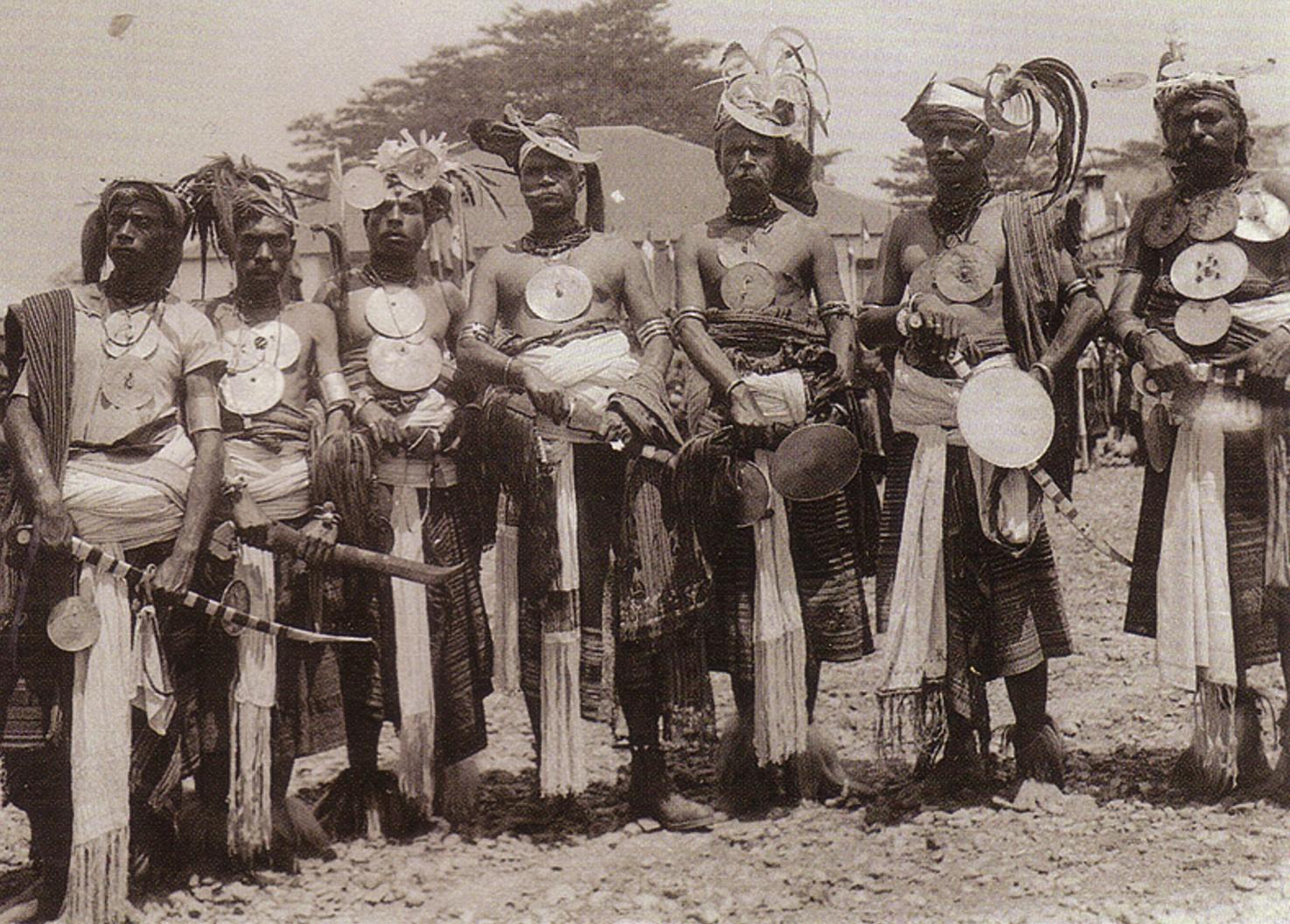
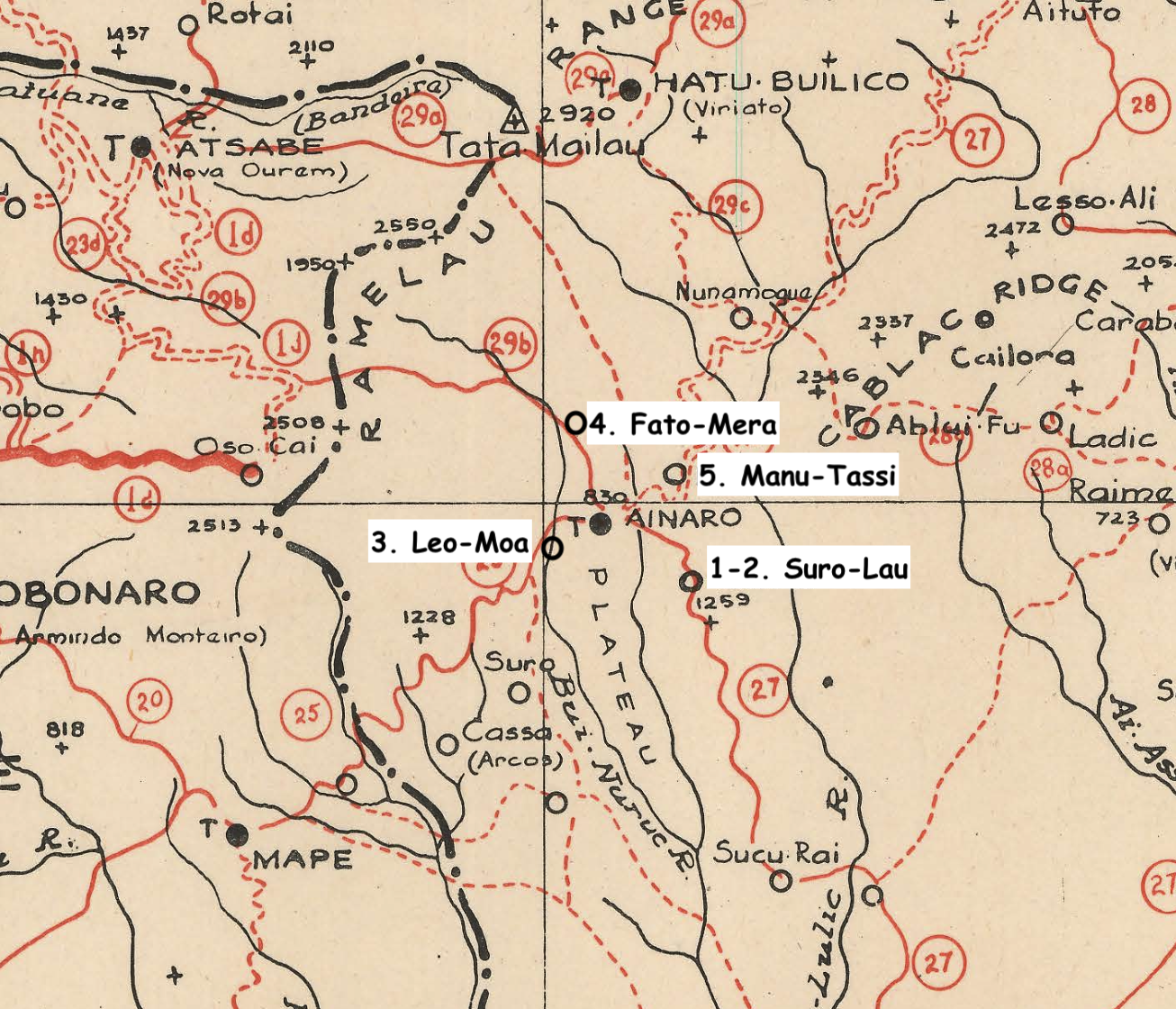

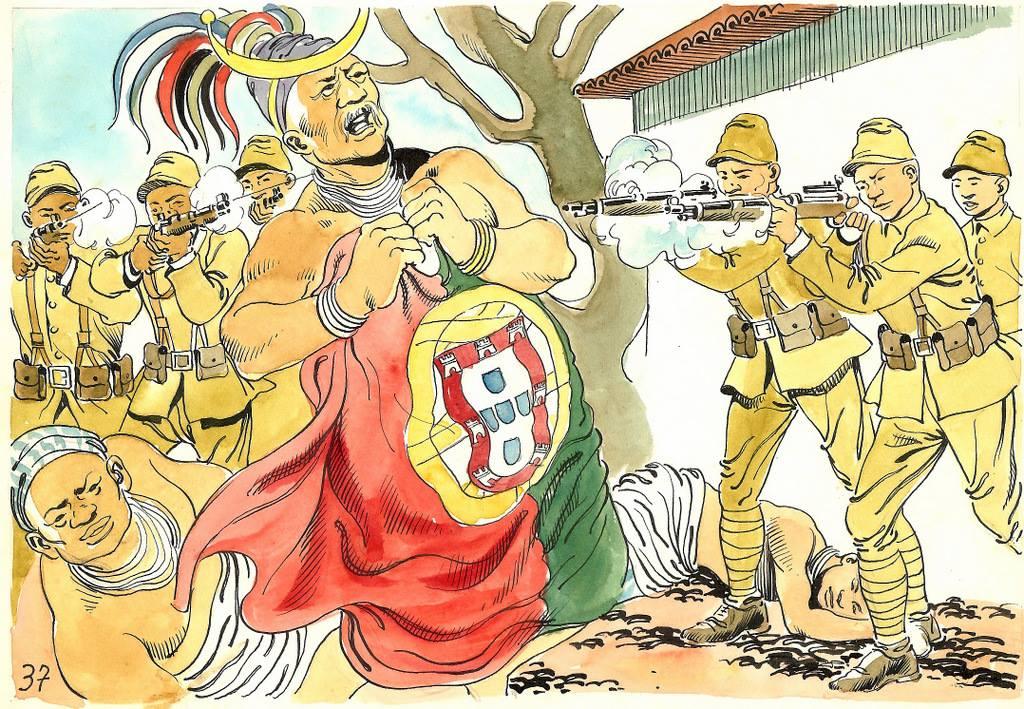

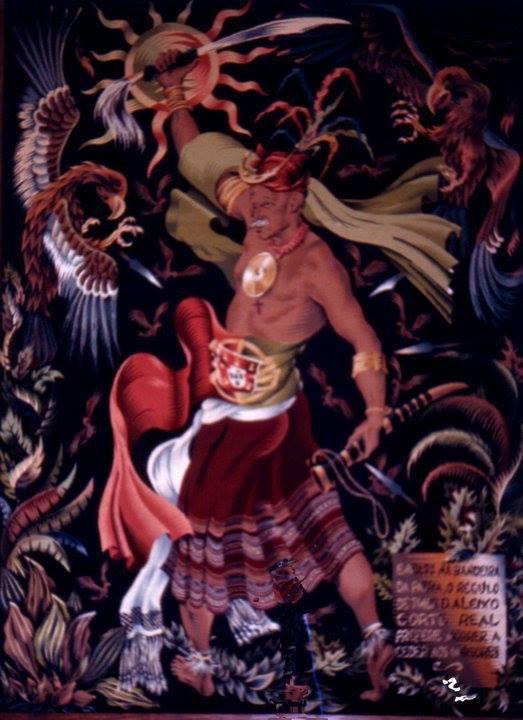
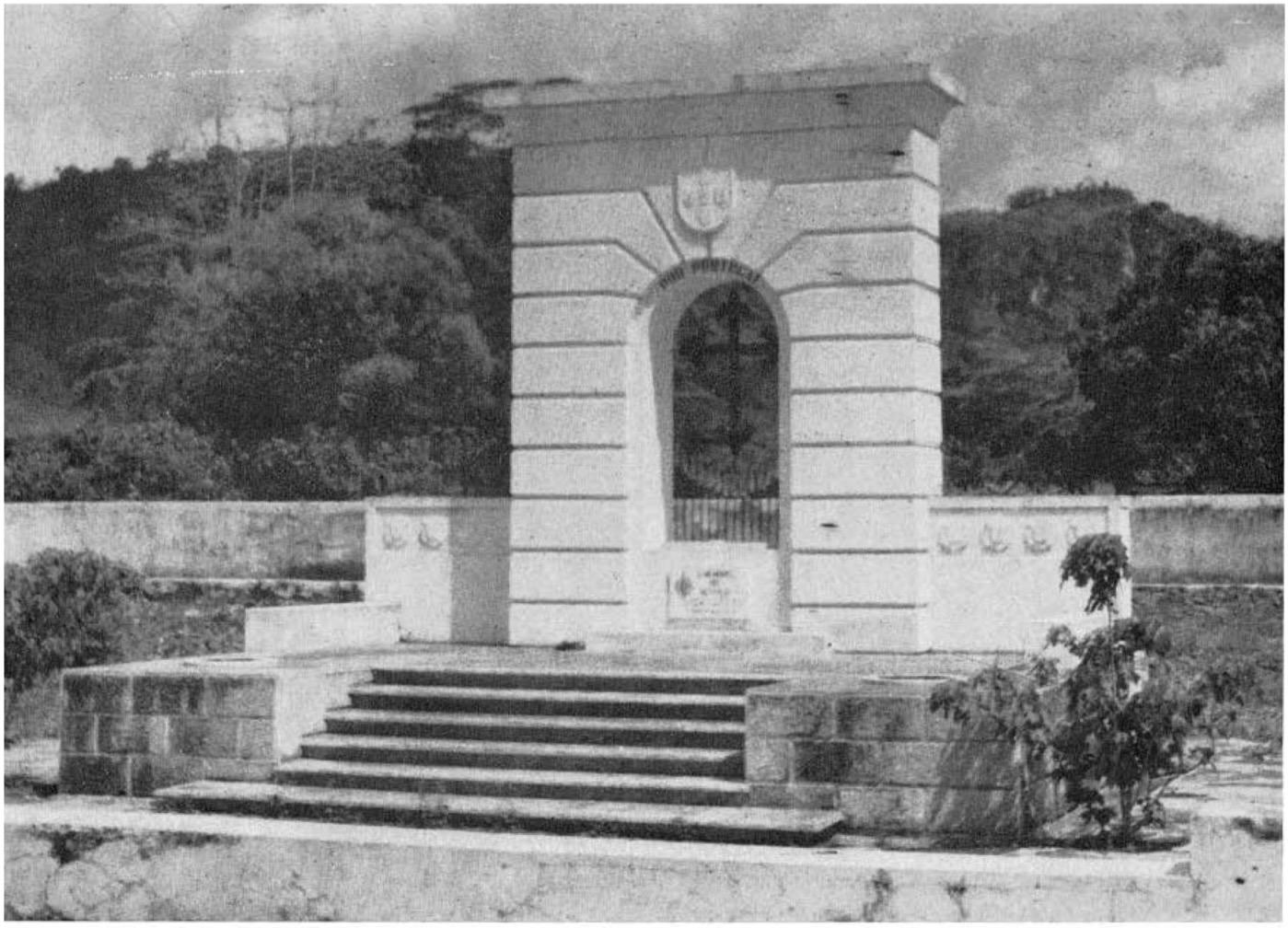

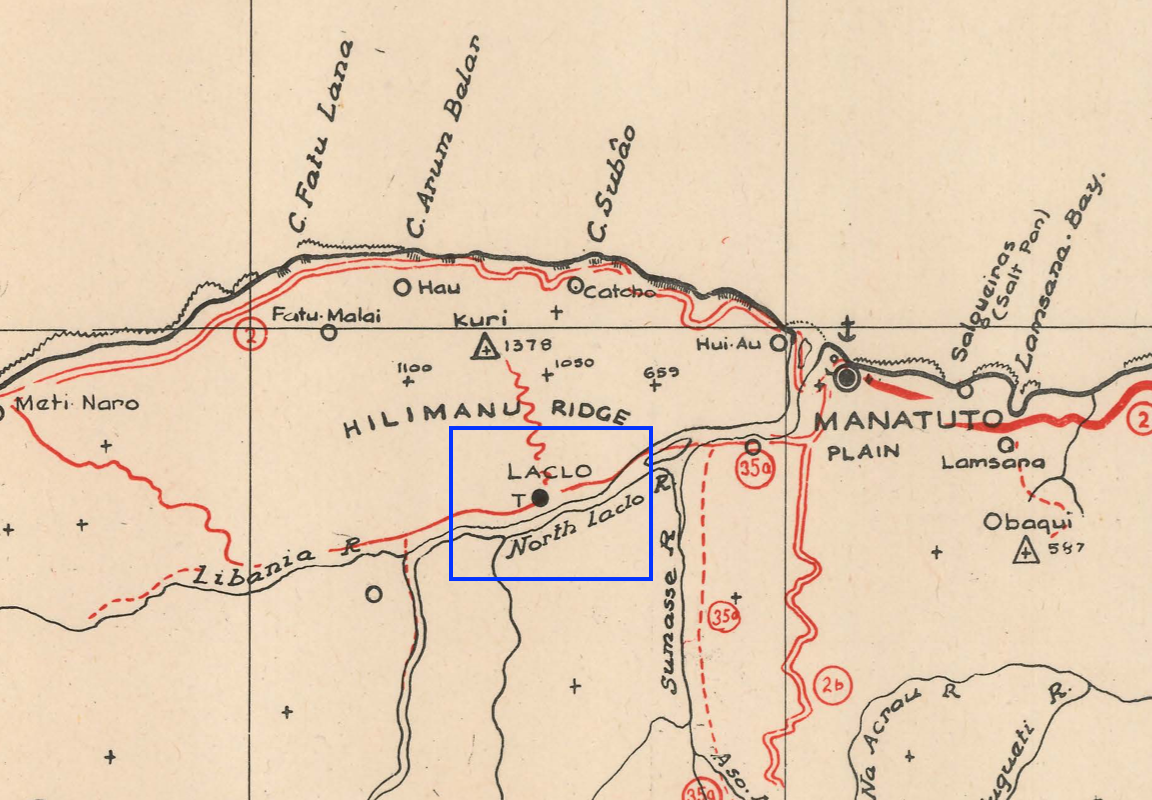
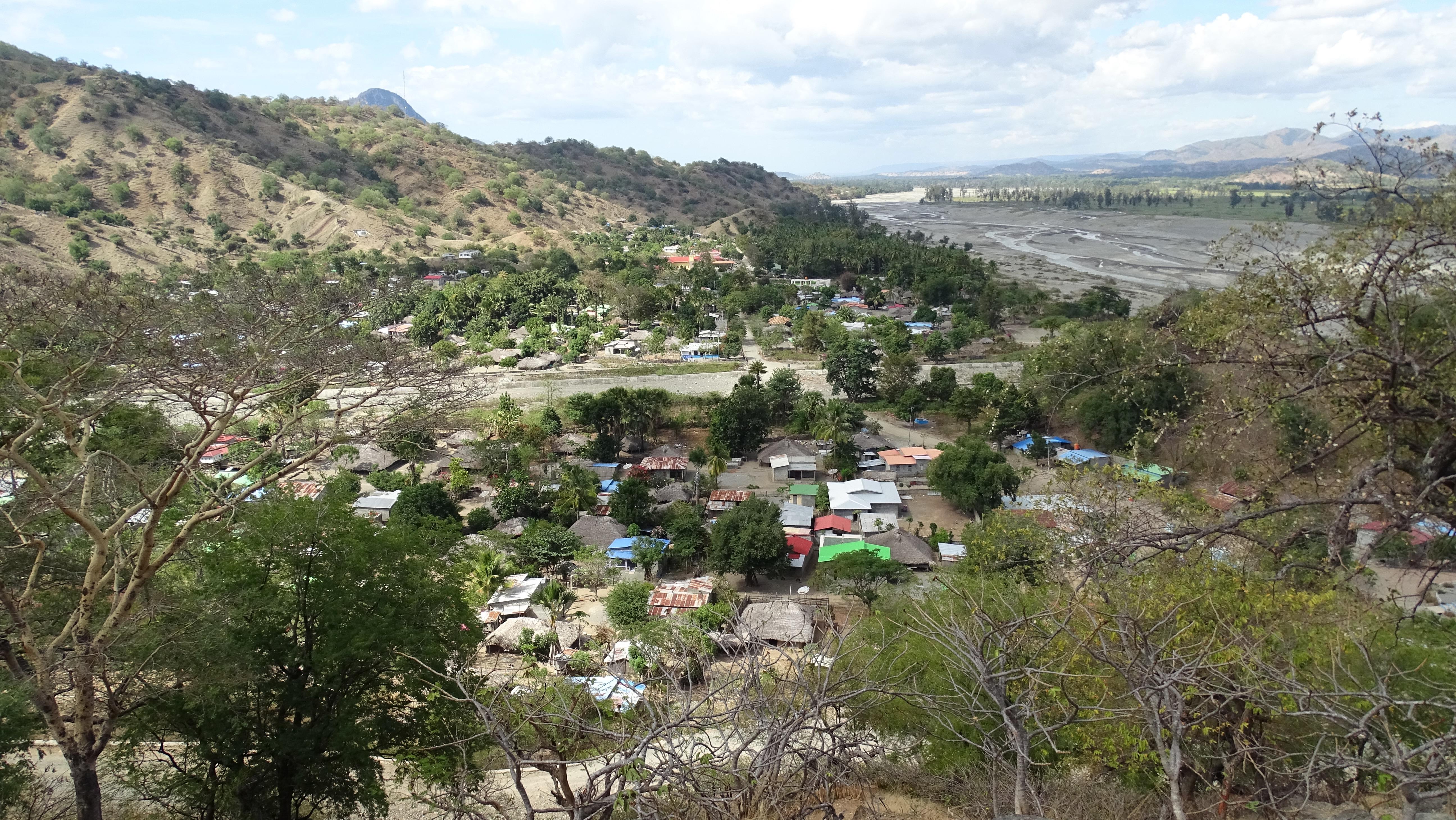
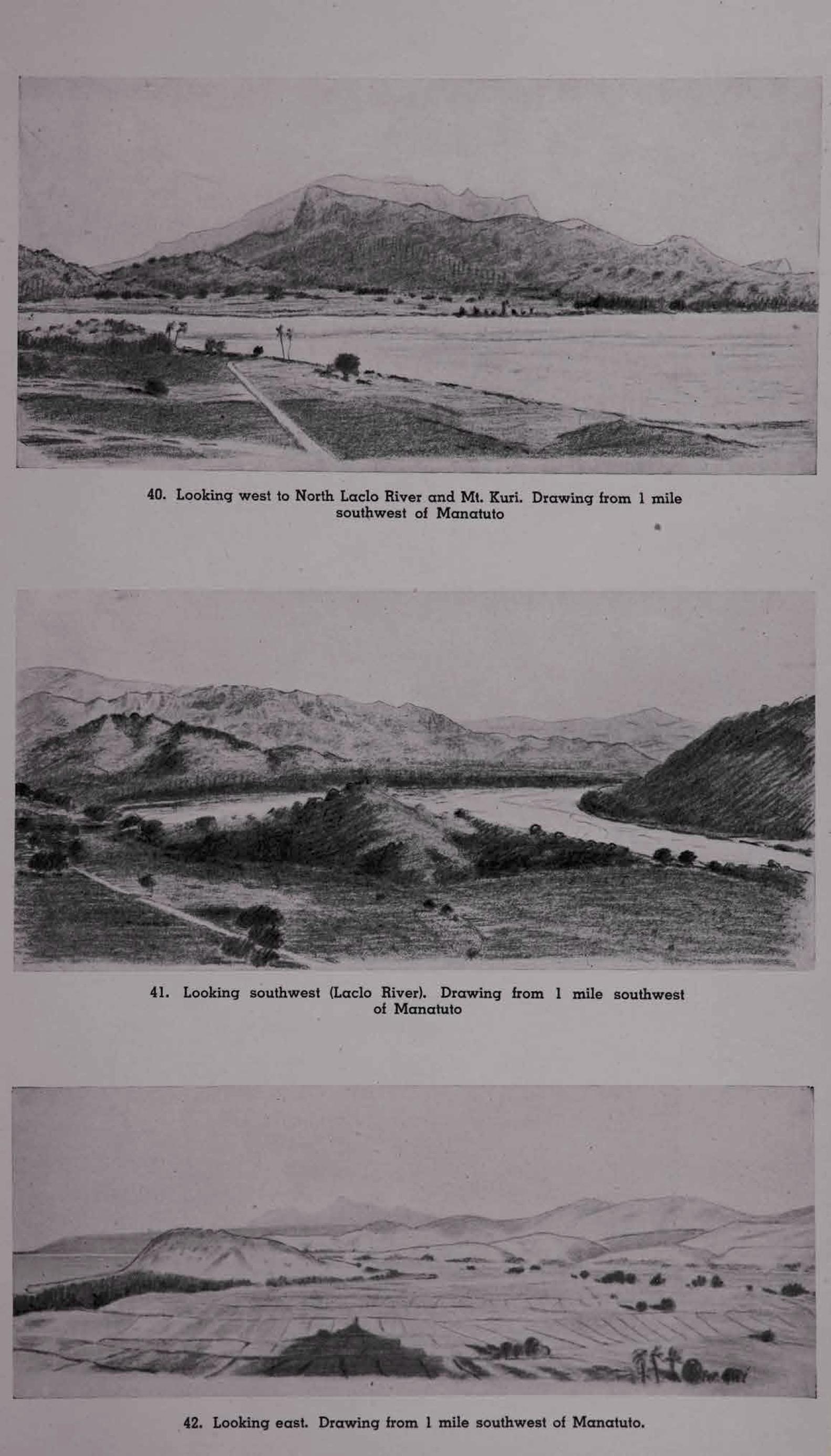
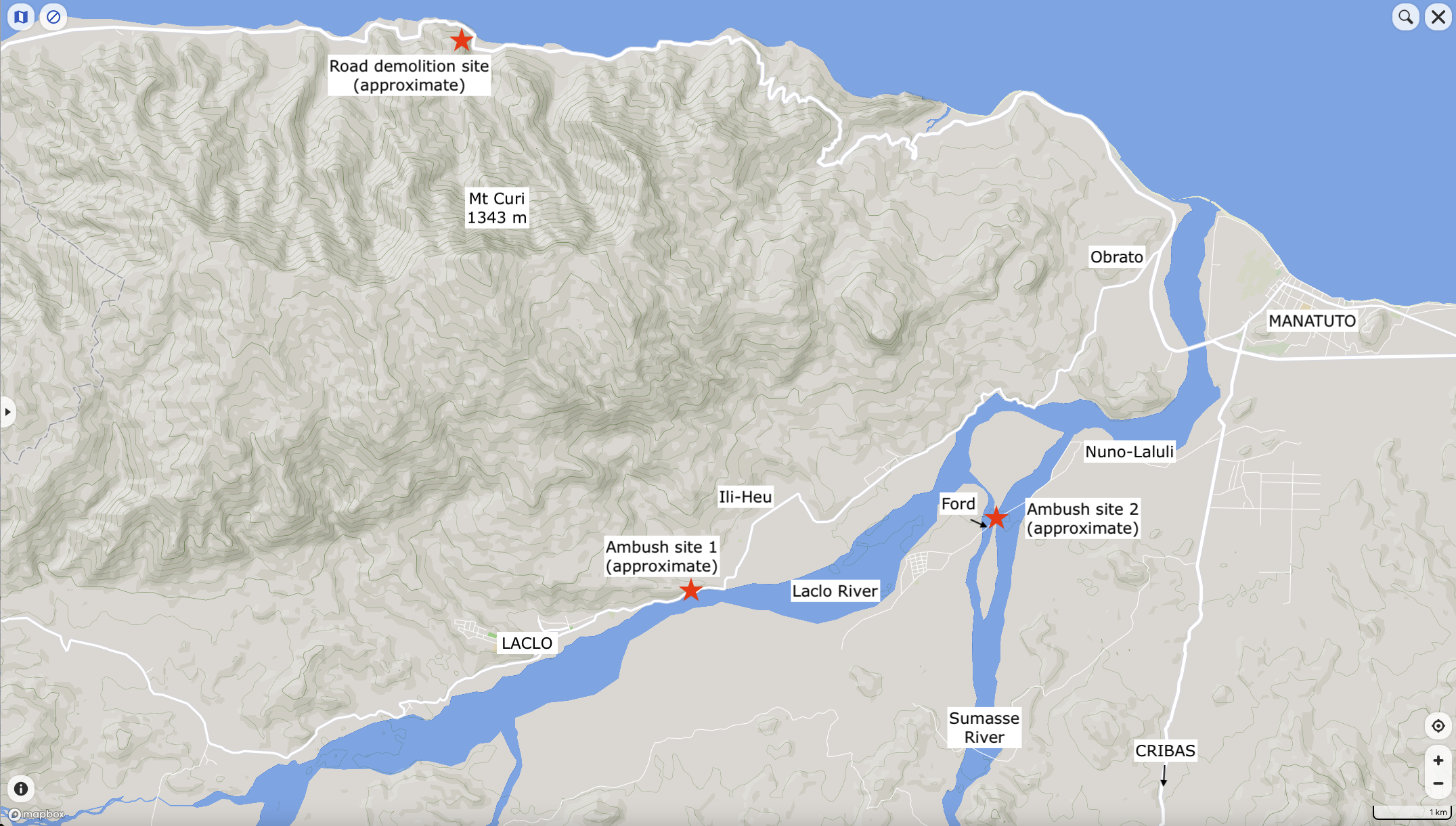
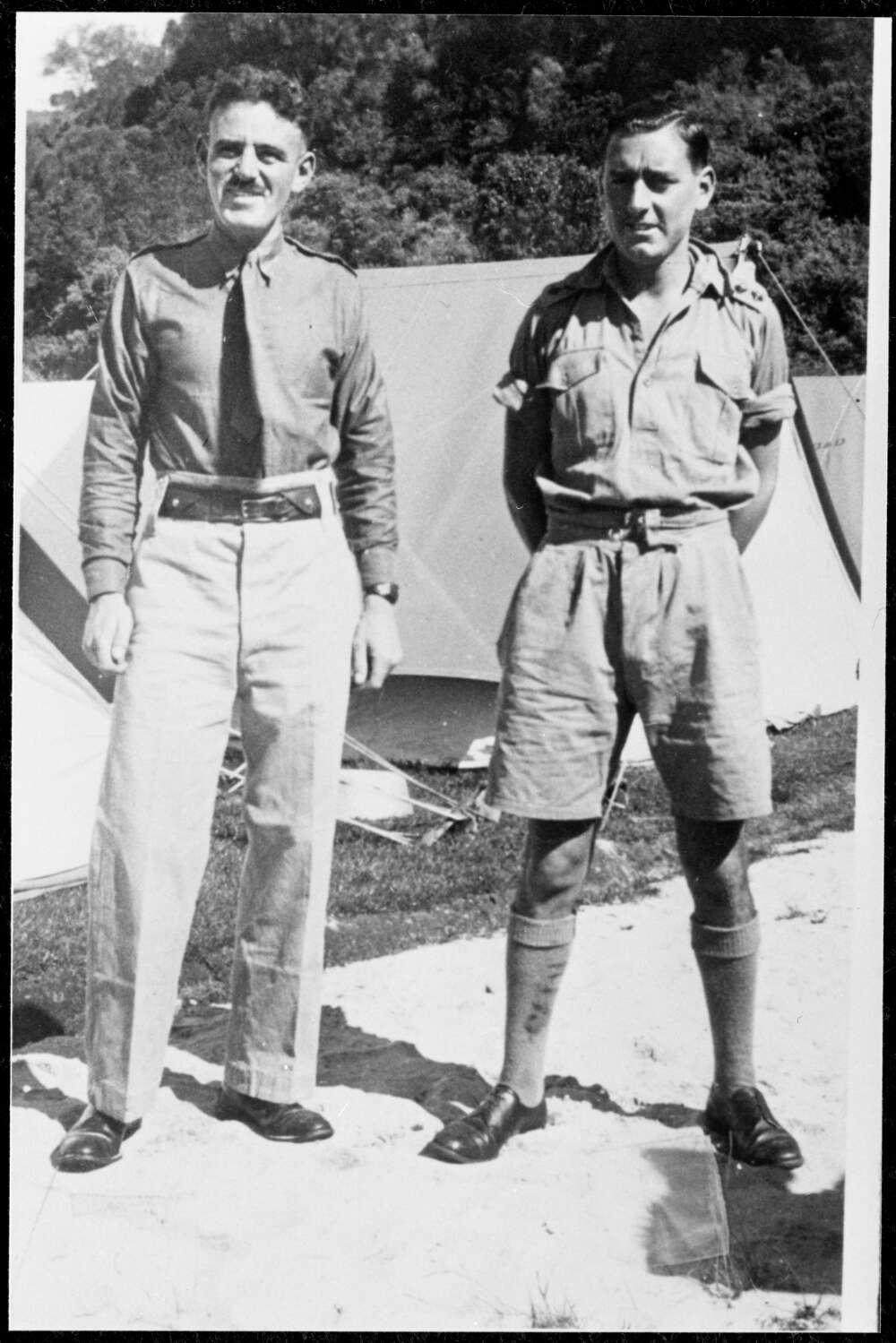

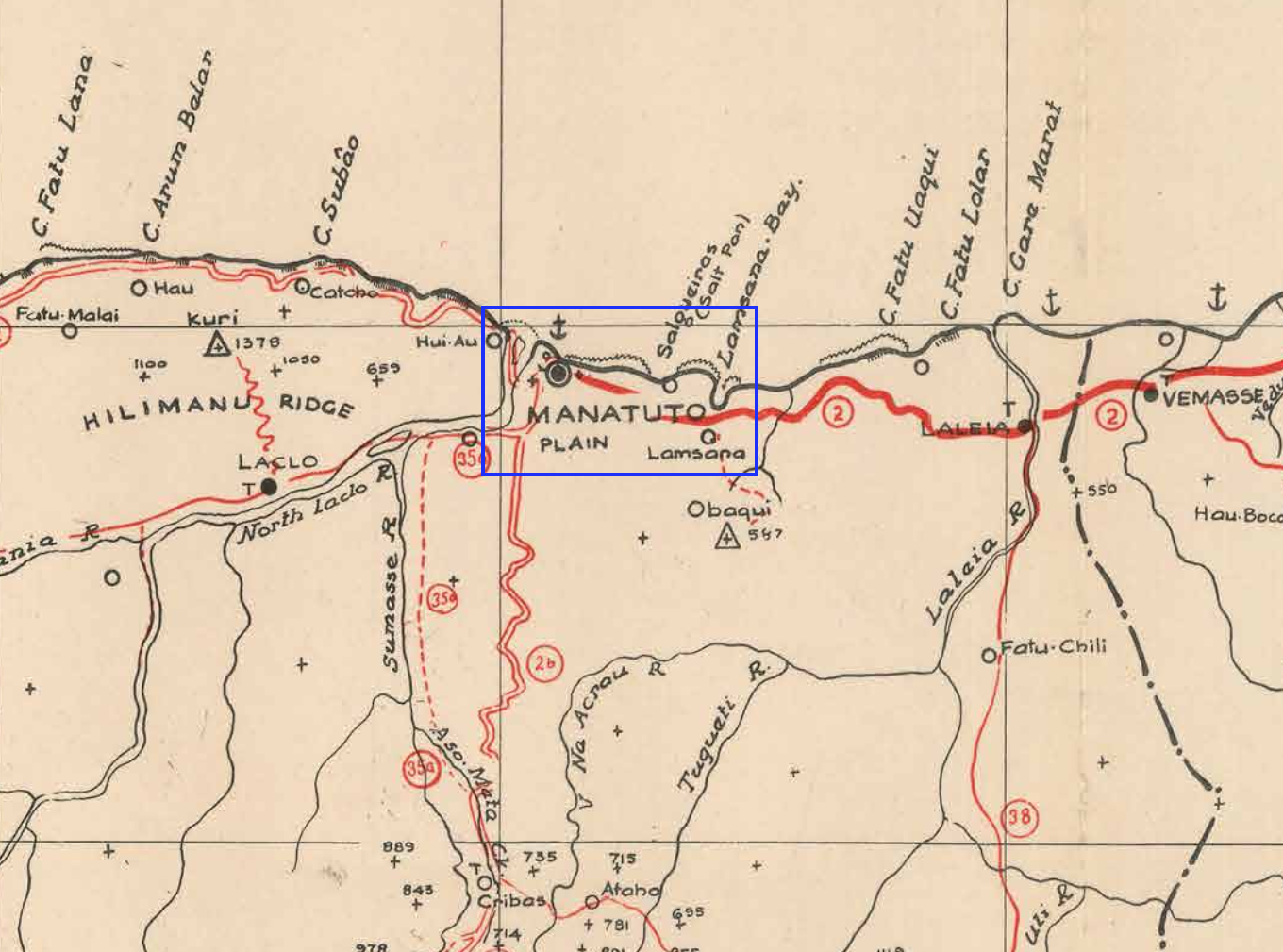
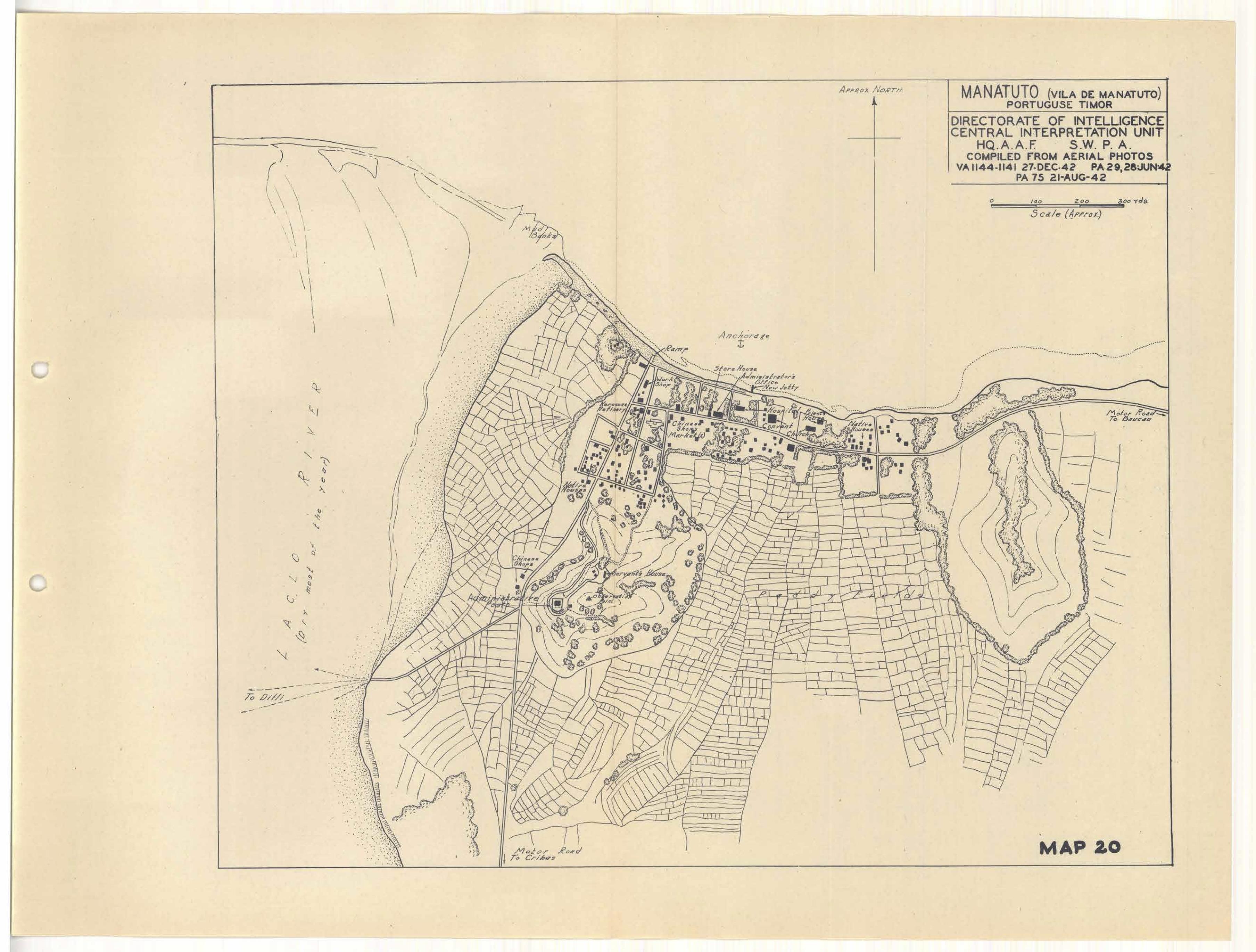

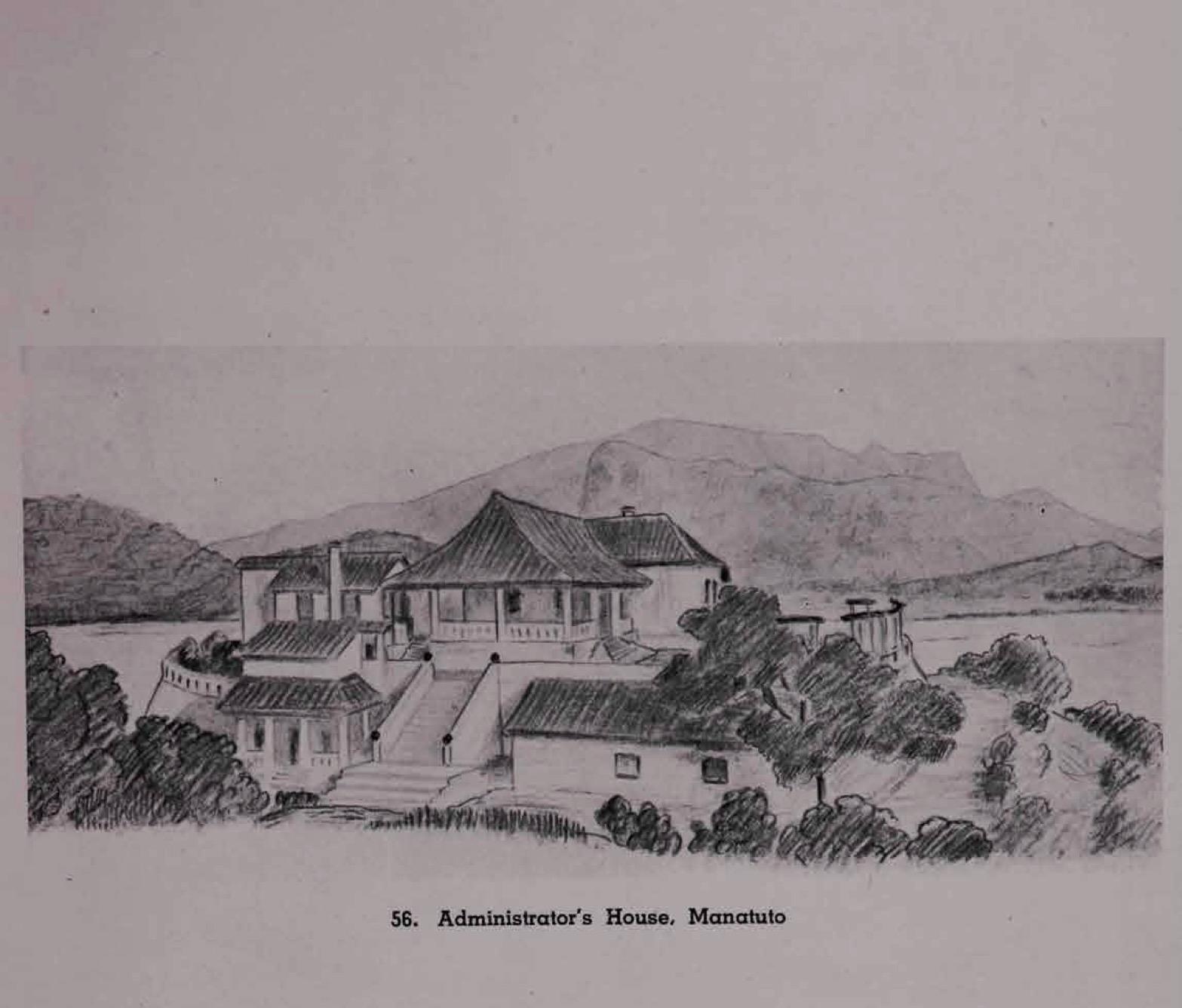
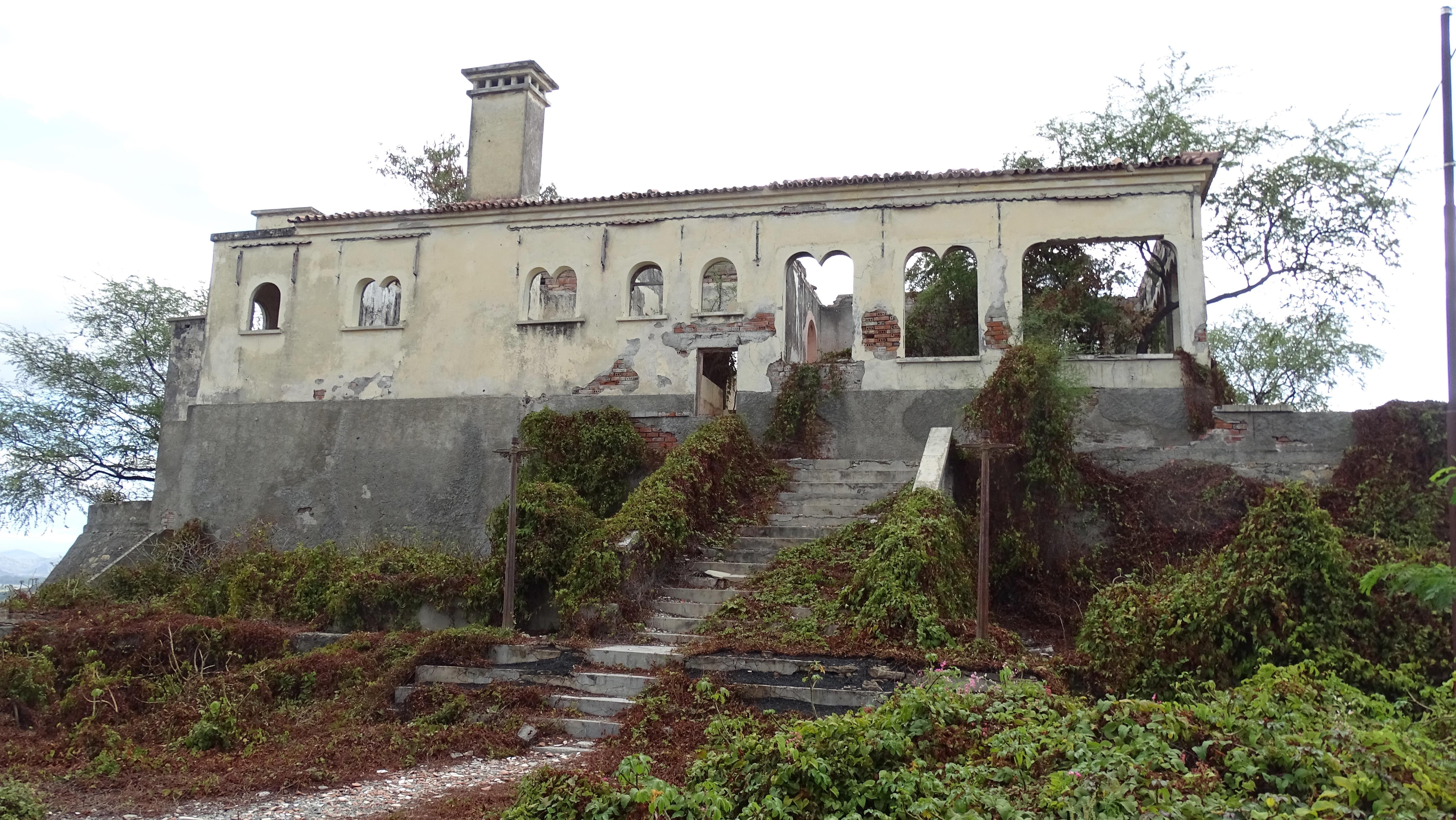
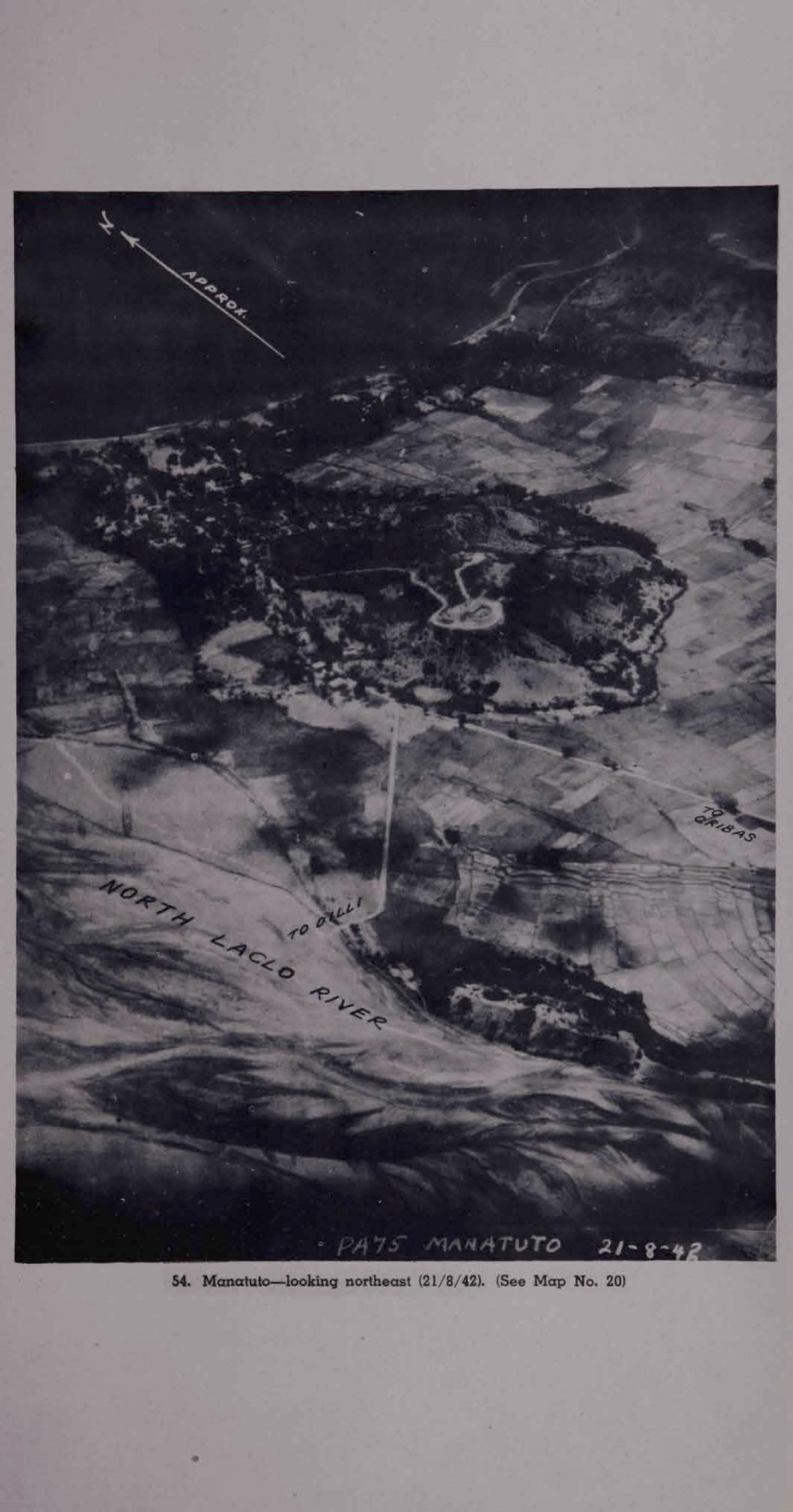
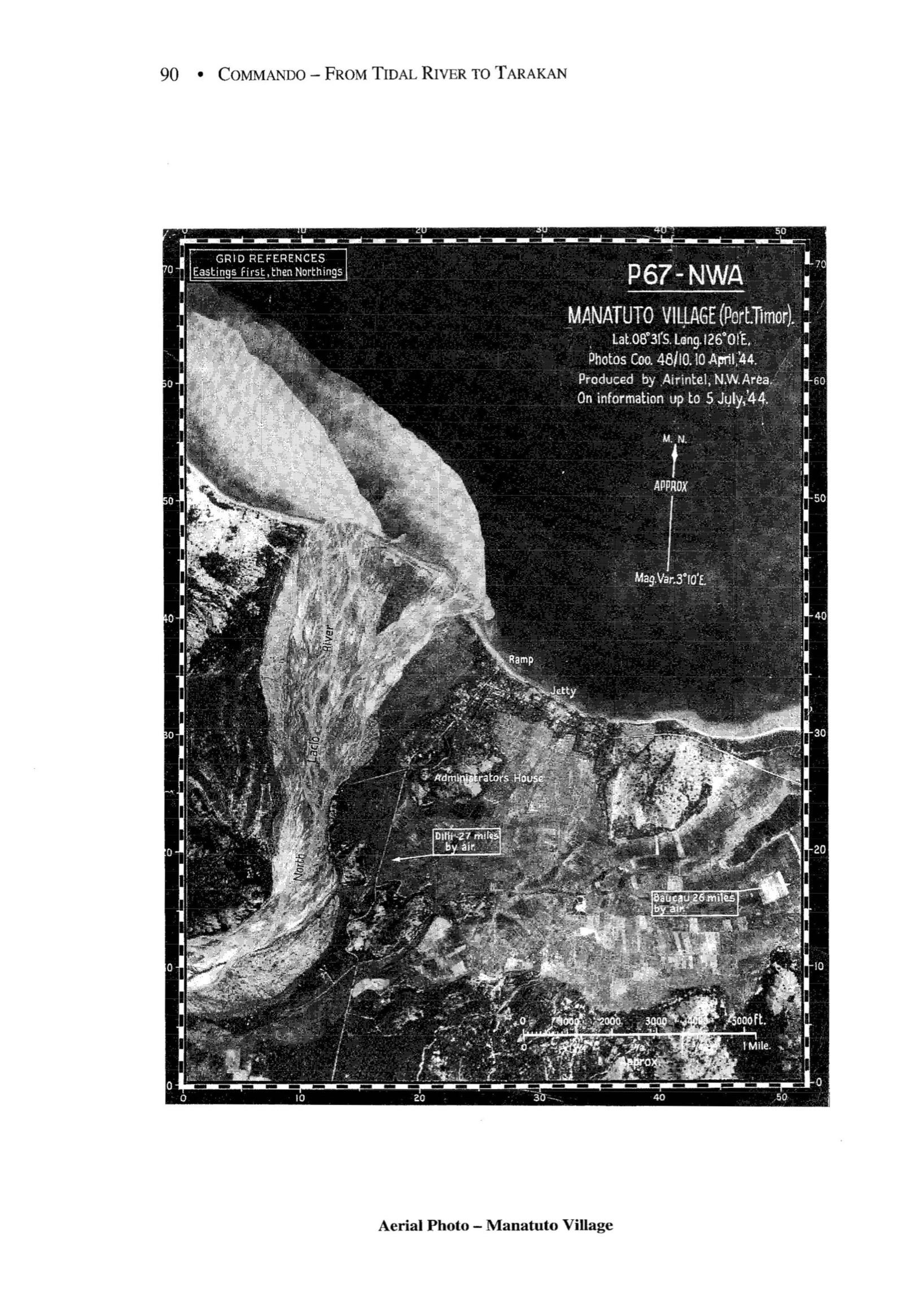
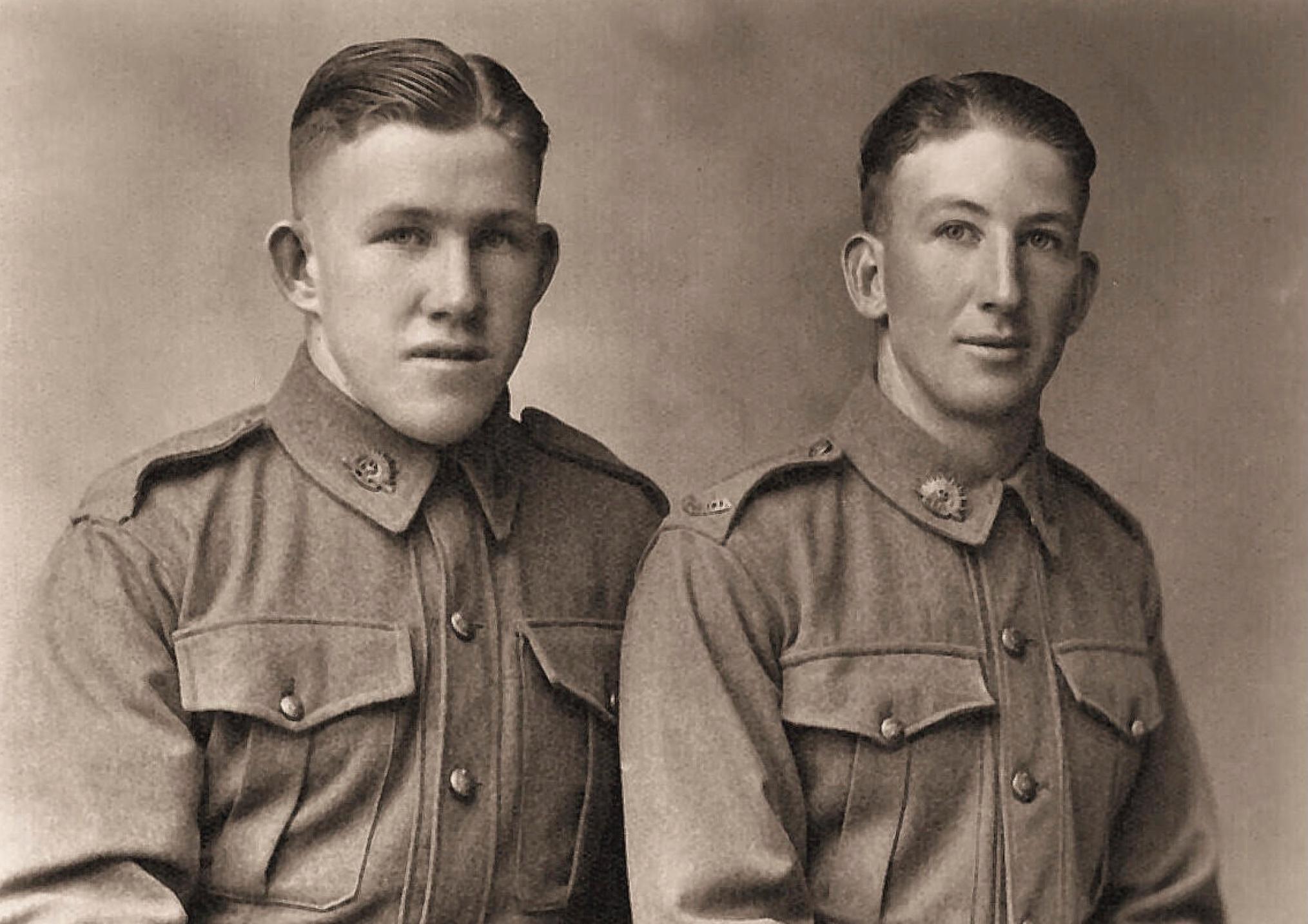
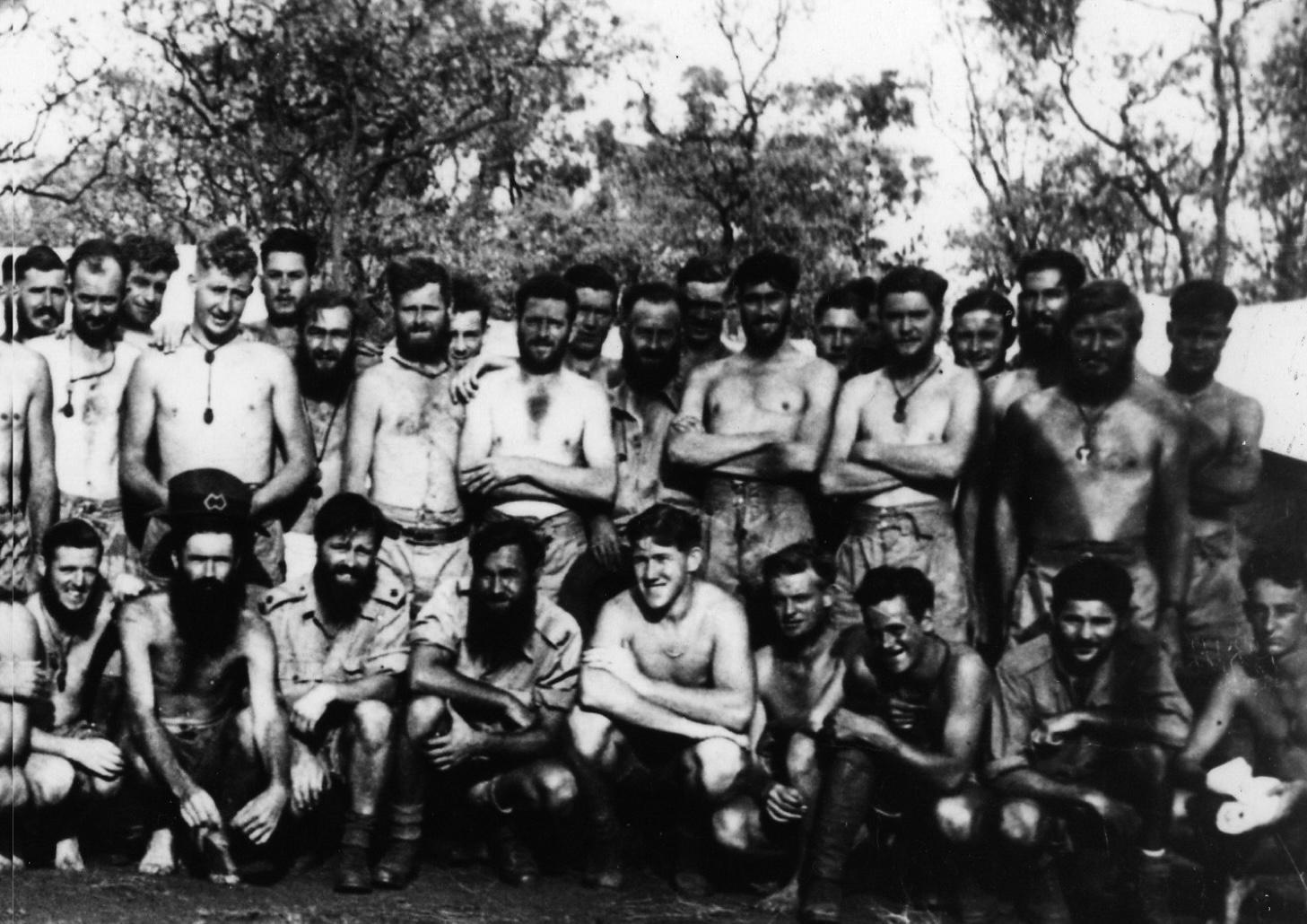
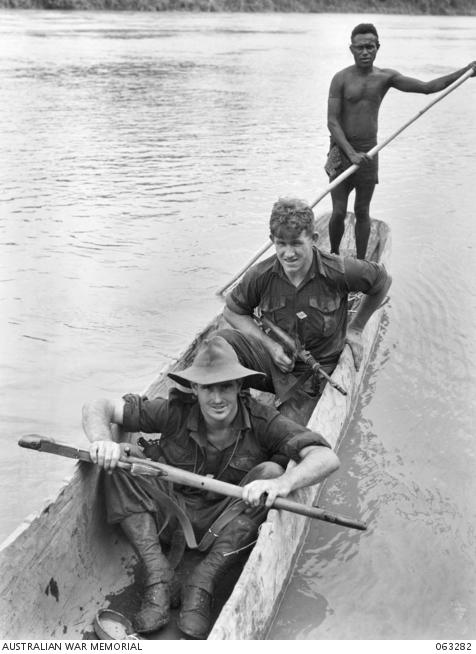

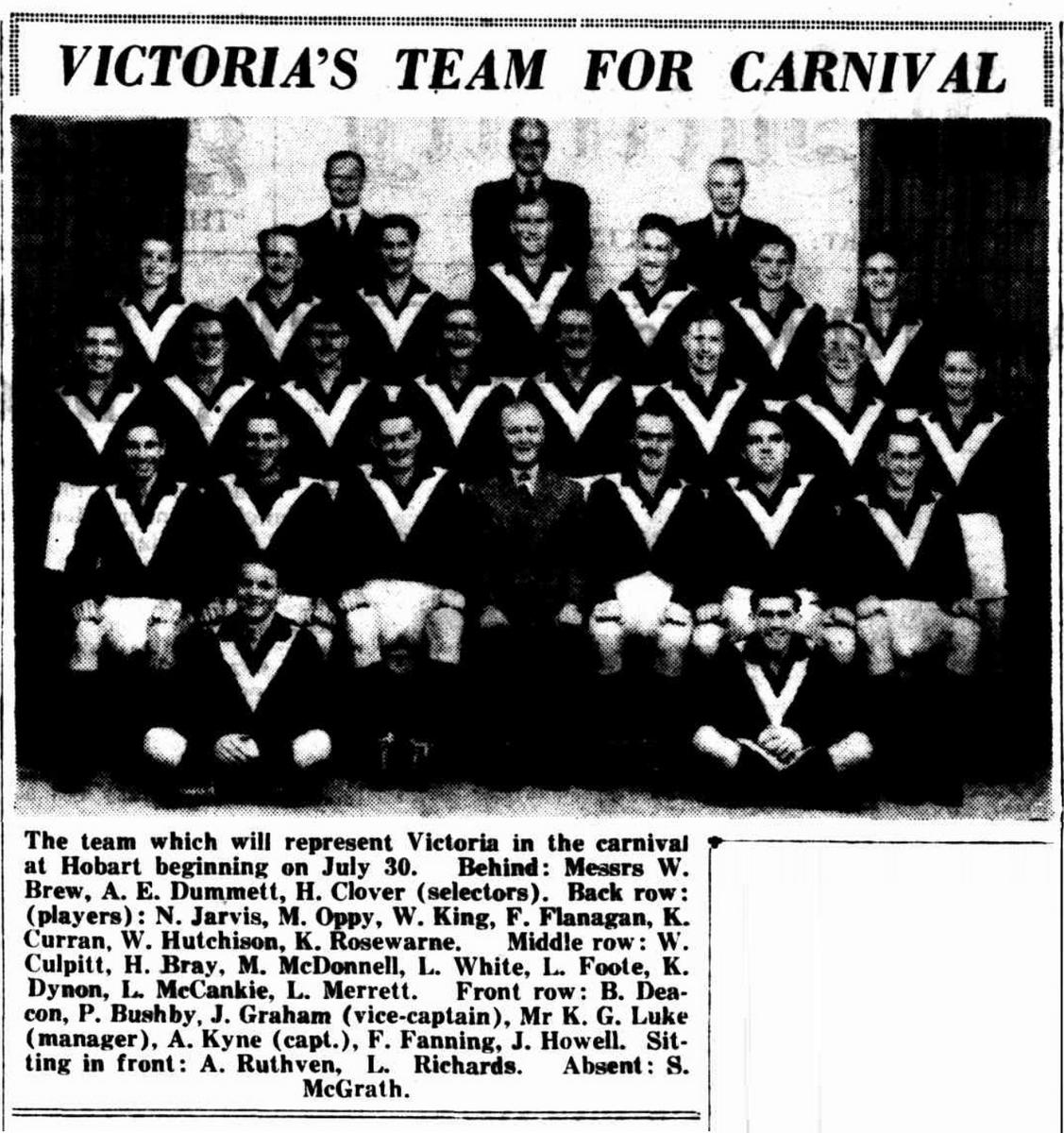
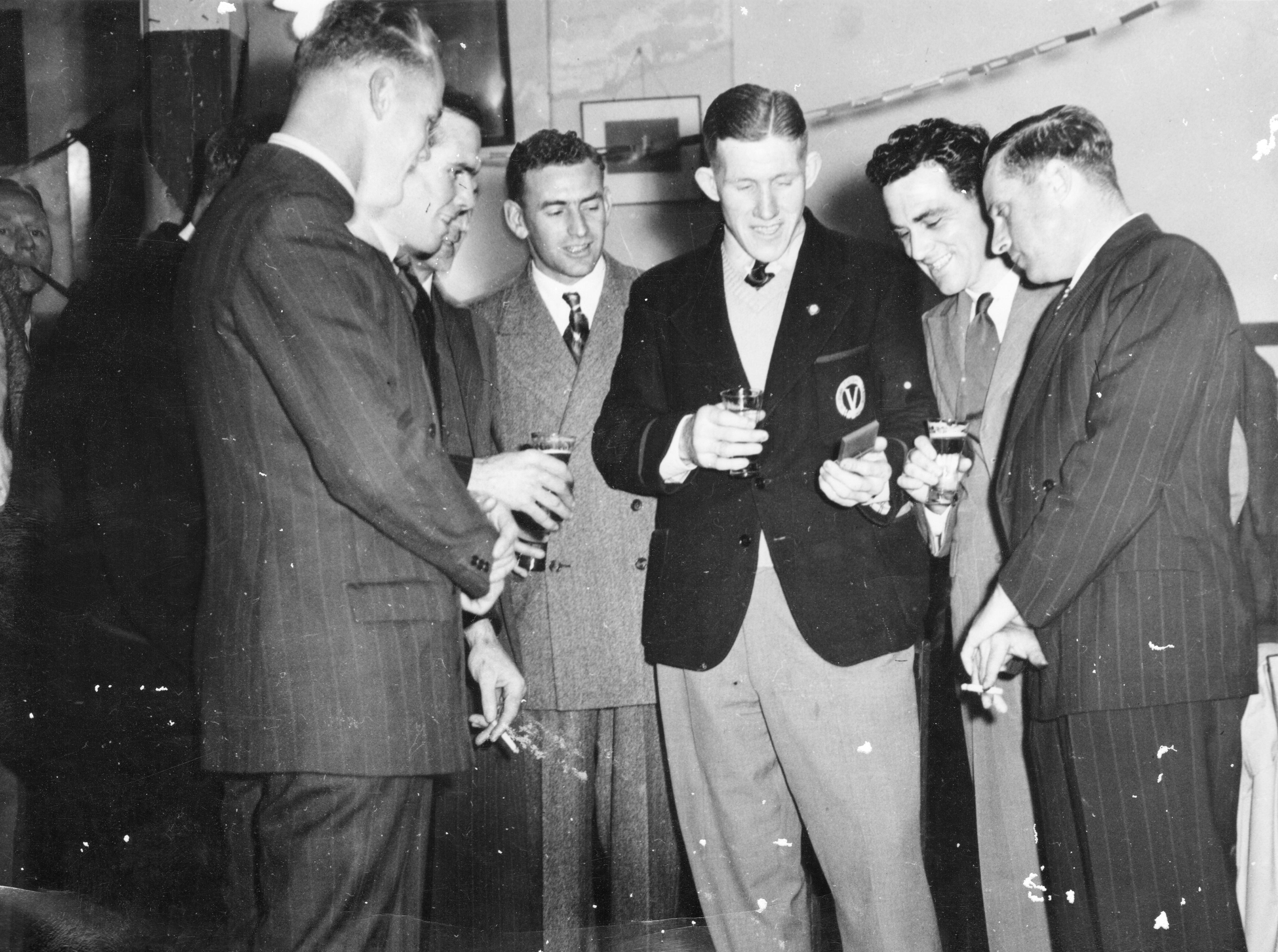
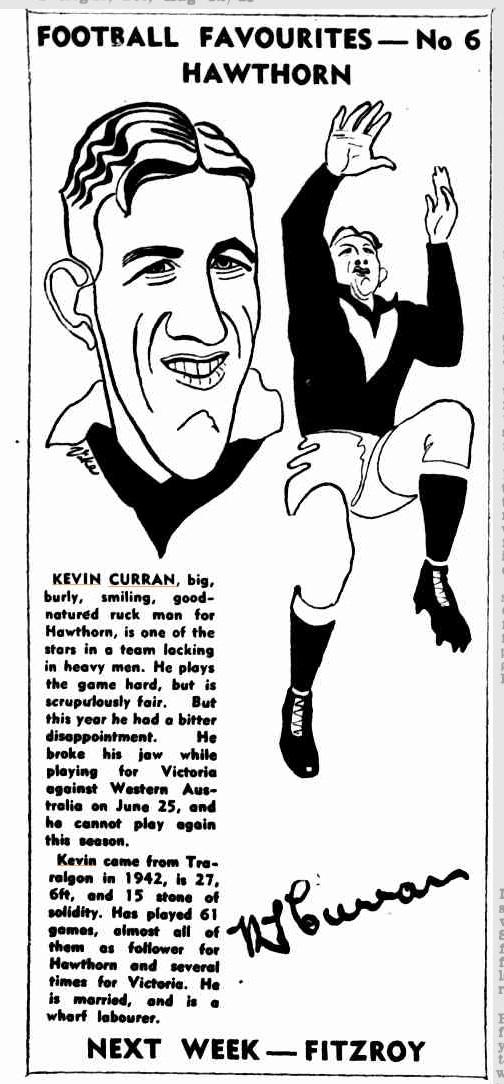
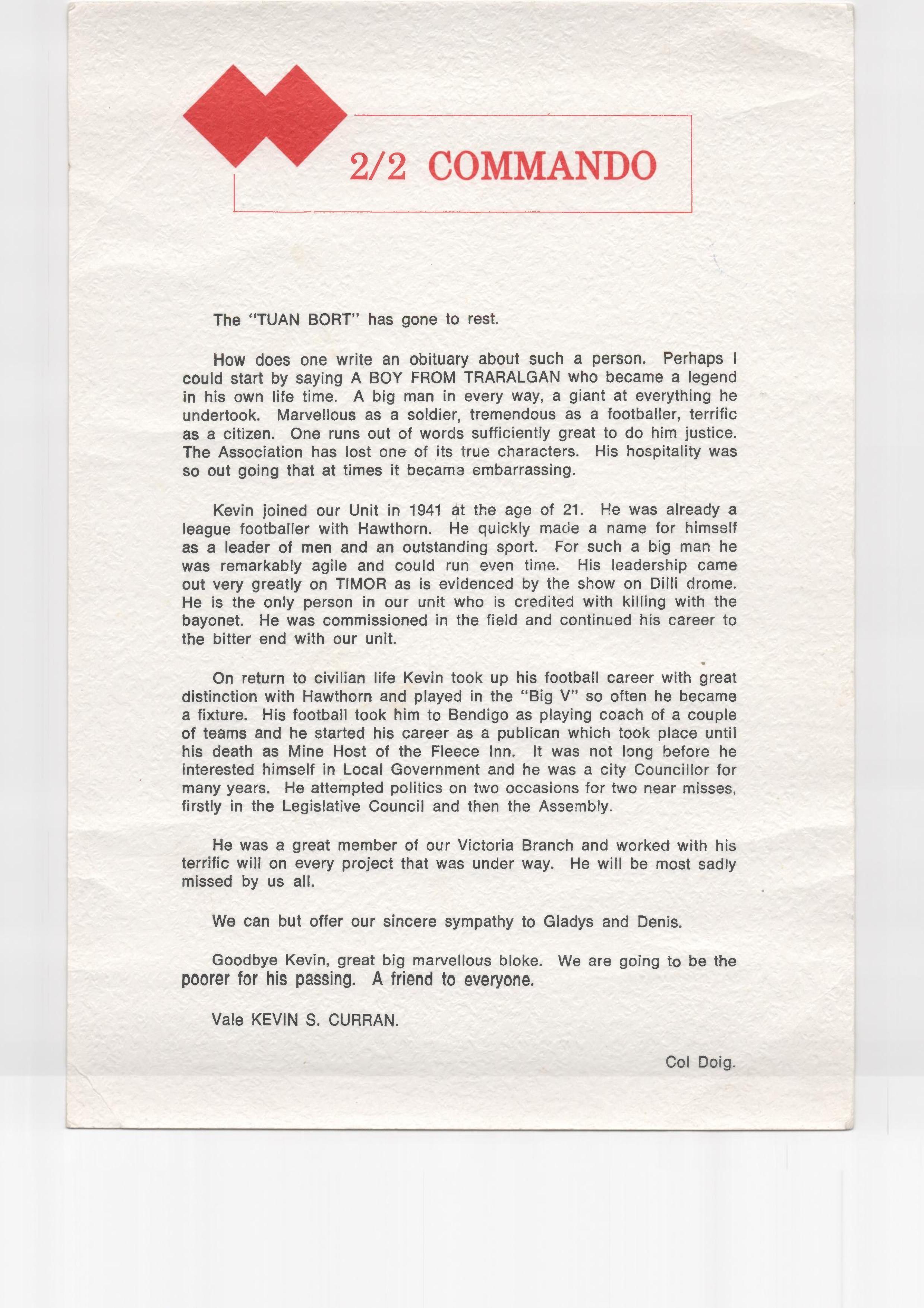
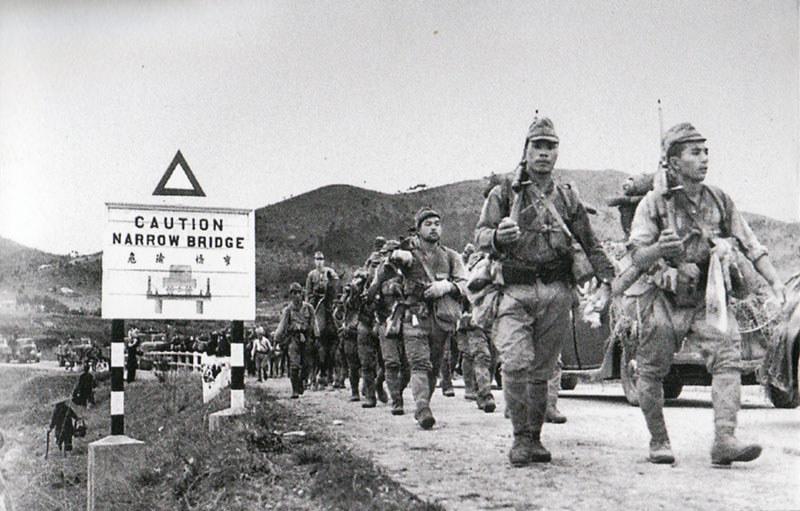
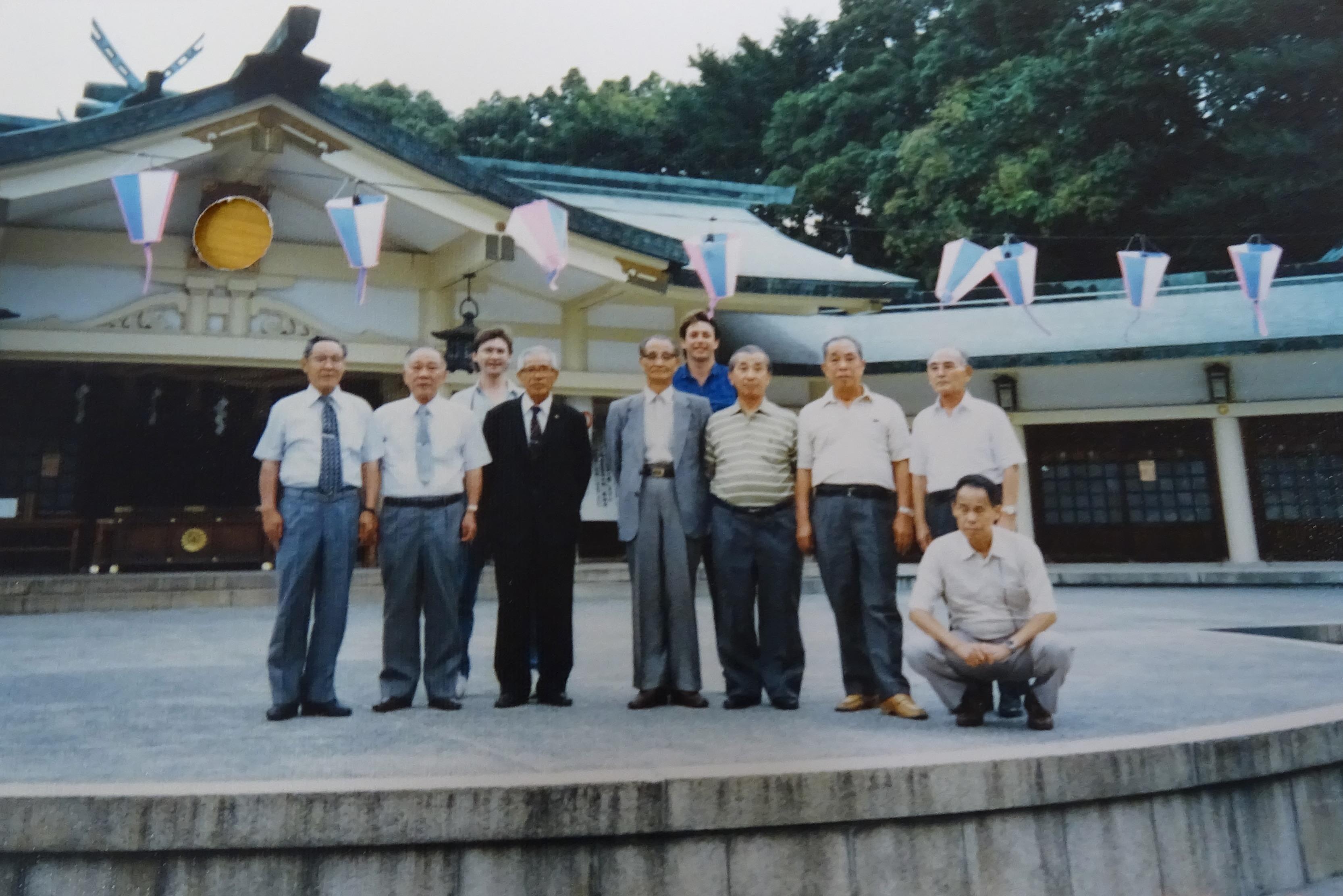
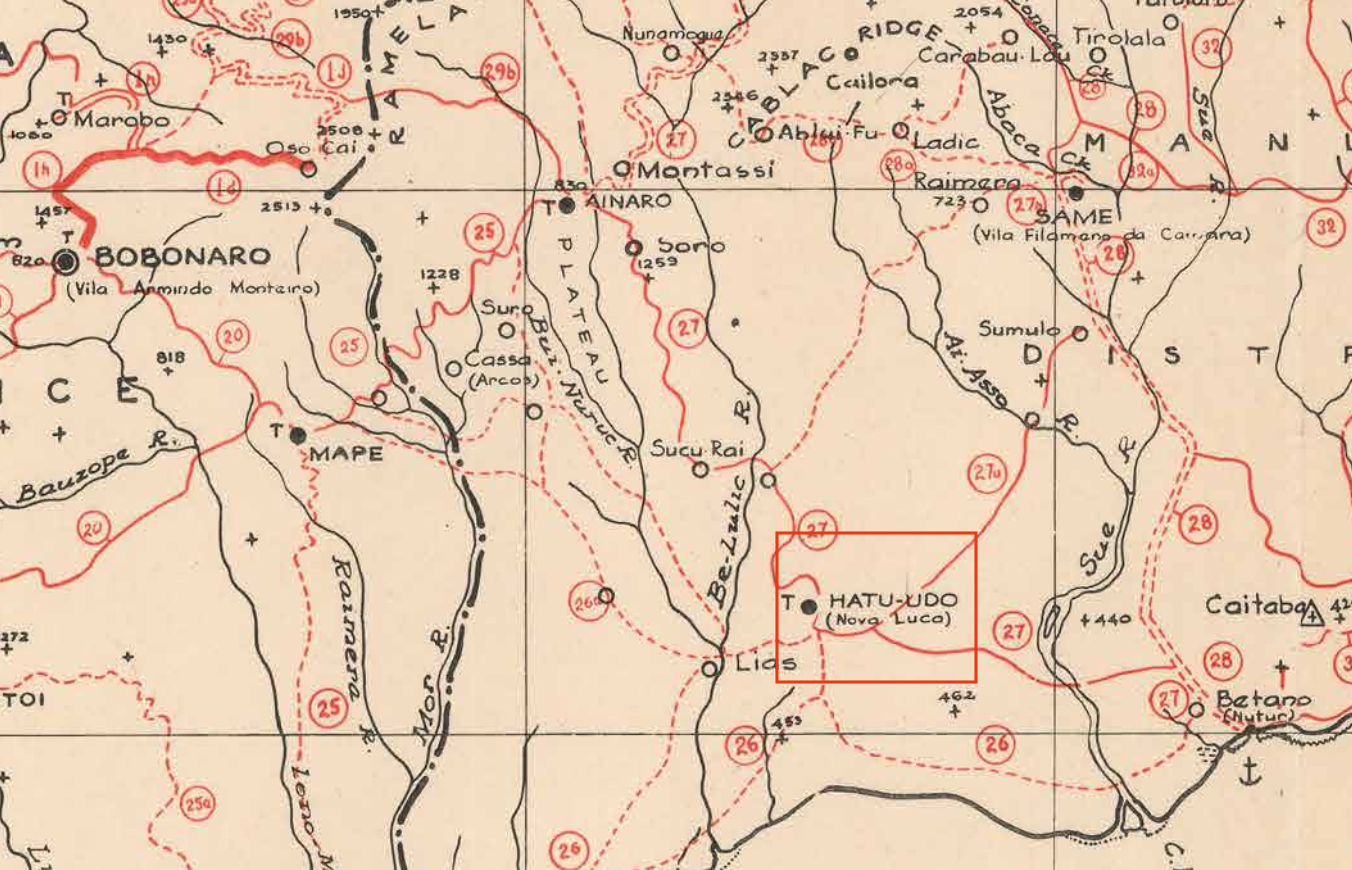
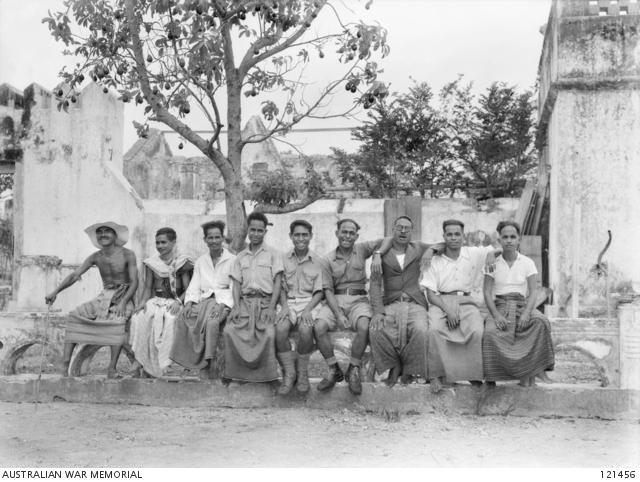
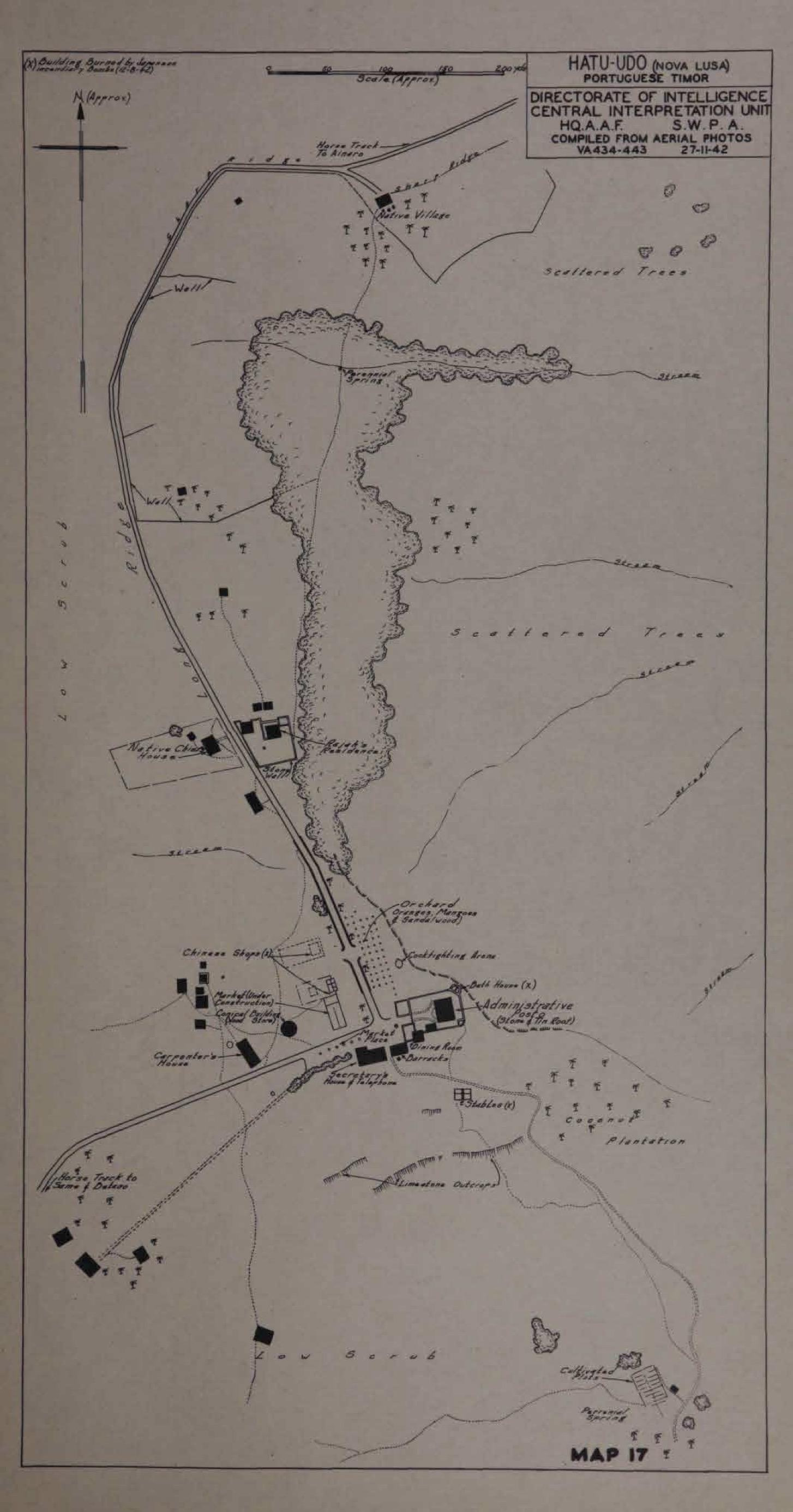
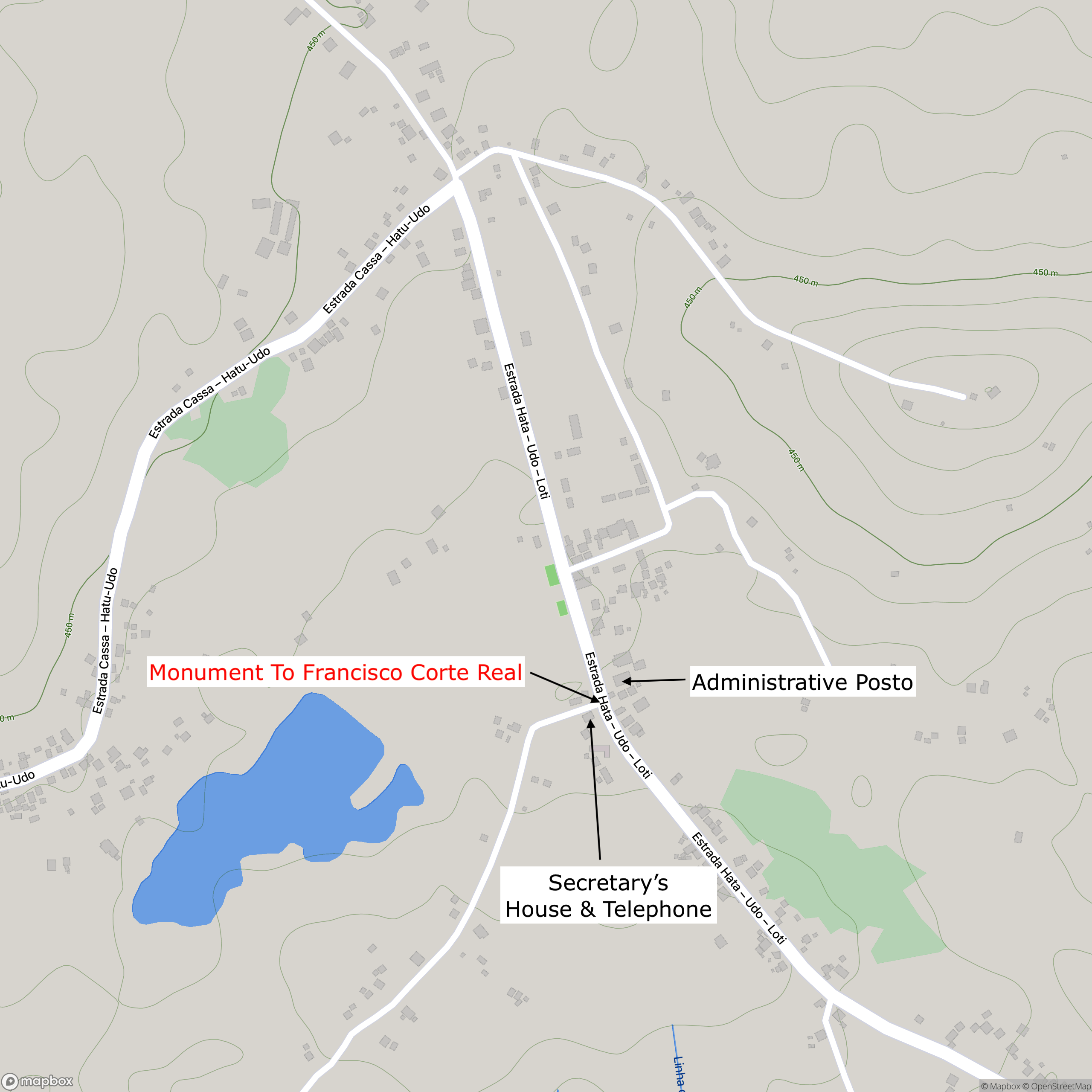
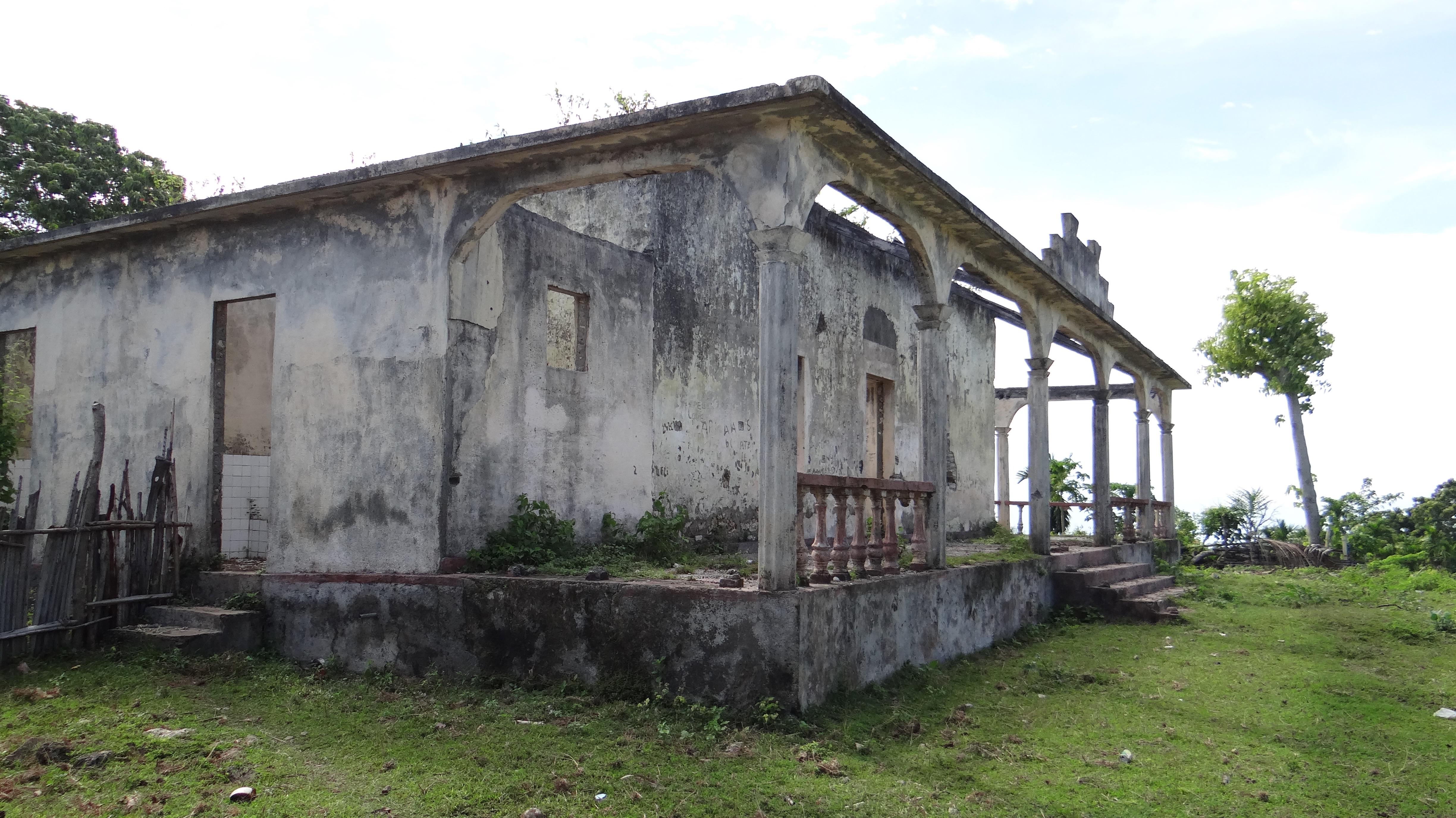
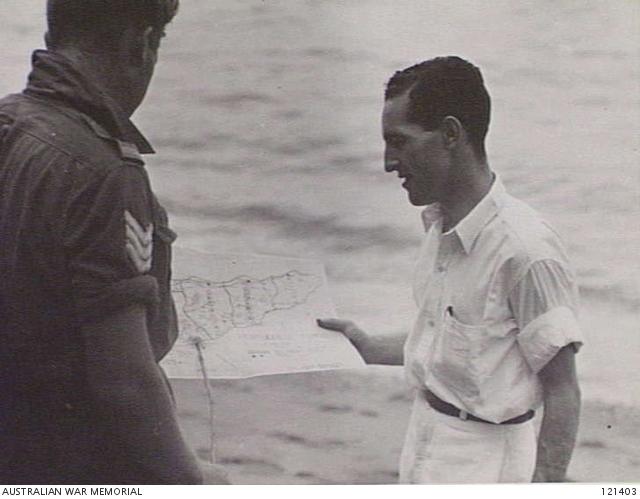
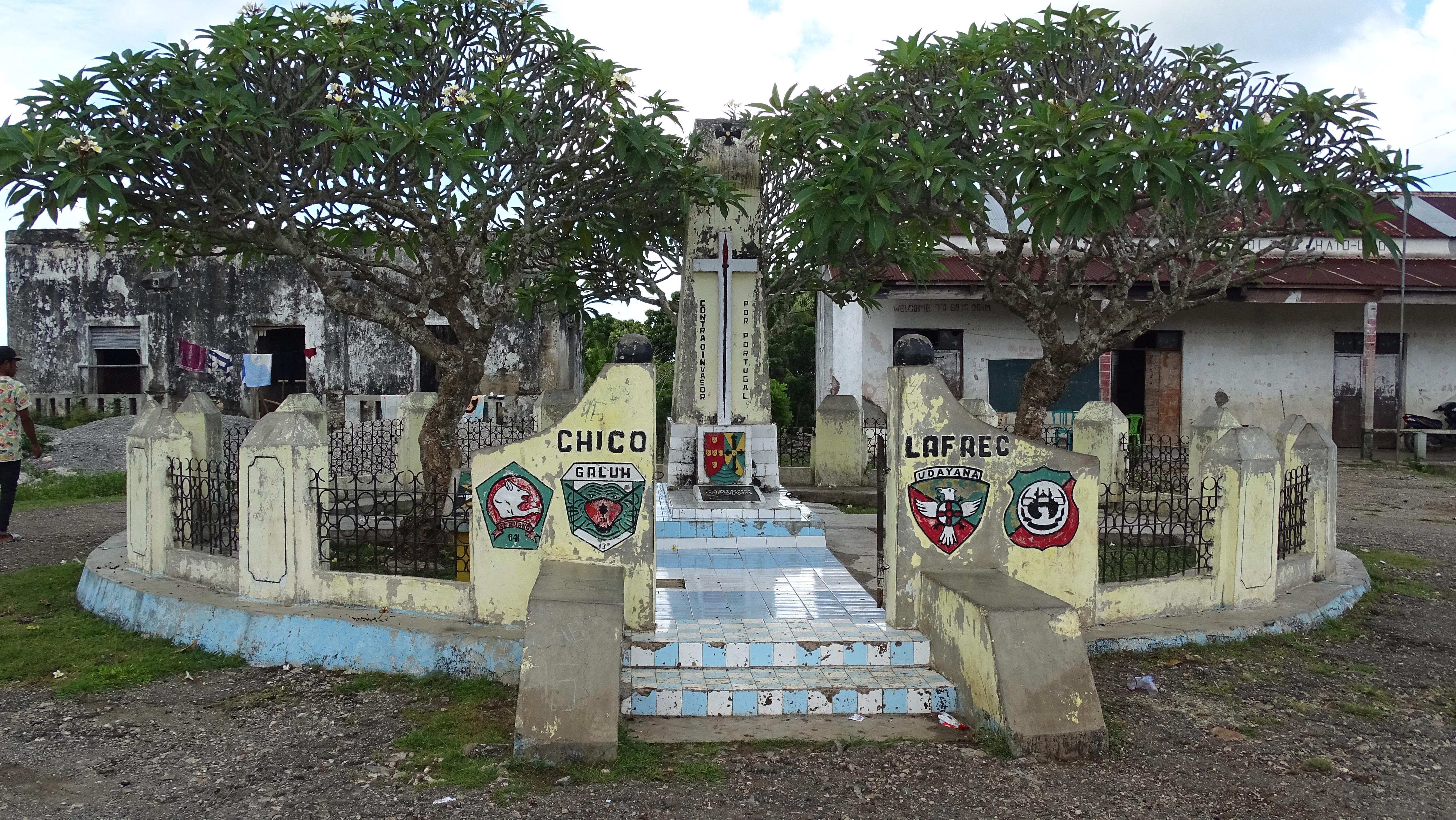
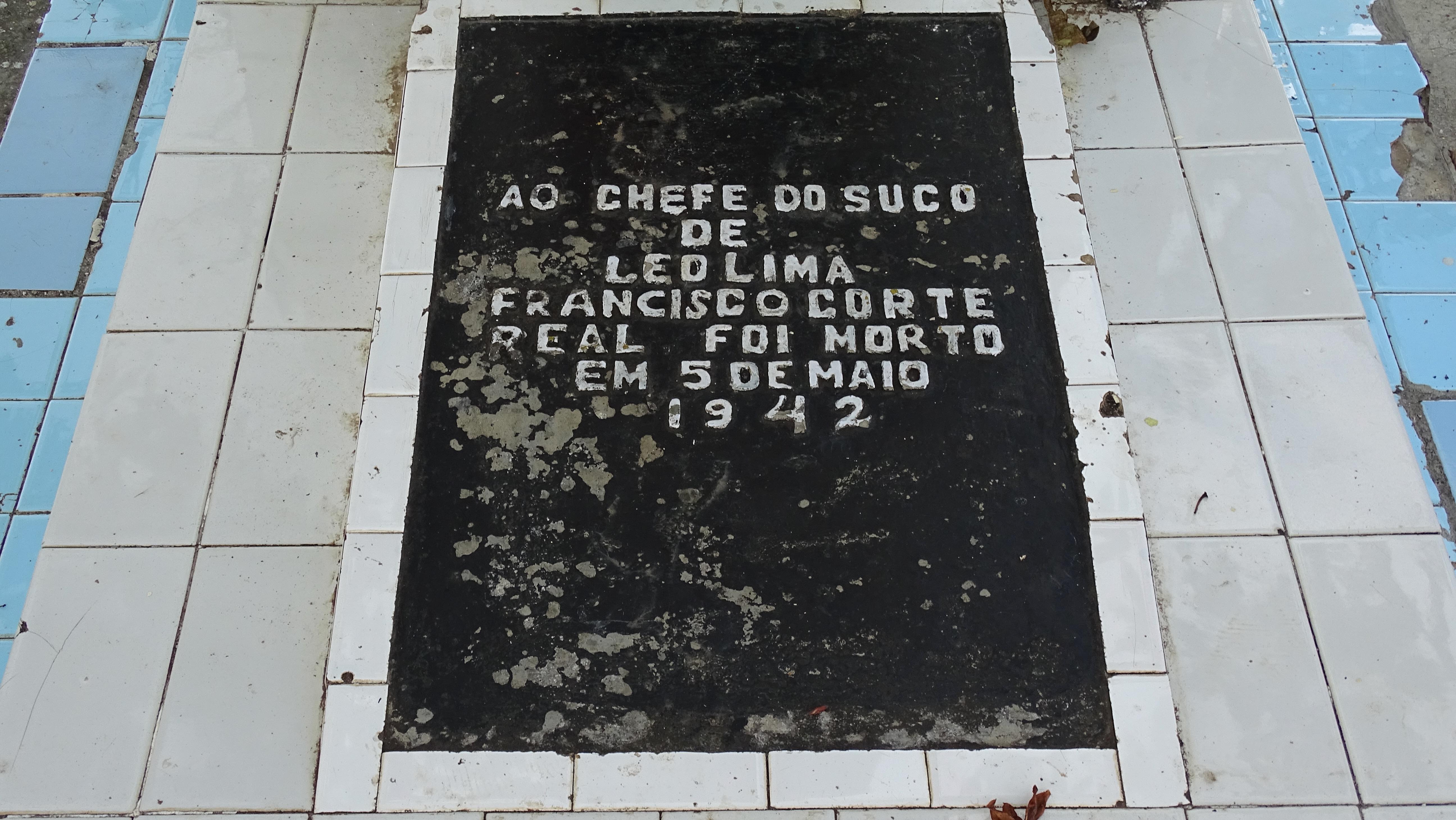
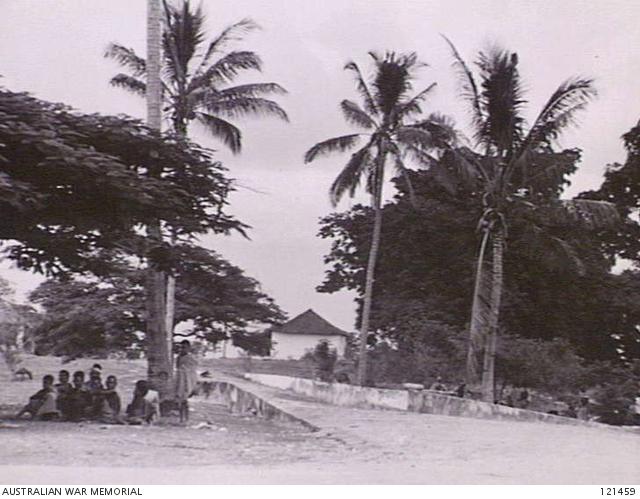
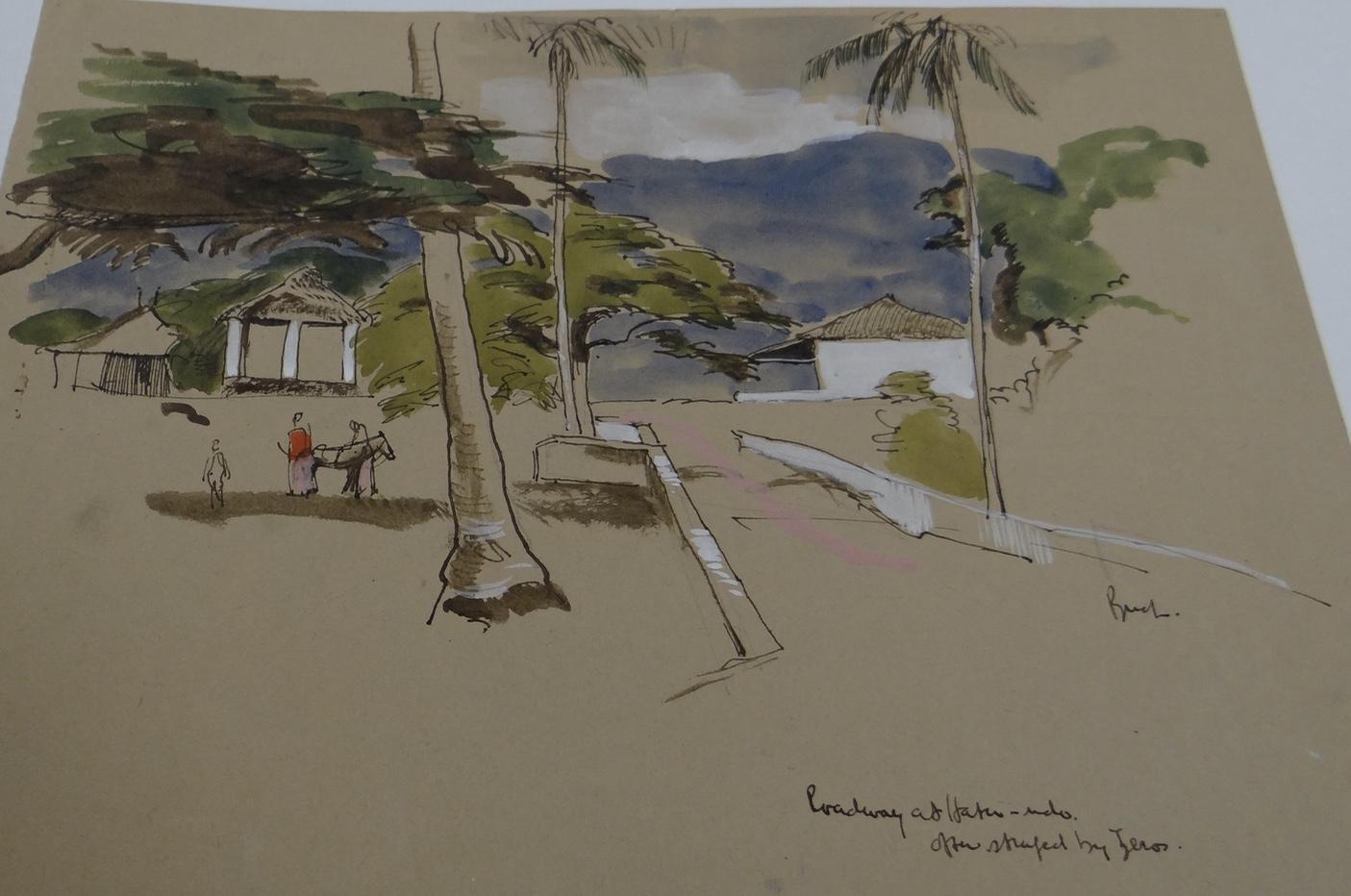
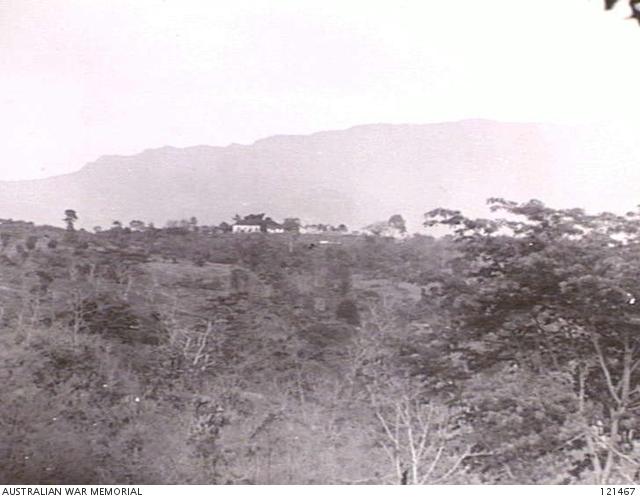
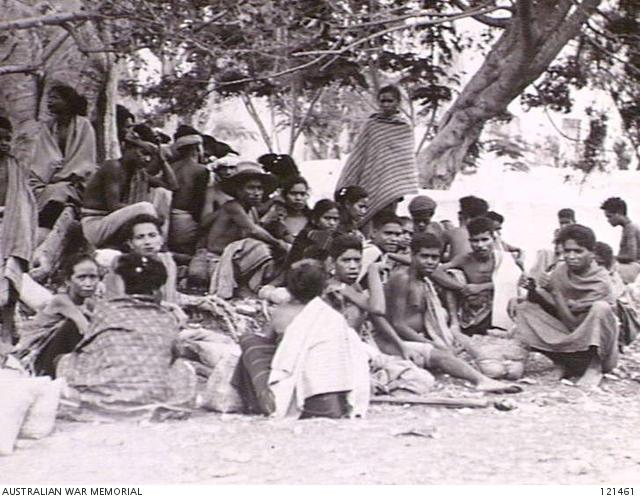
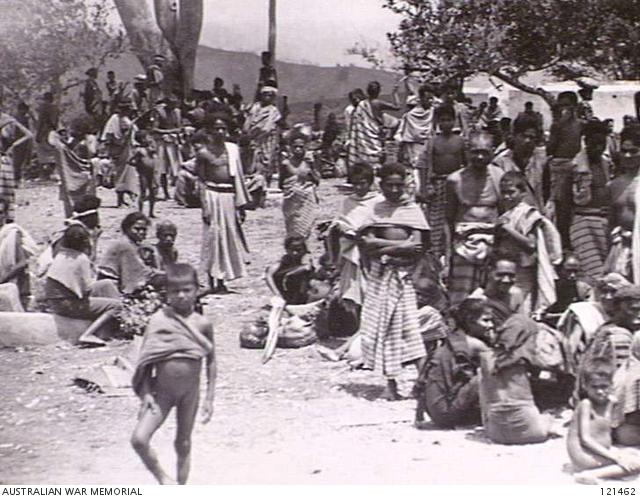
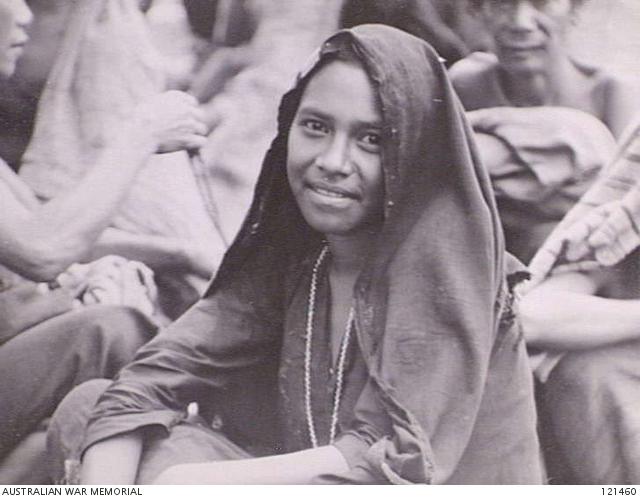
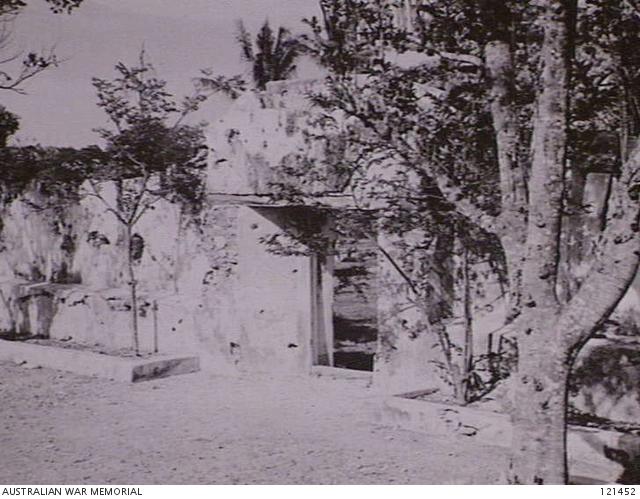

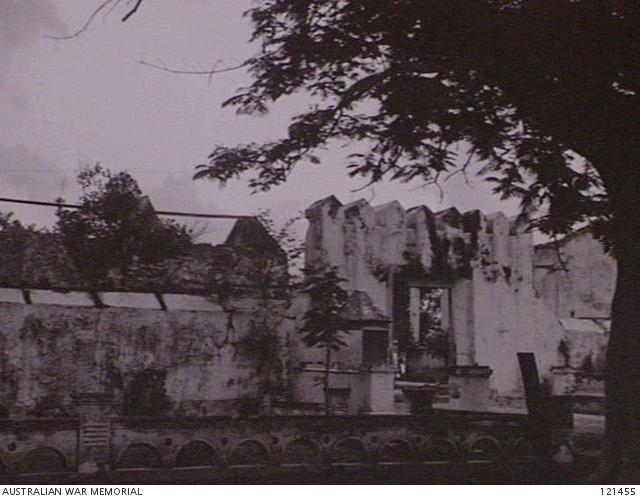
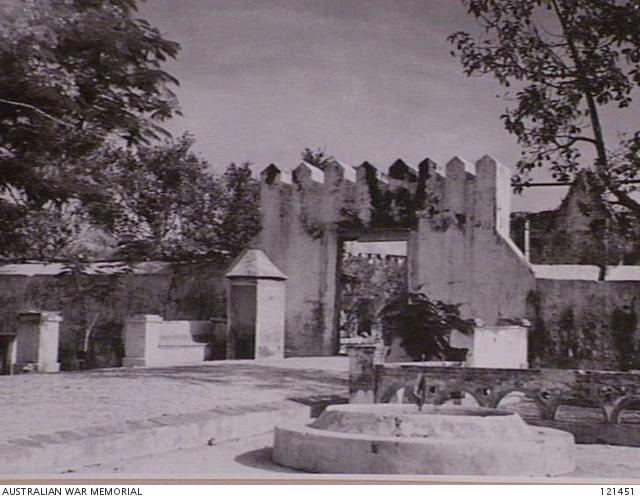
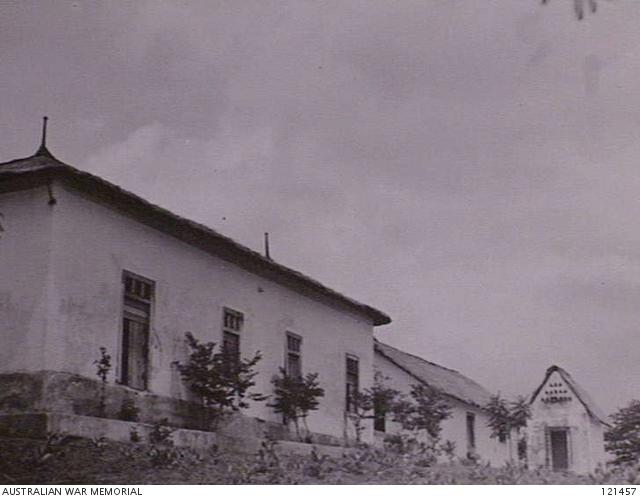
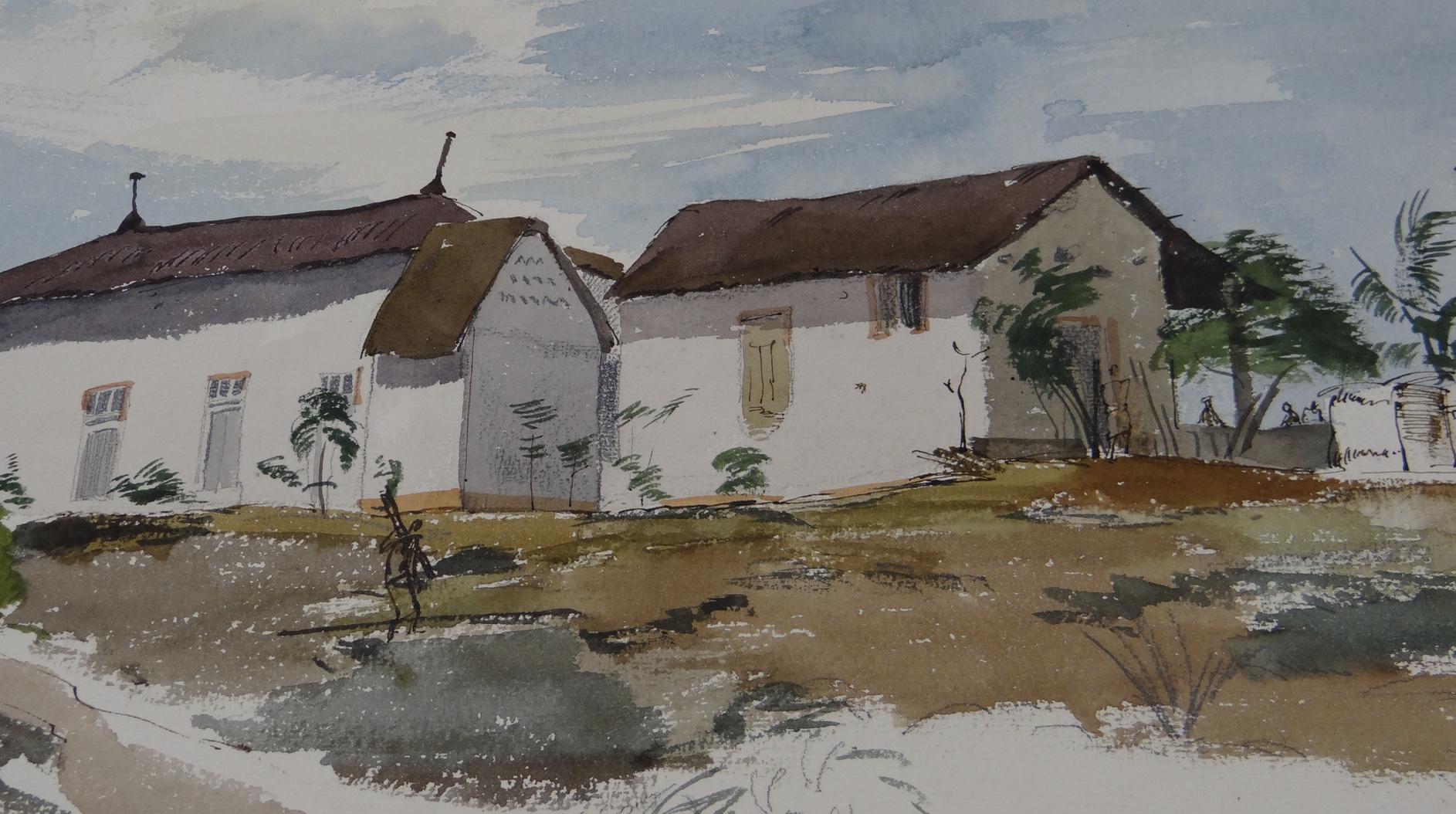
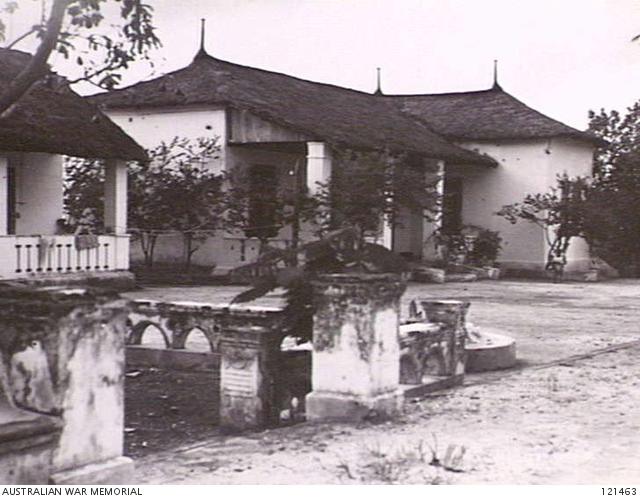
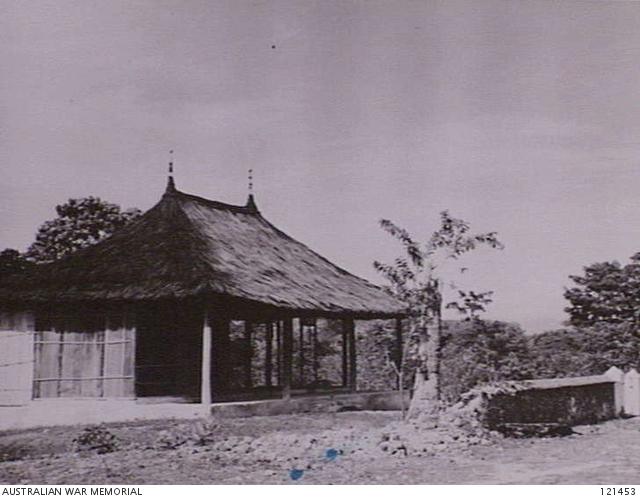
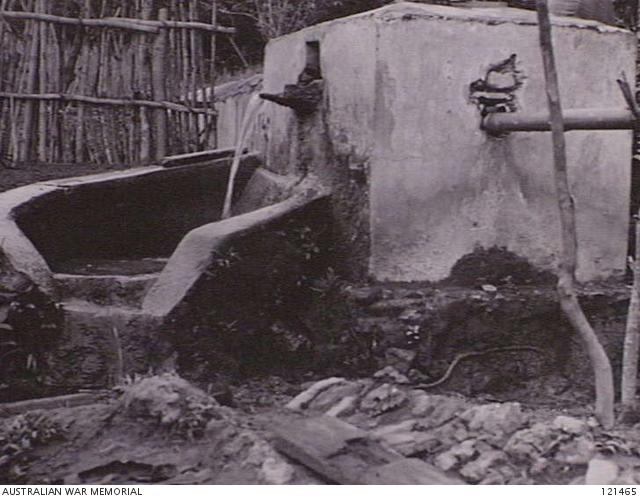
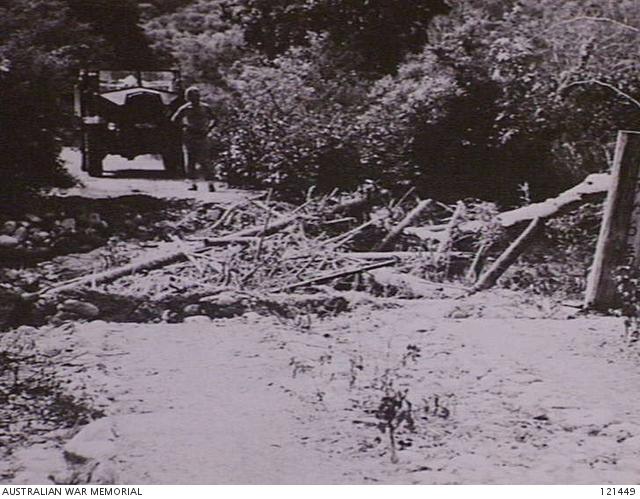
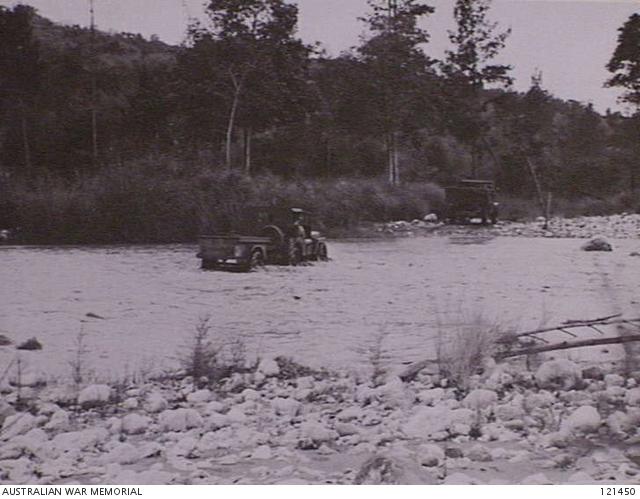
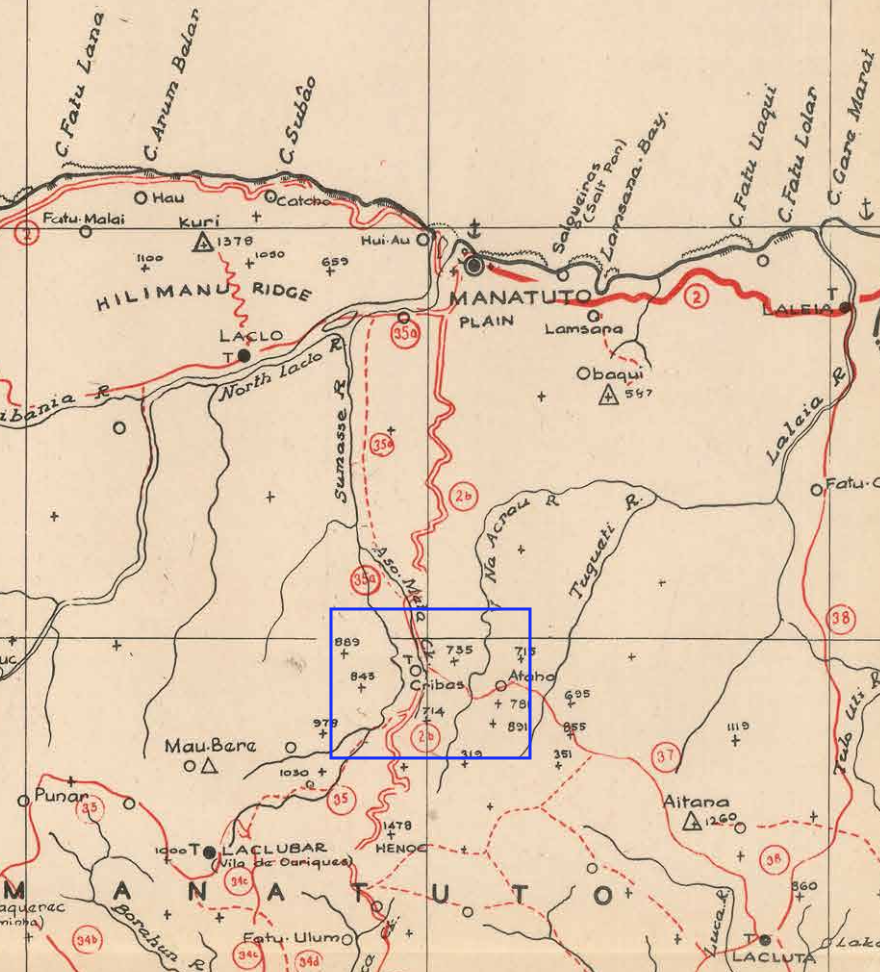
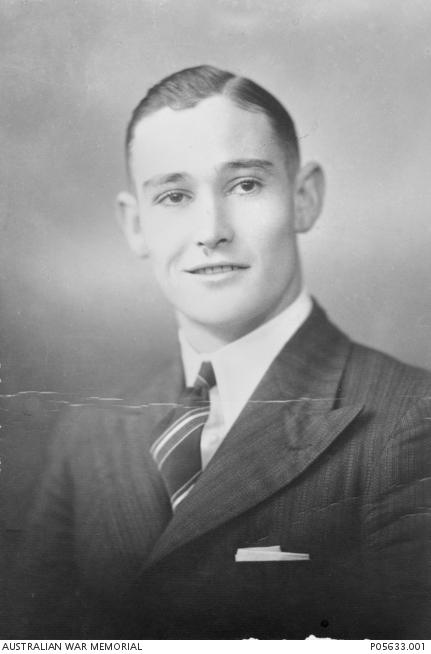
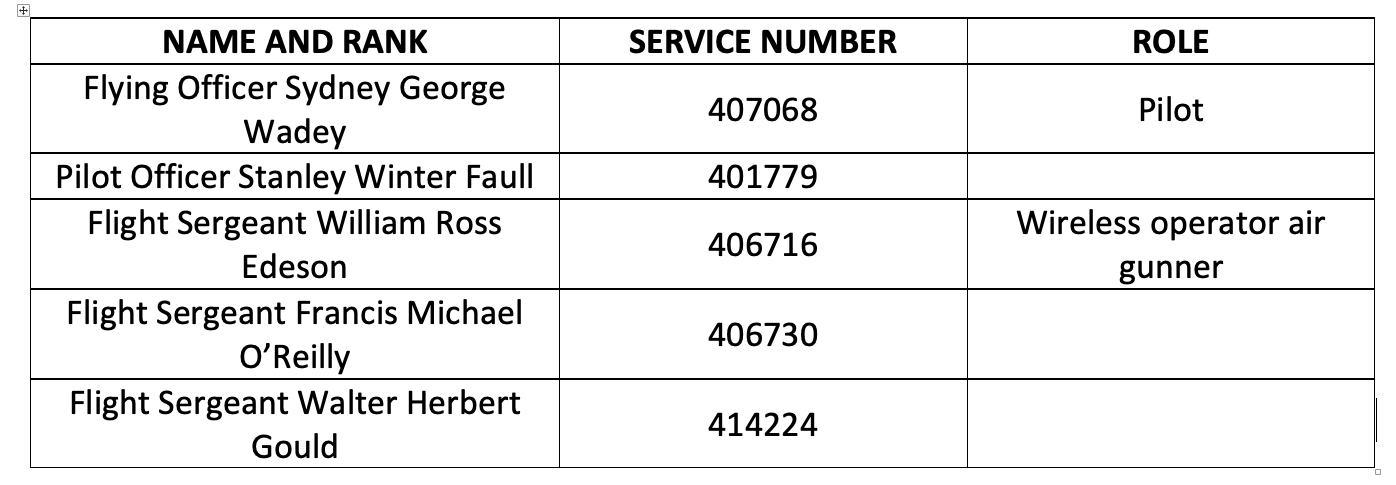
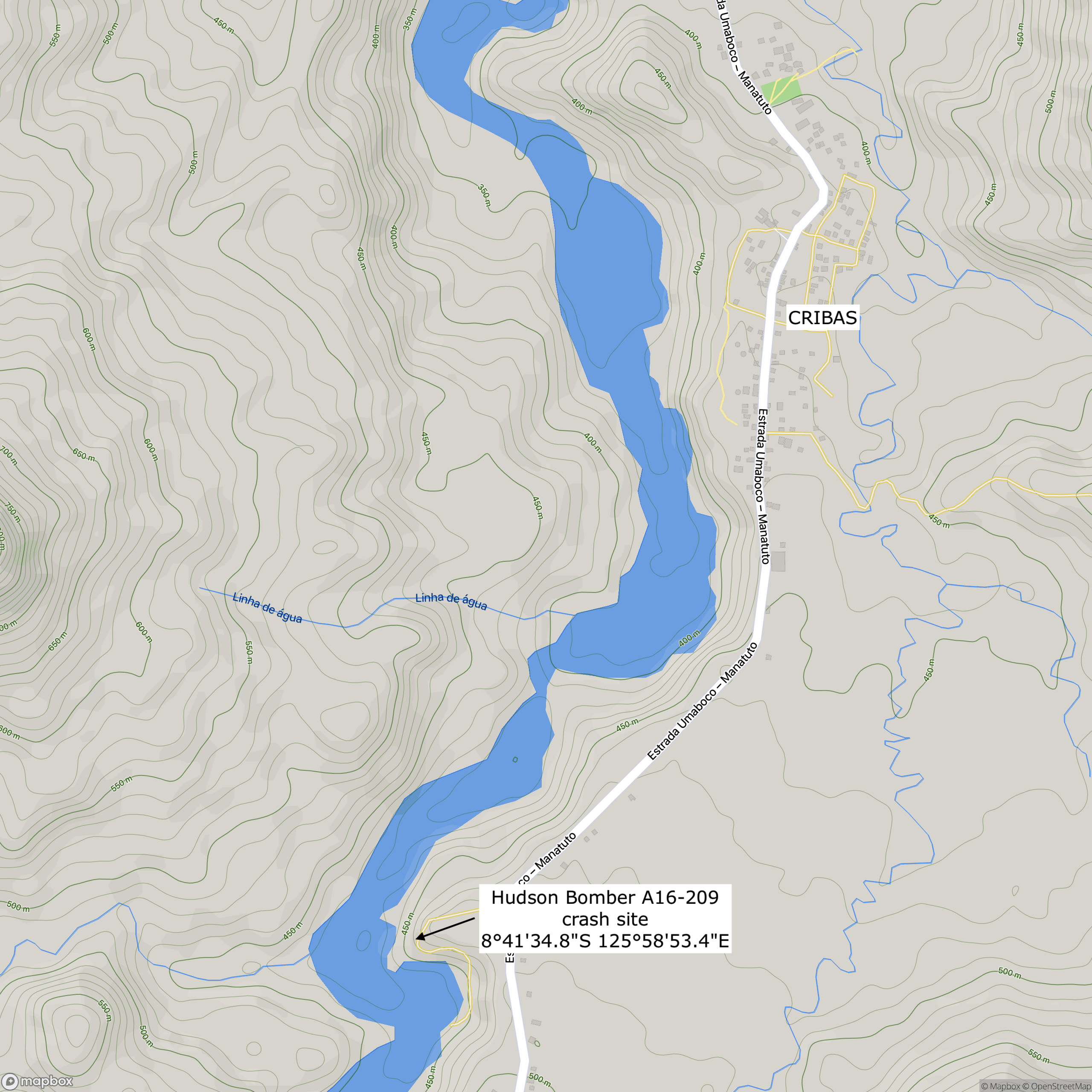
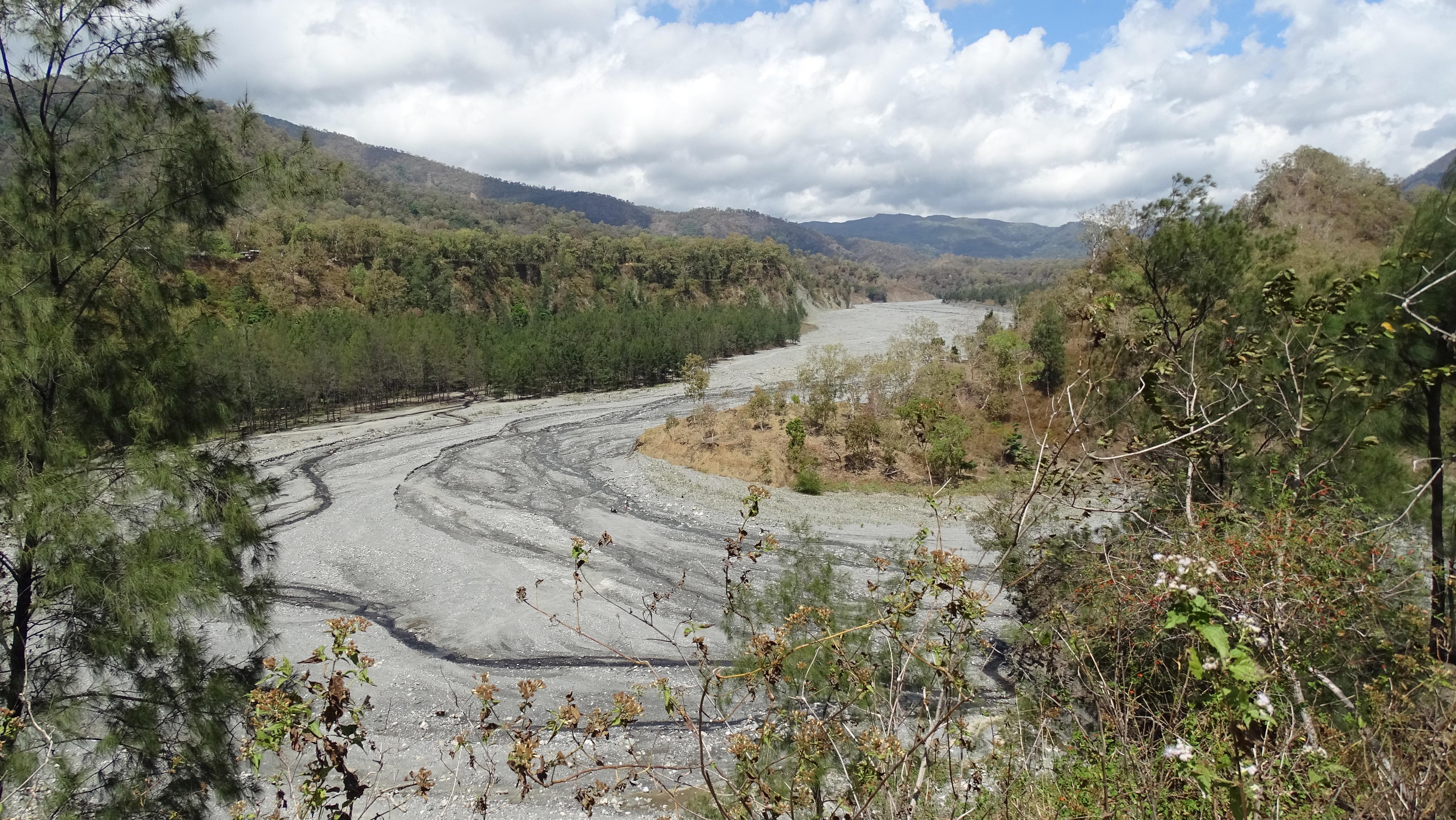
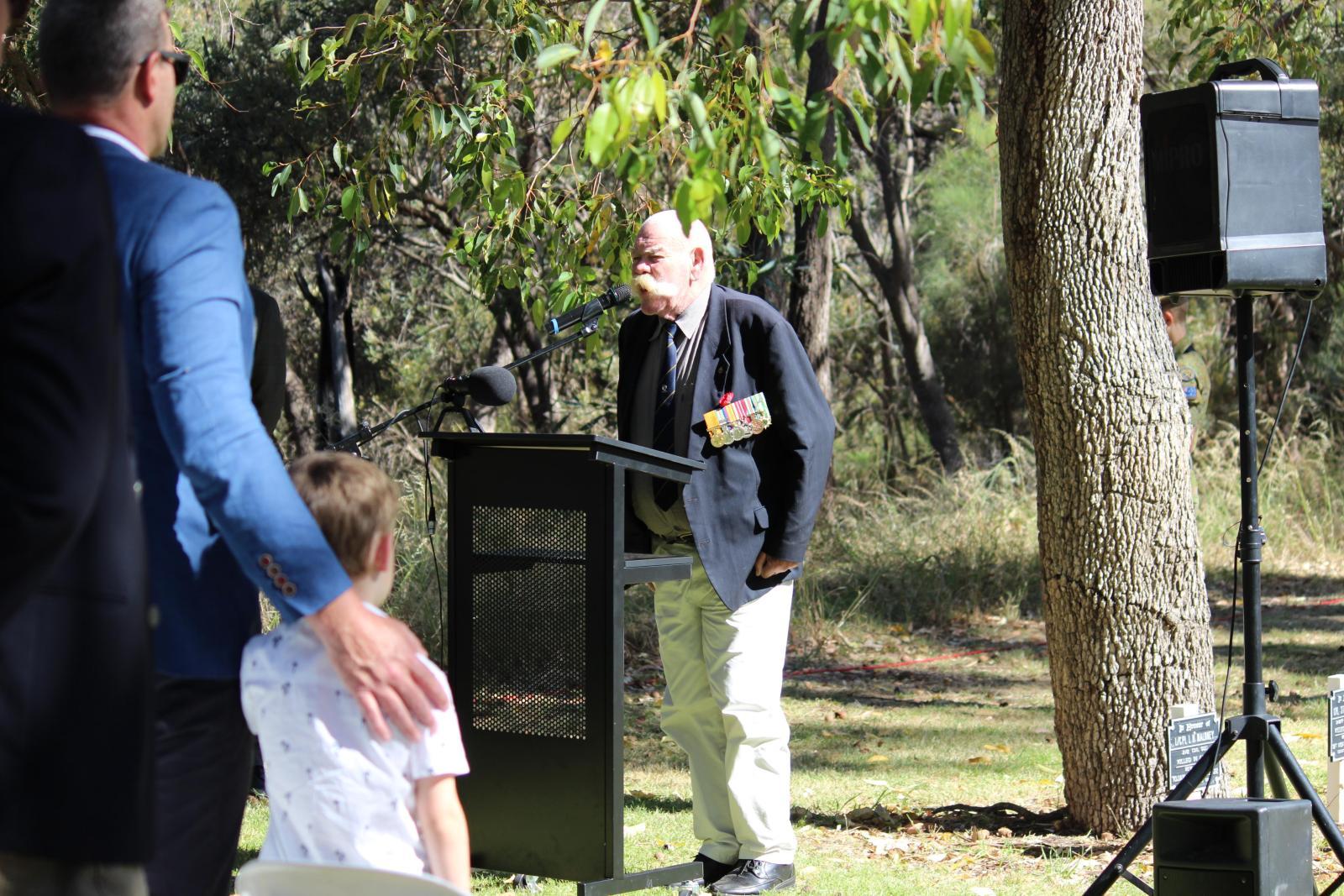
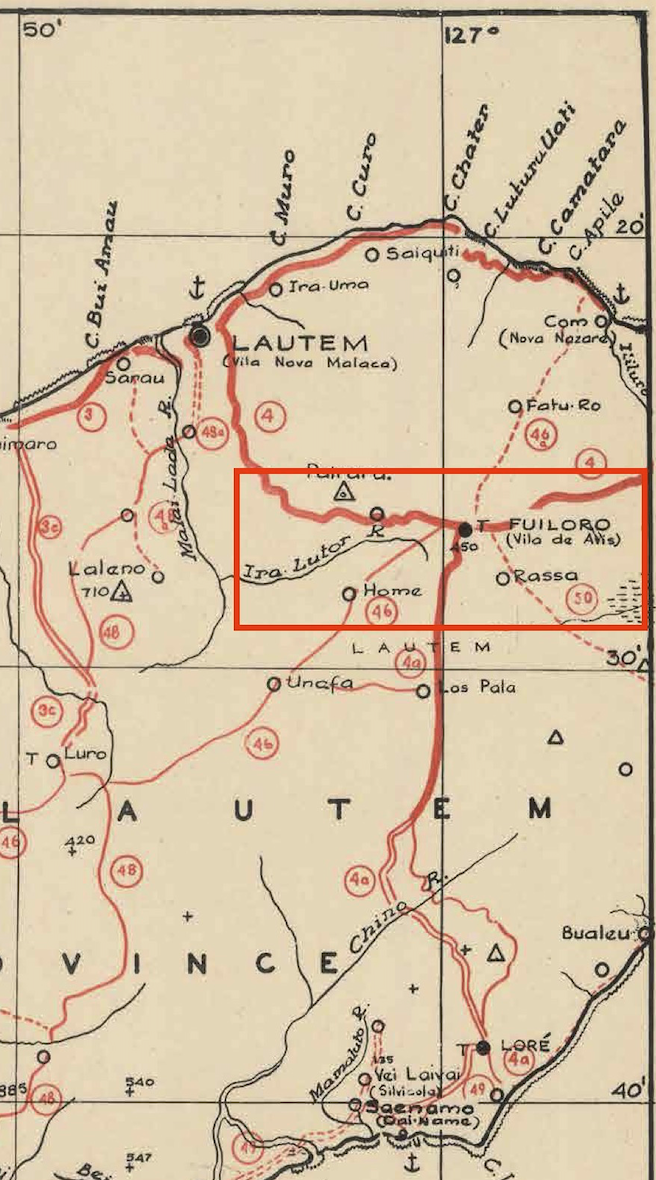
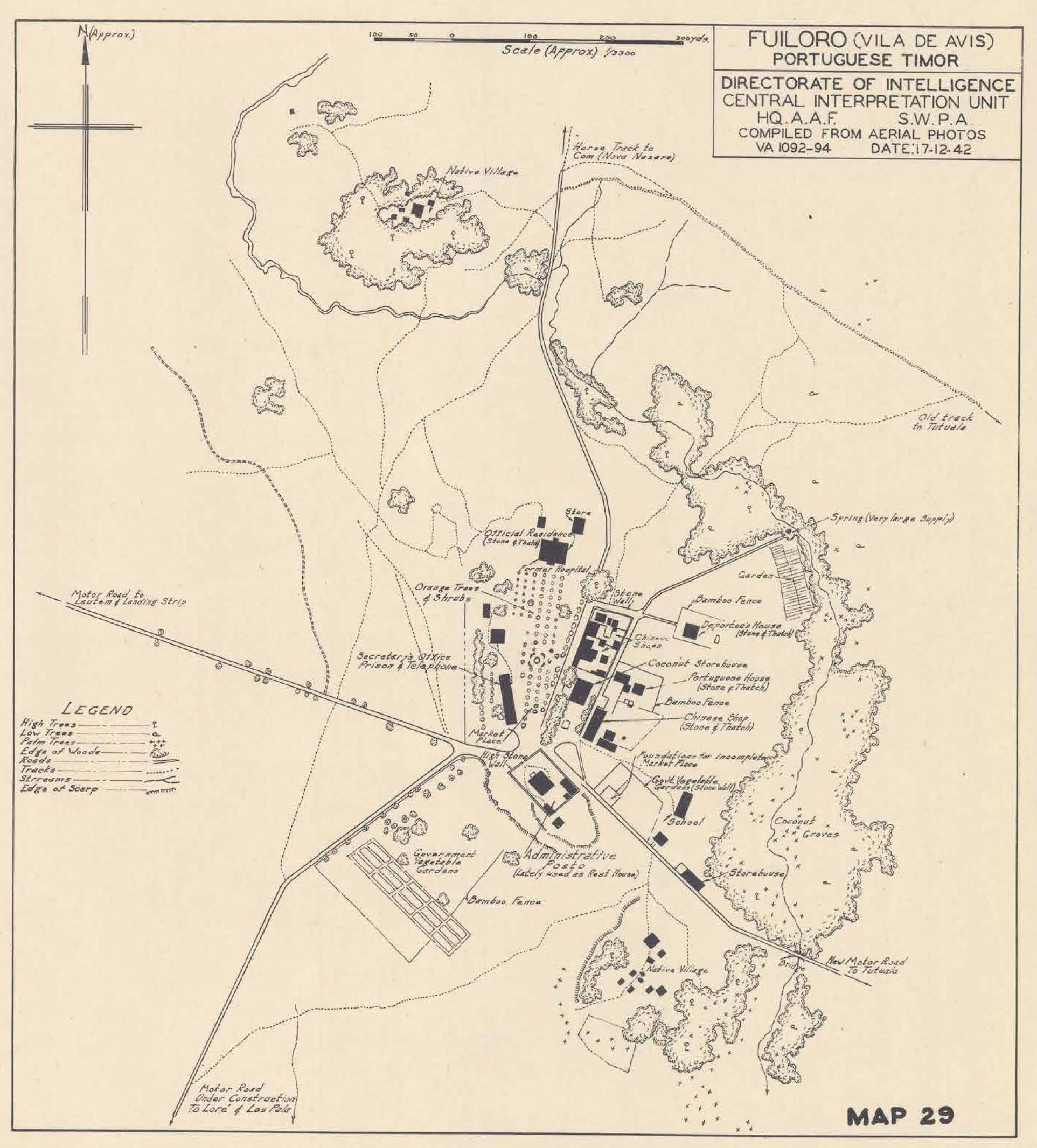
whoAssistedtheAustraliansofSparrowForce.JPG.98993d89adada4a6bfc8ade9c44d69ea.JPG)
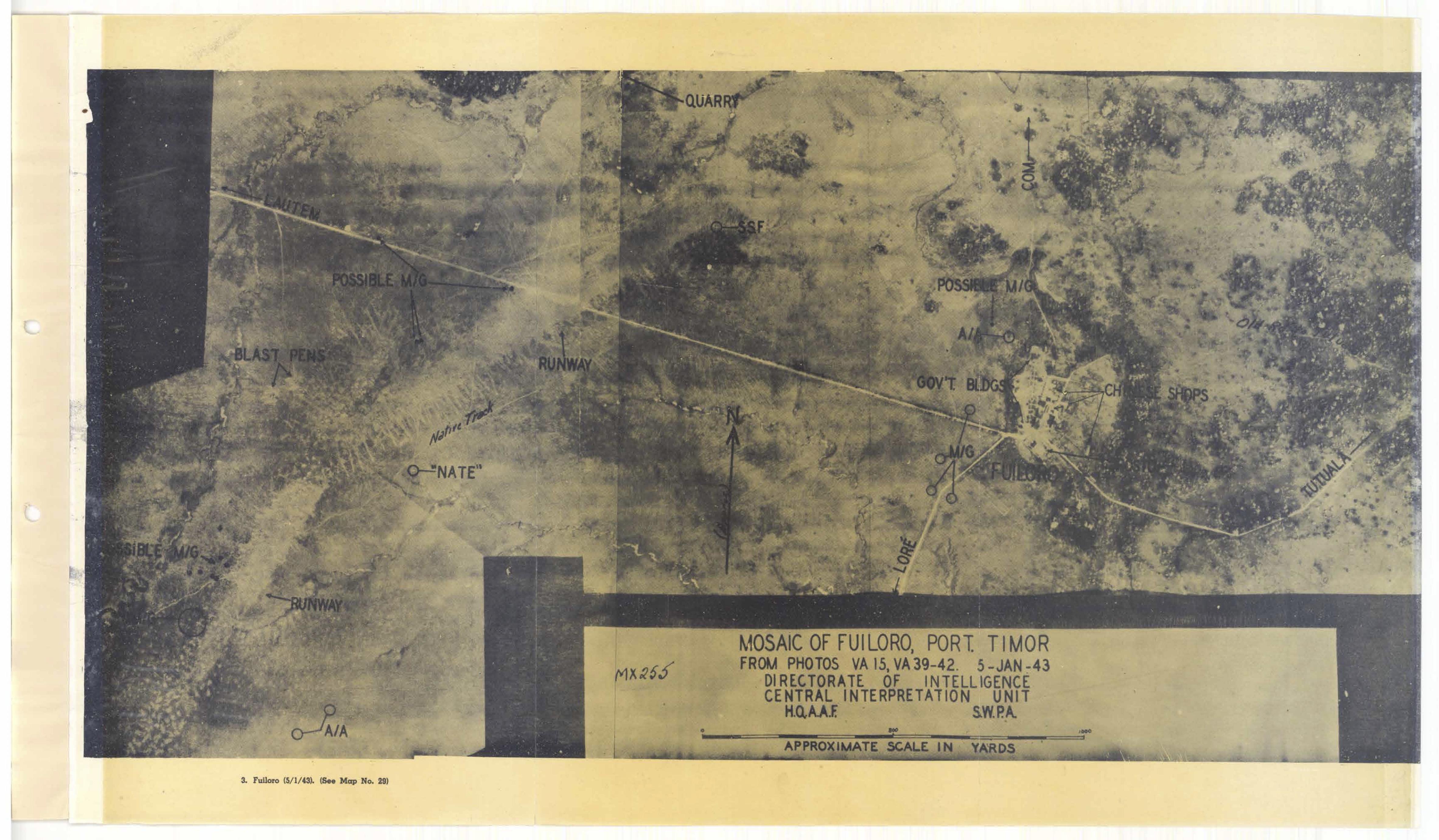
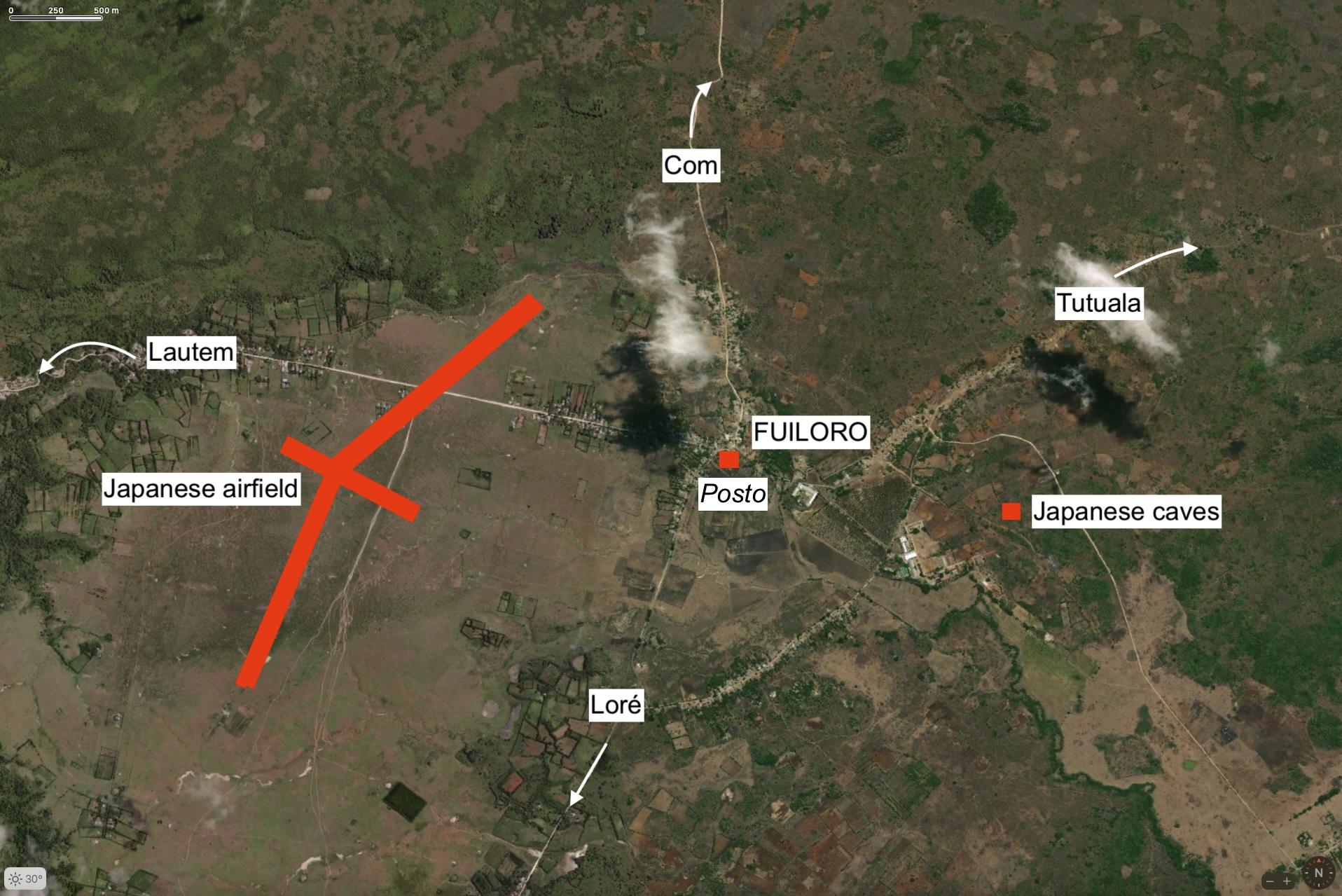
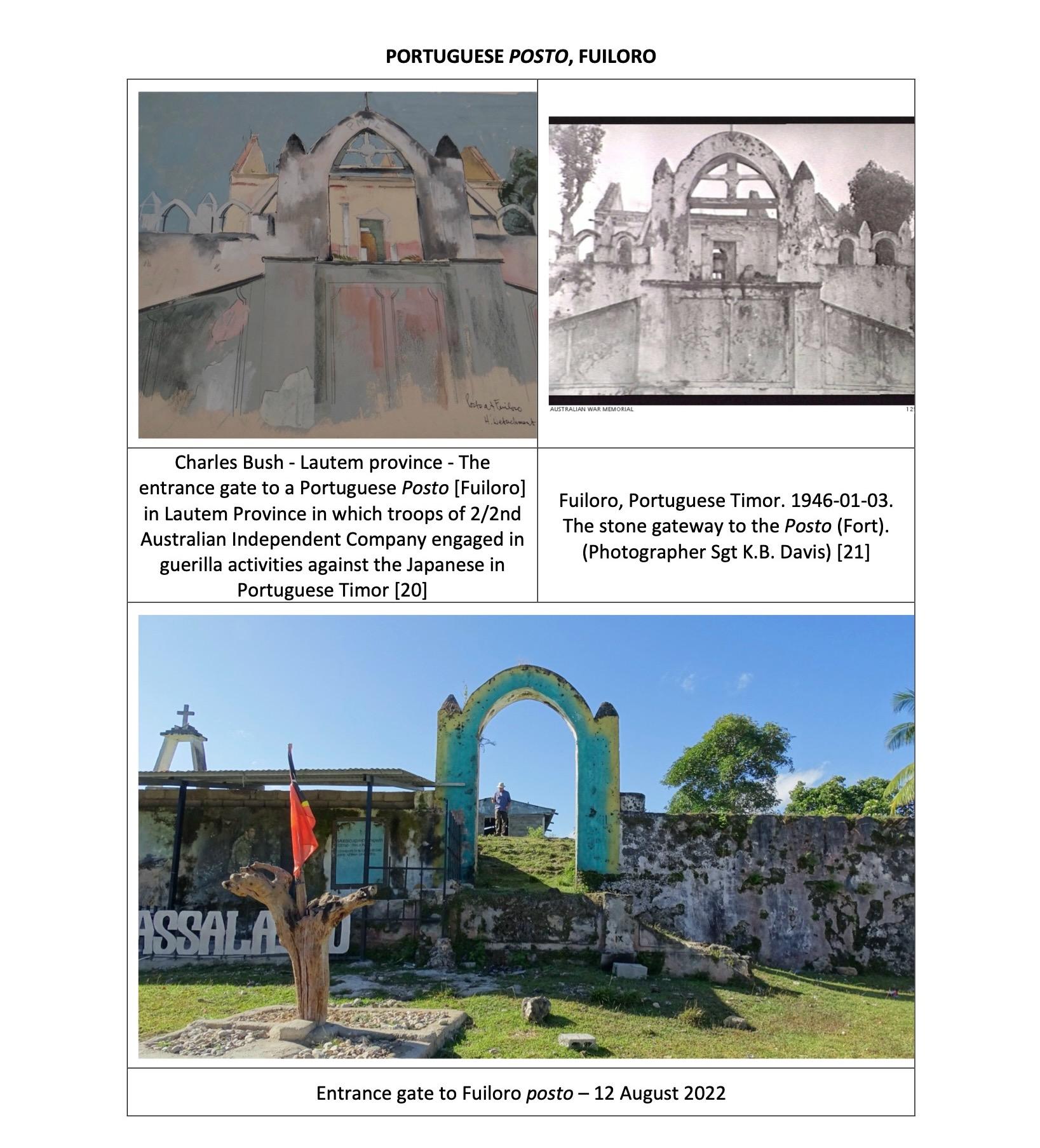
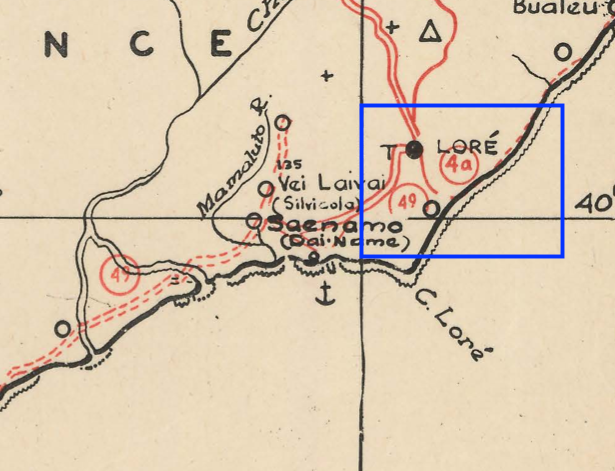
.JPG.21b16bc02bf80bf0b888b05ff3cd82bf.JPG)
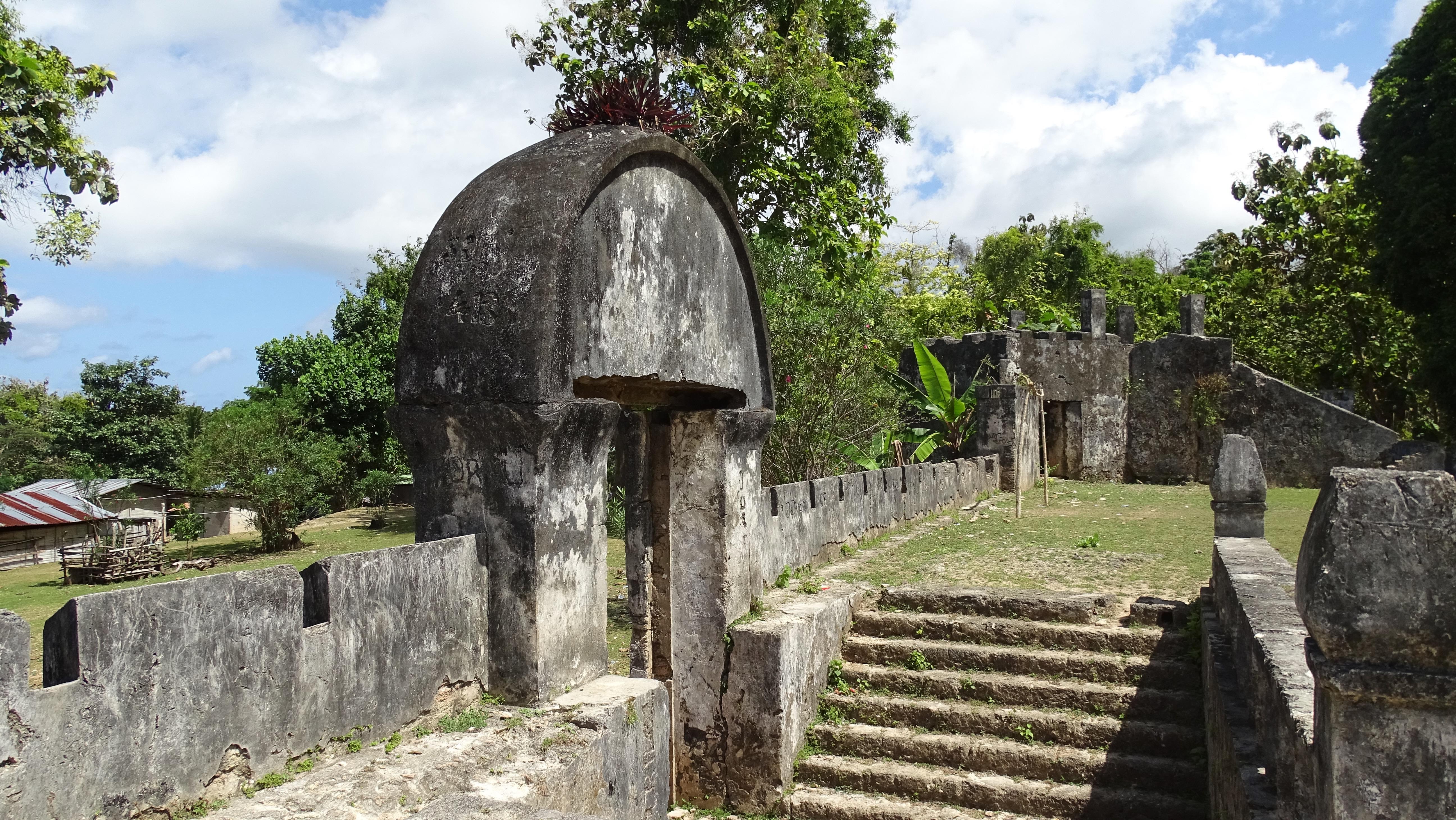
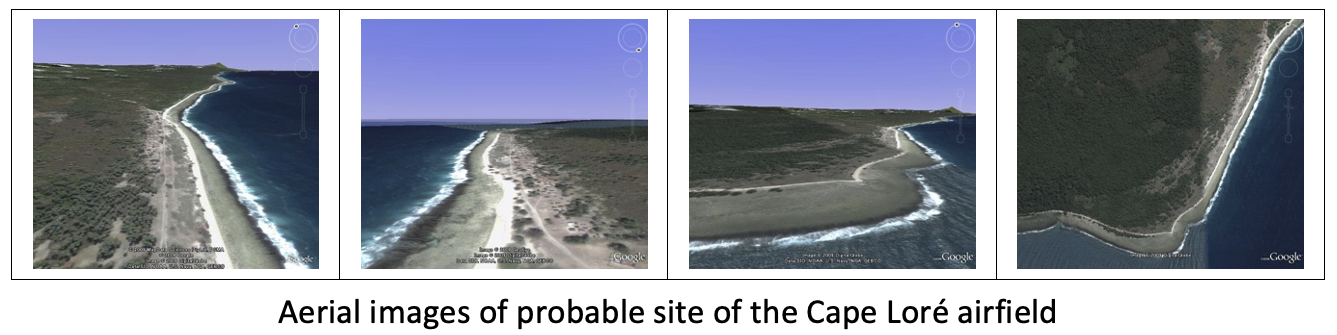
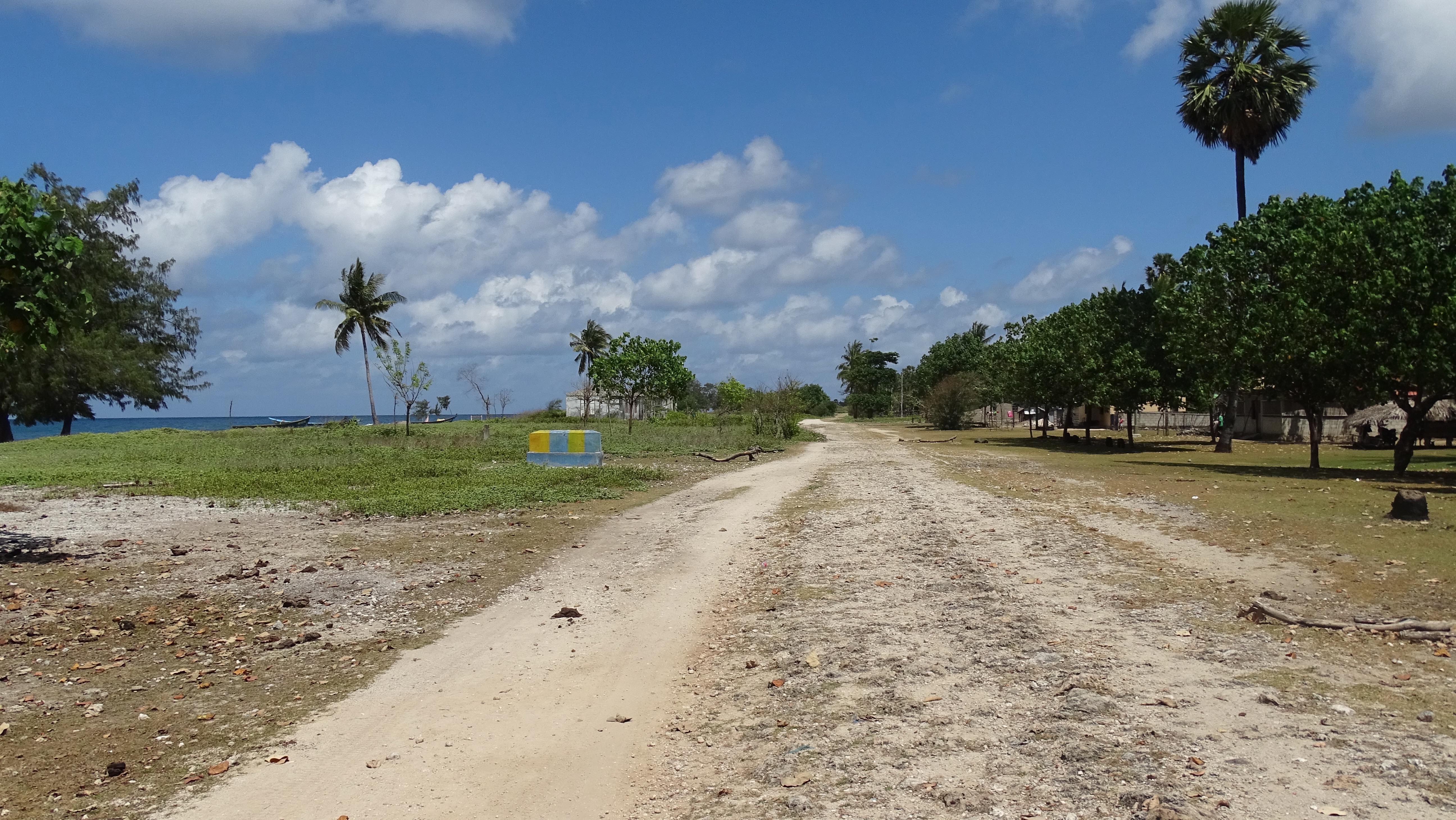
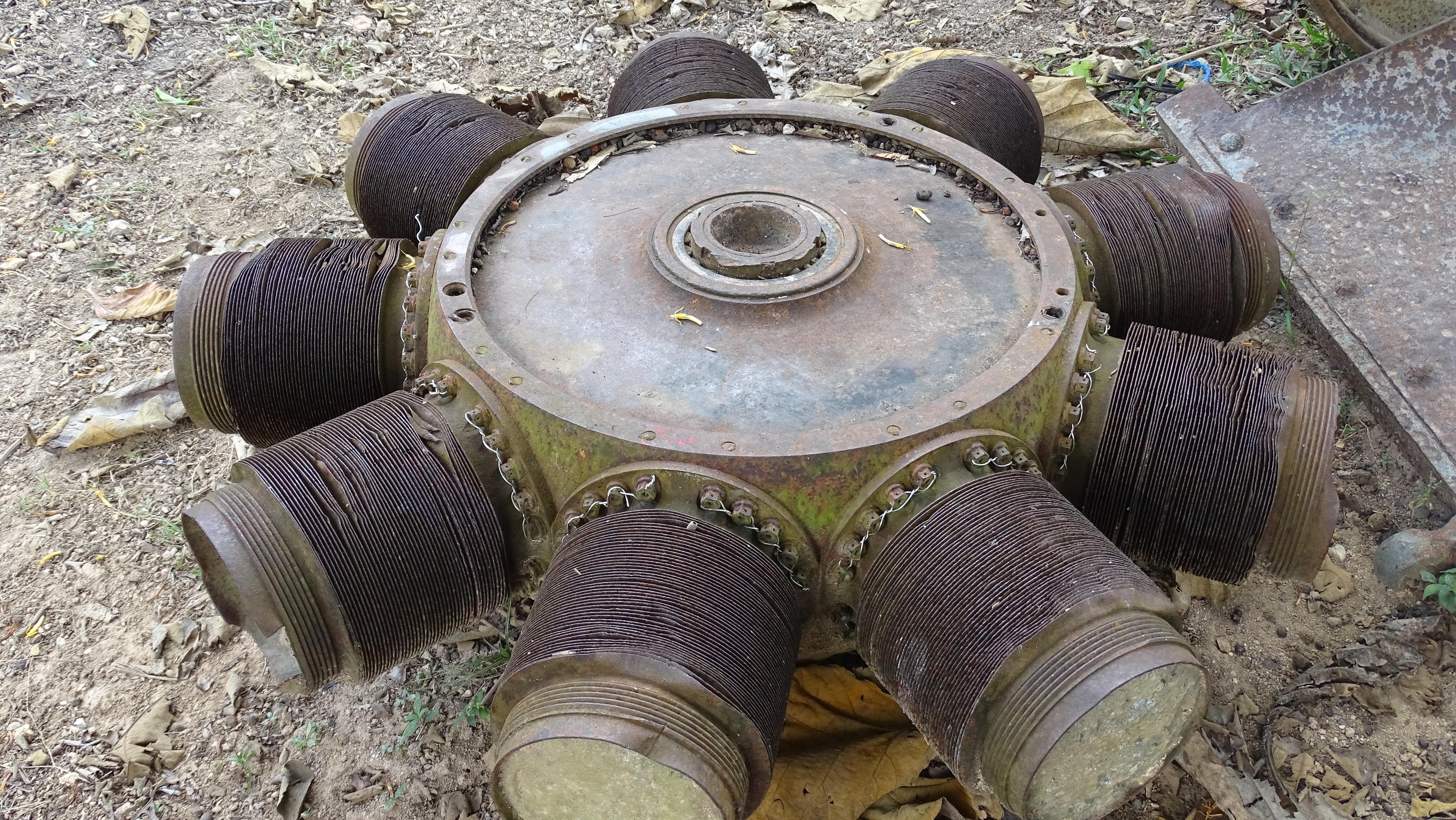
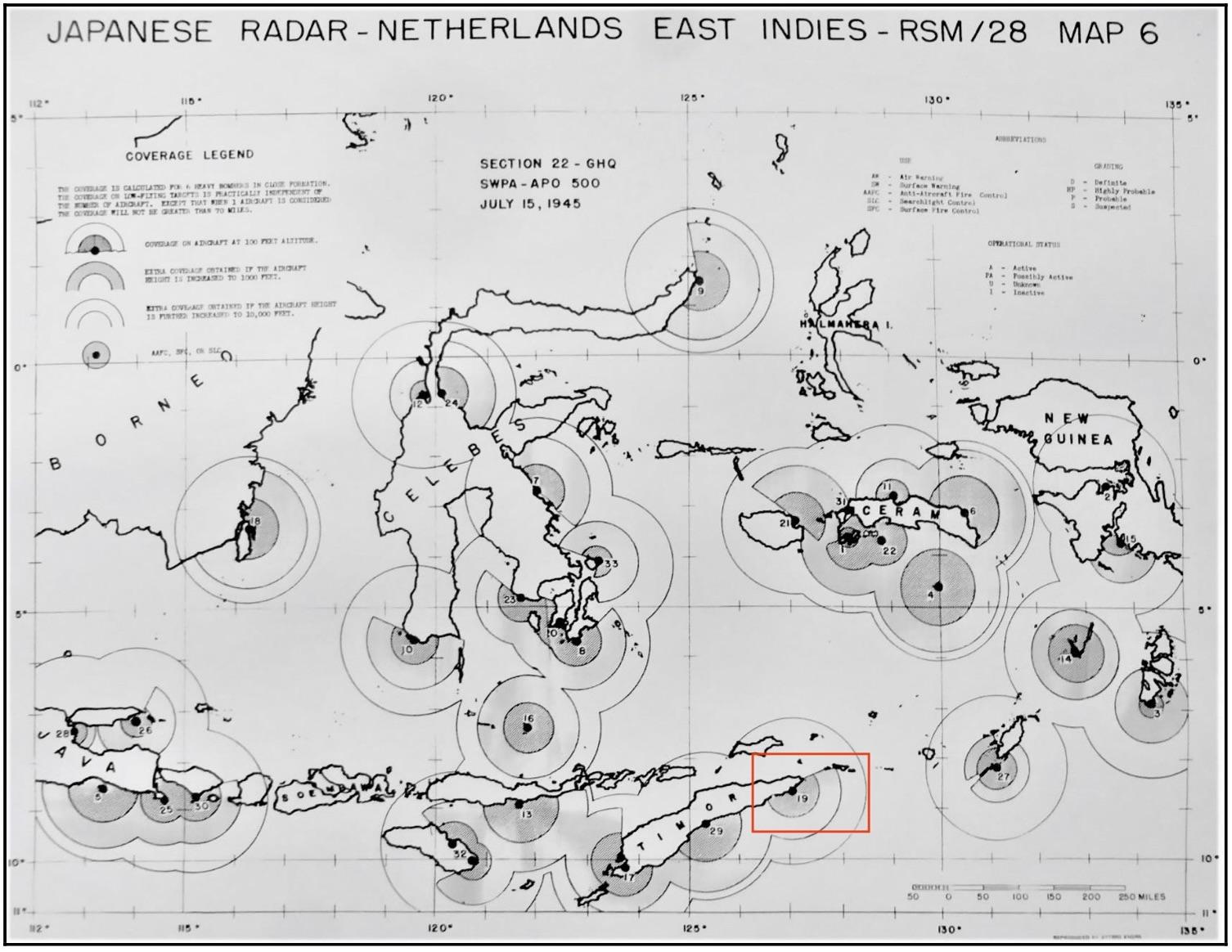
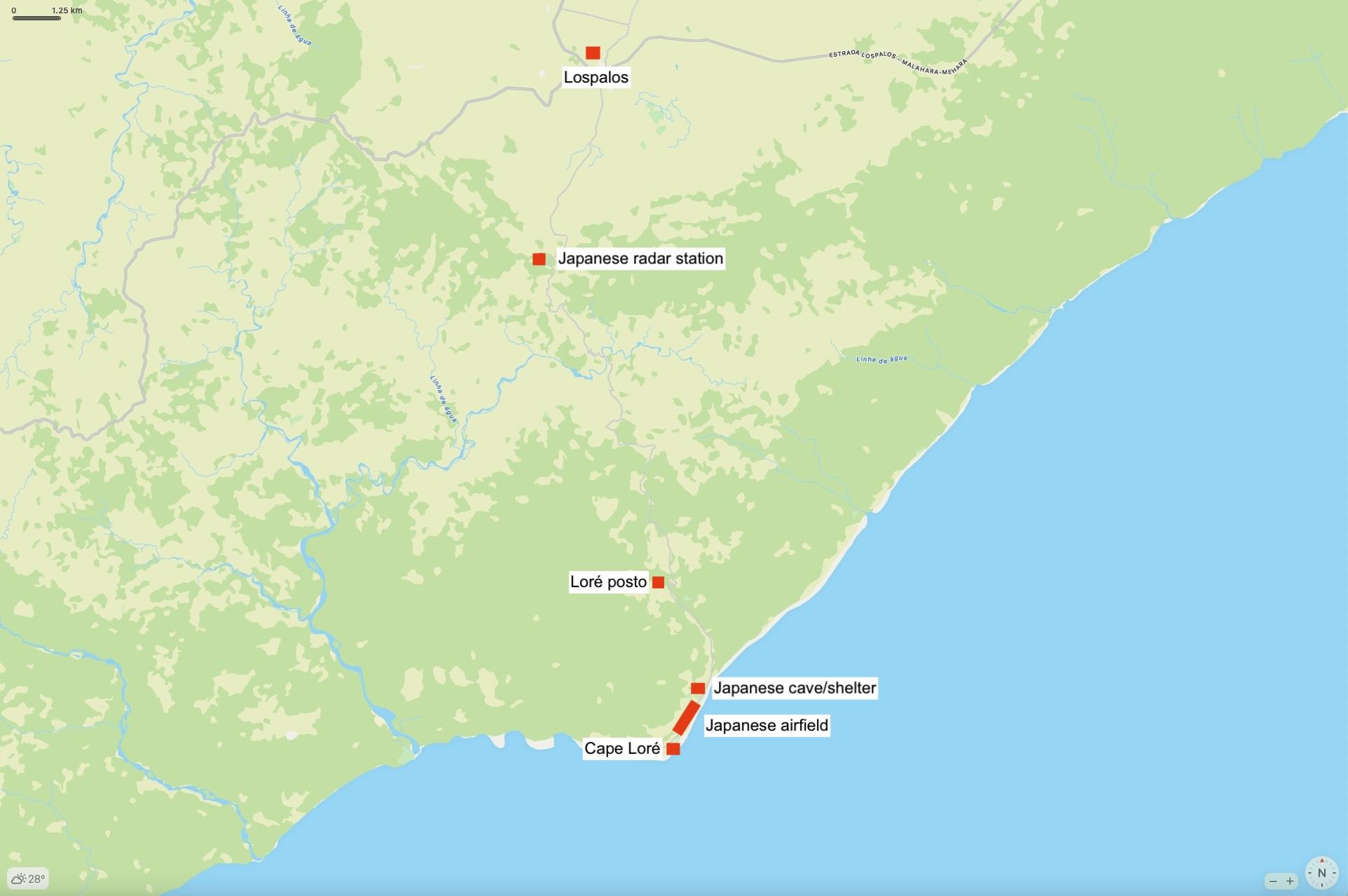
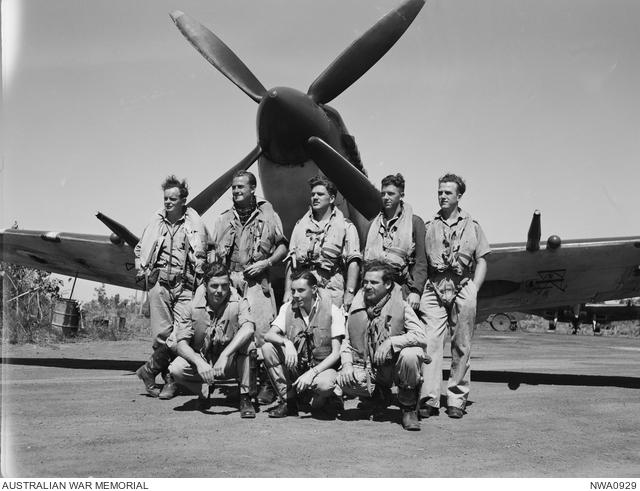
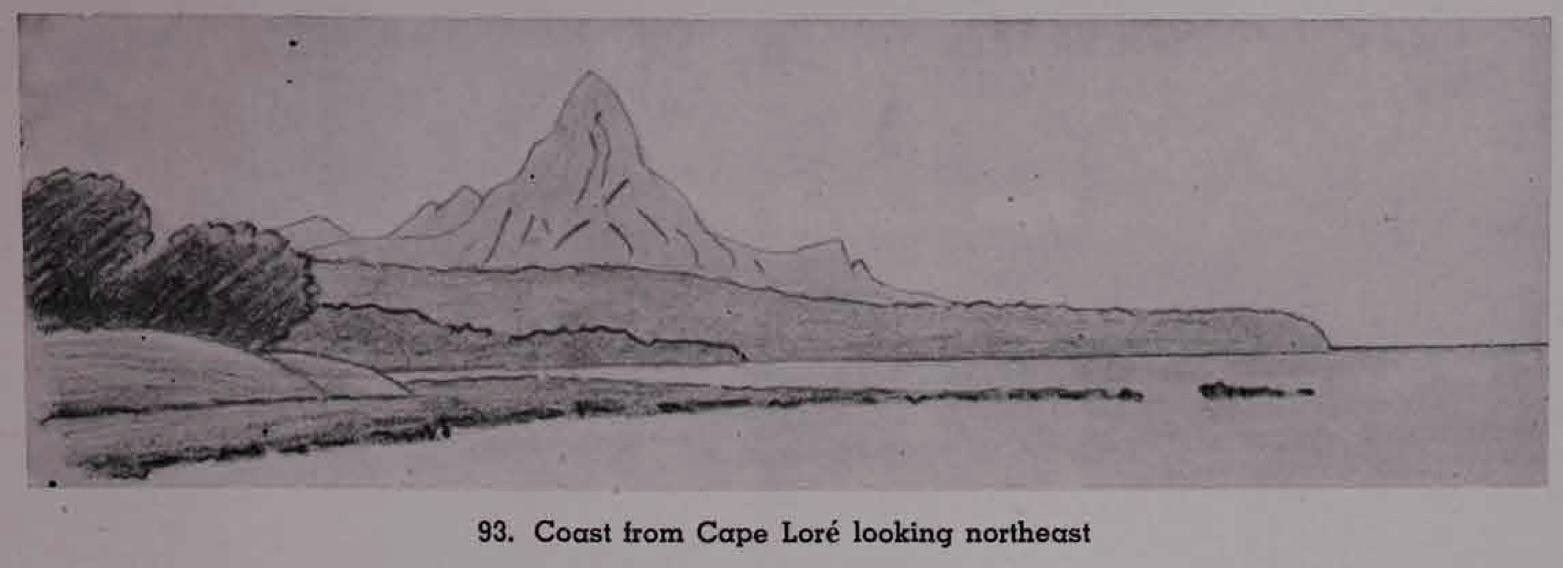
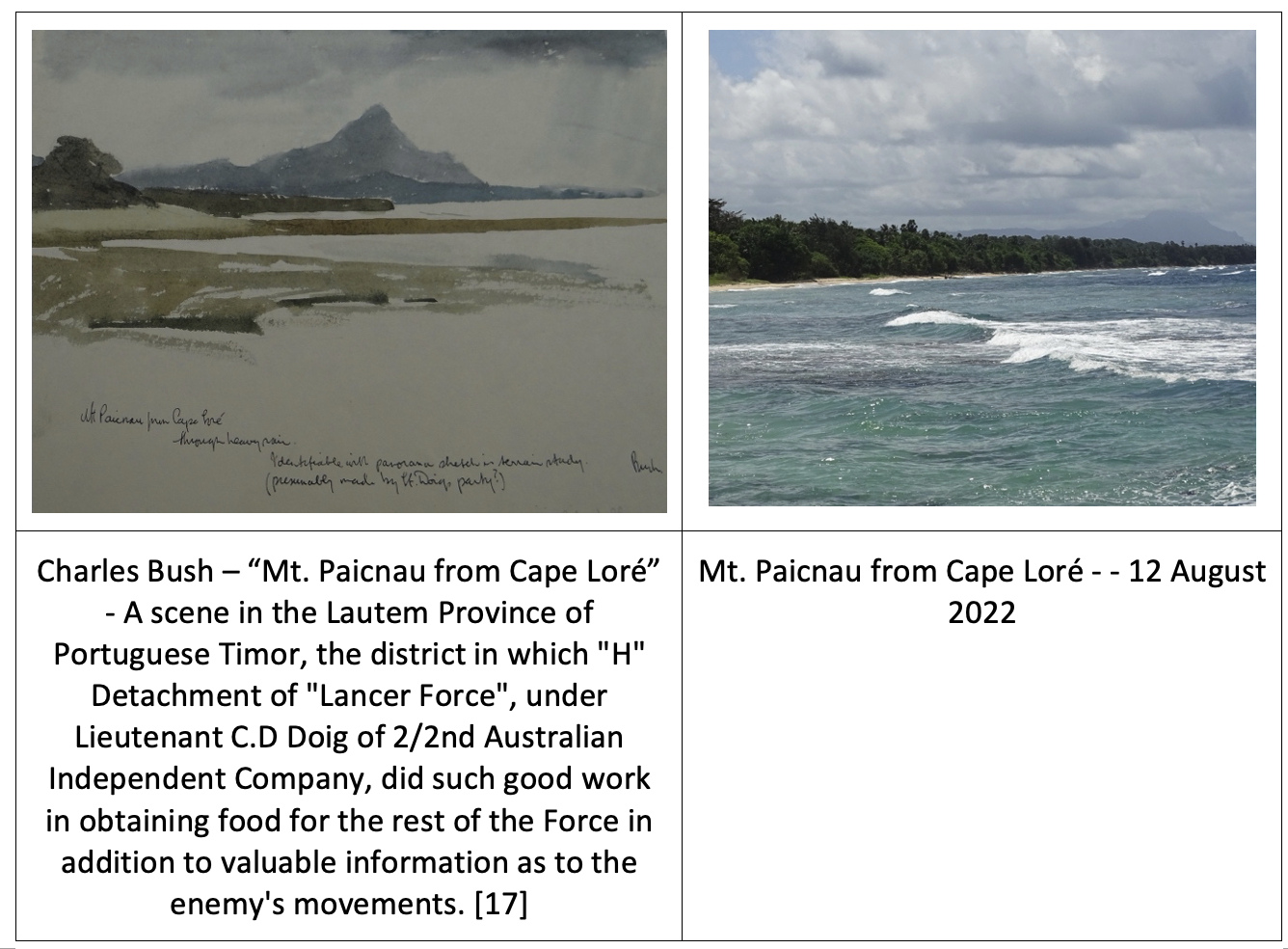
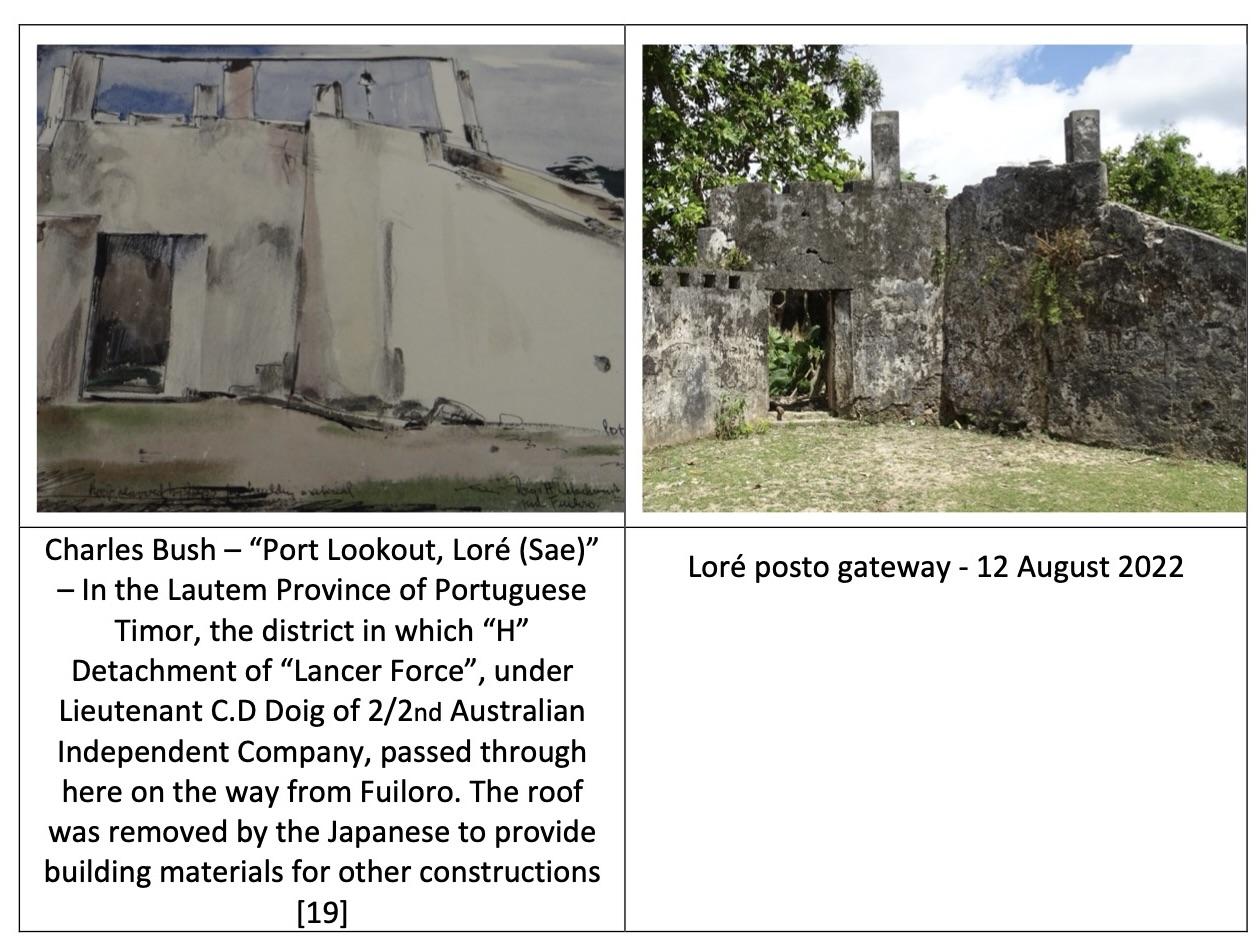
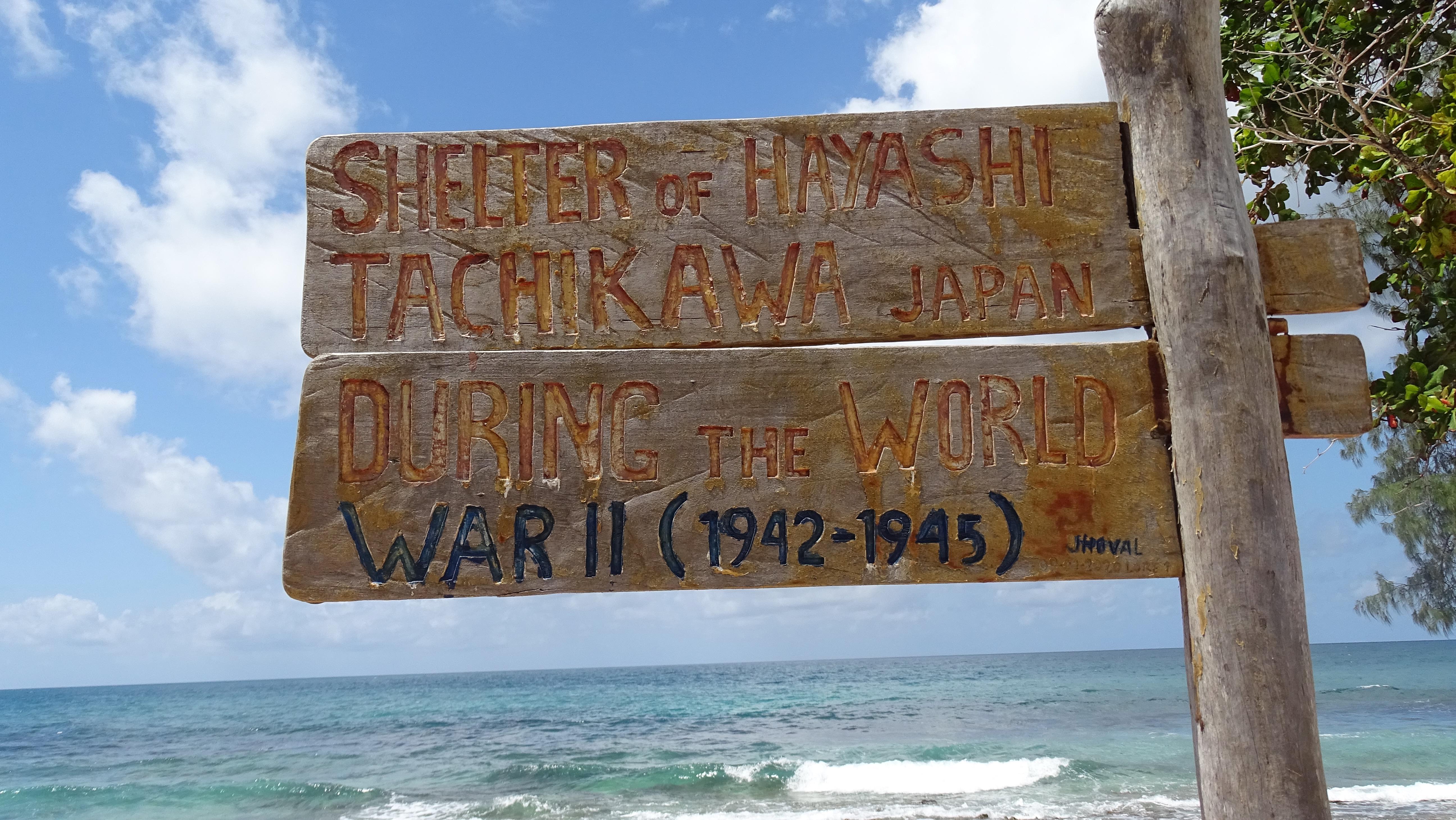
3.jpeg.2ca1c41ffbb8399a9b4f9ee0eb9a5a1c.jpeg)
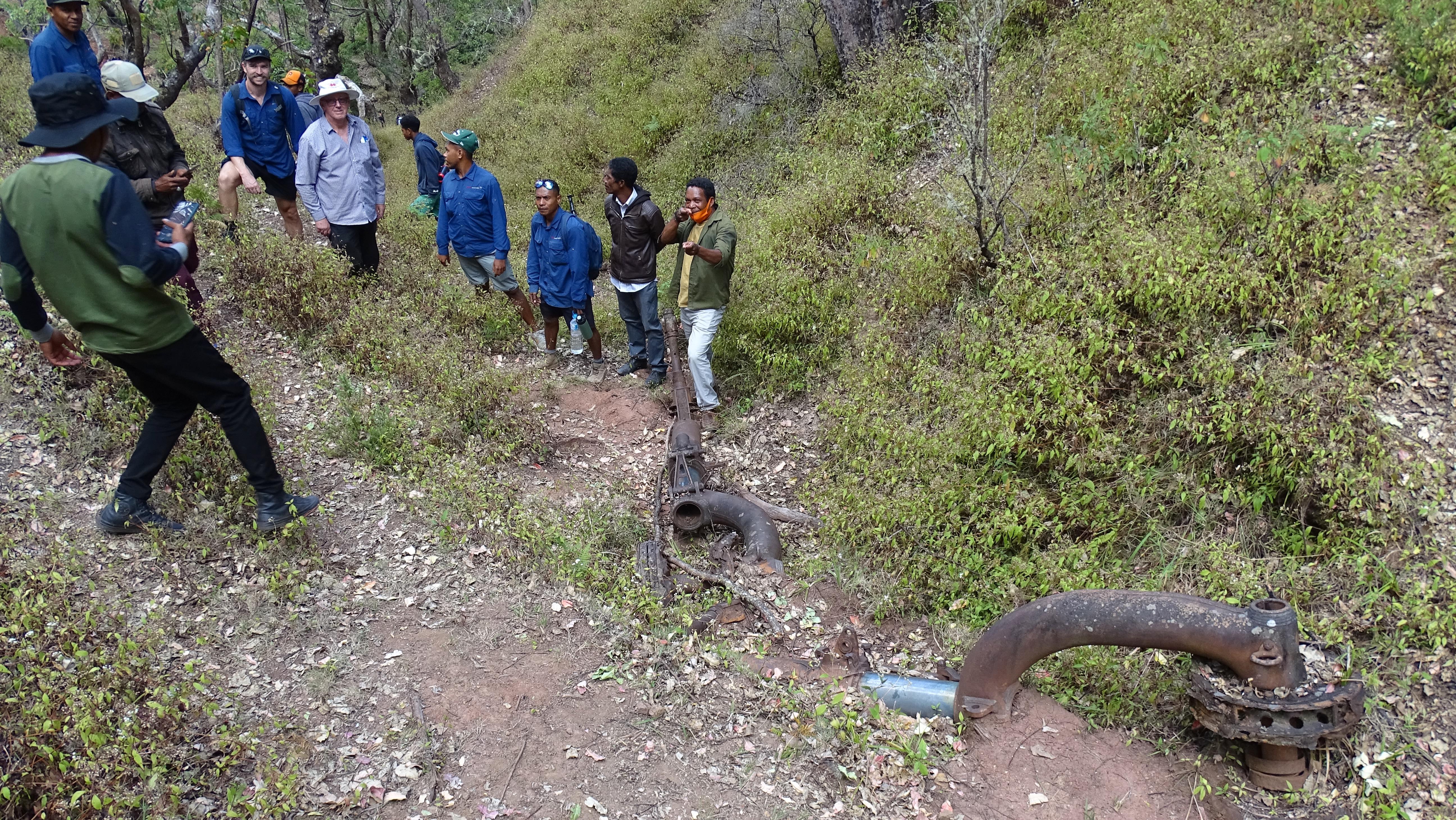
.jpeg.c0eb55bc57914dcb4ca8b1466b9b08d1.jpeg)
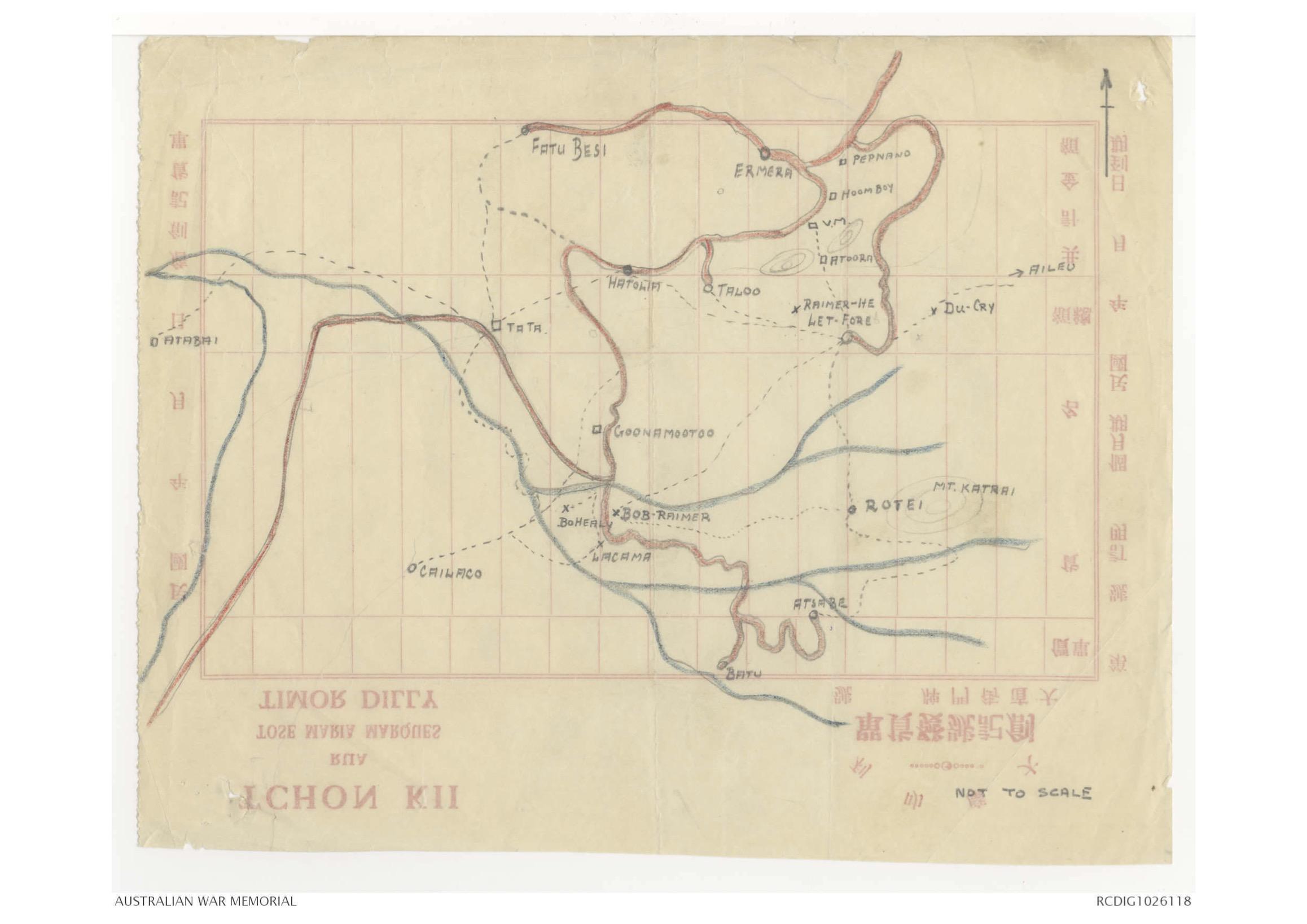
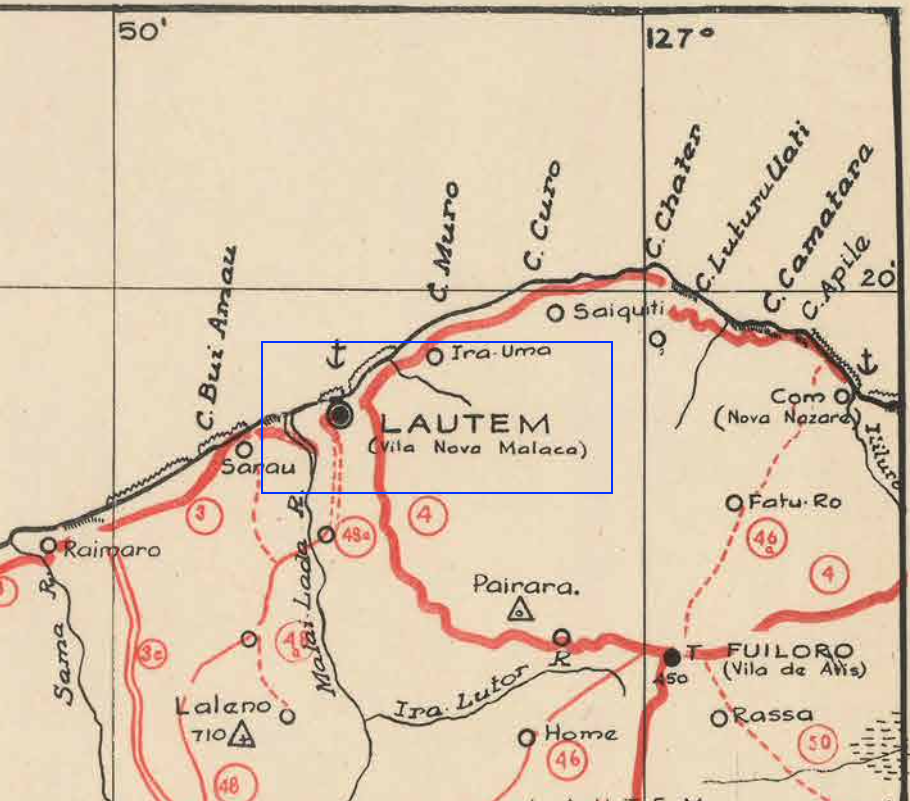
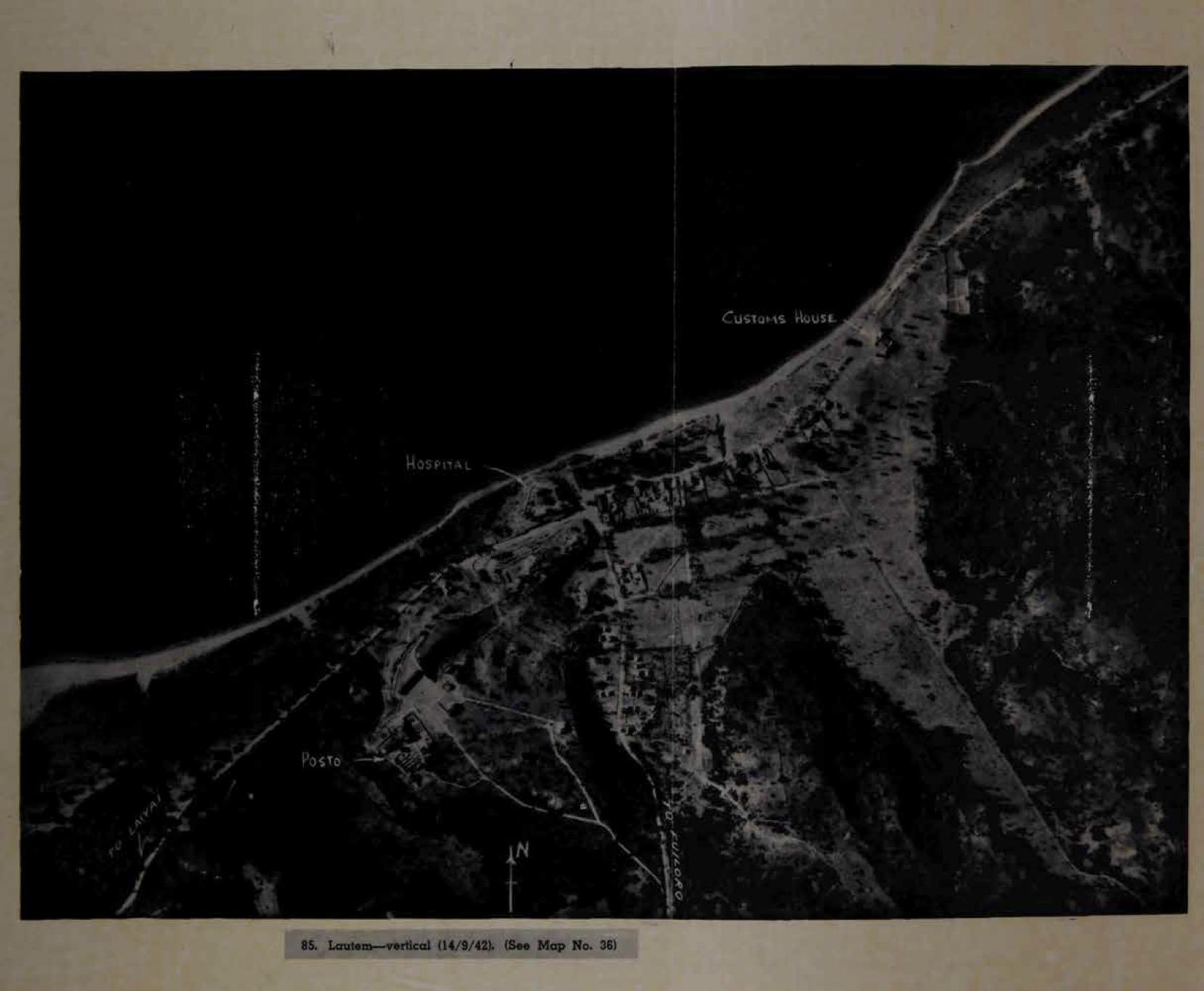
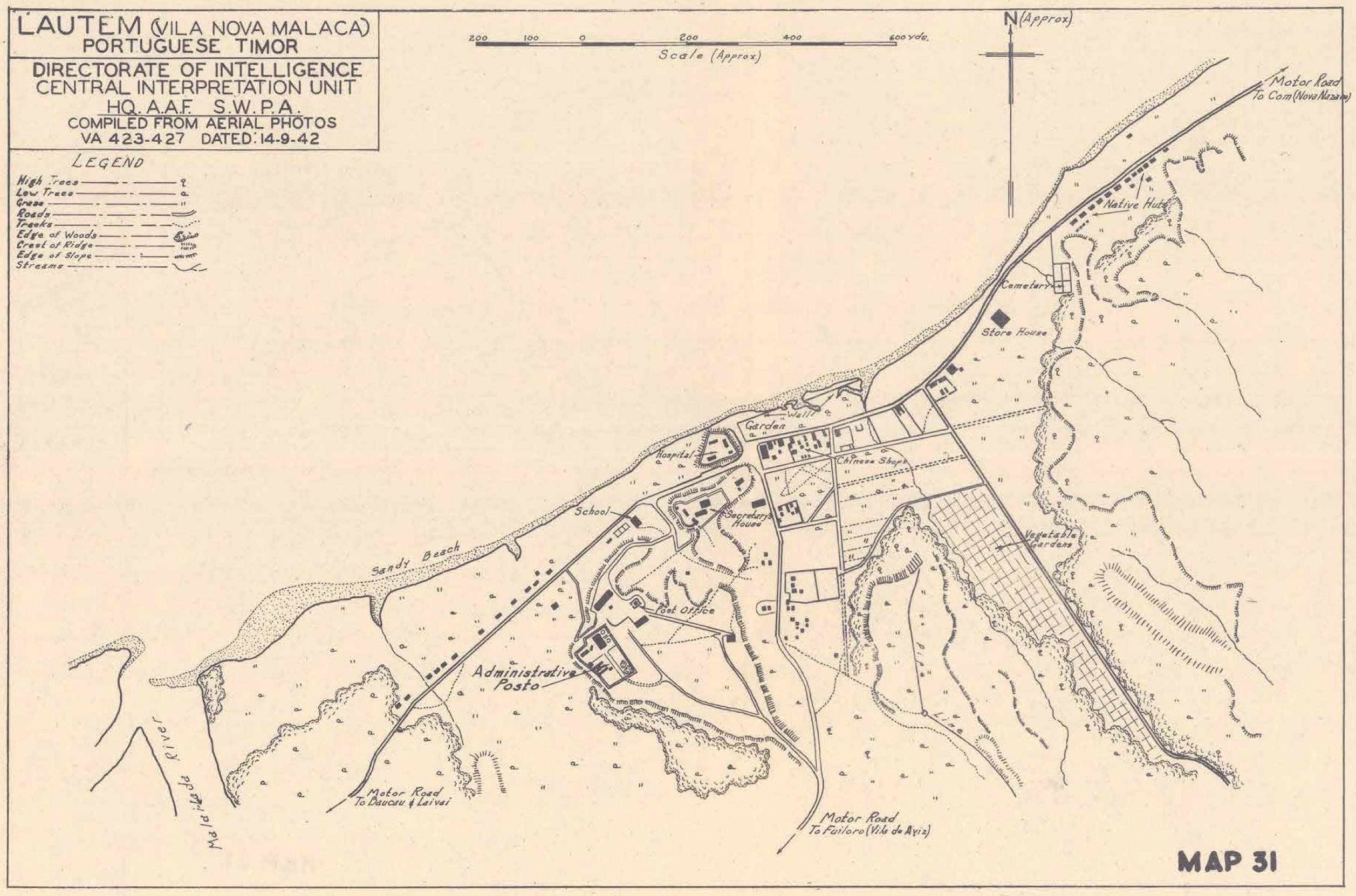
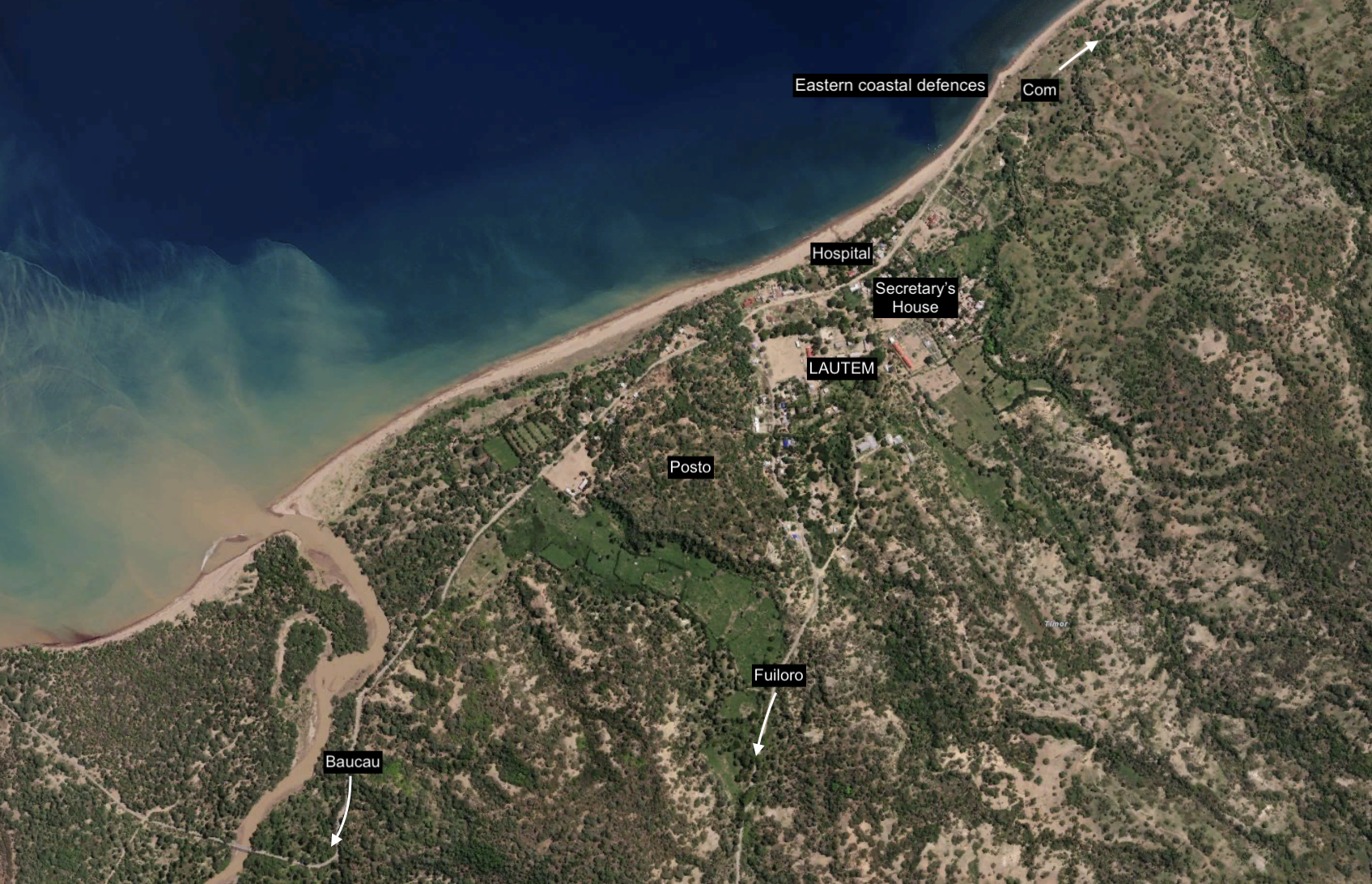
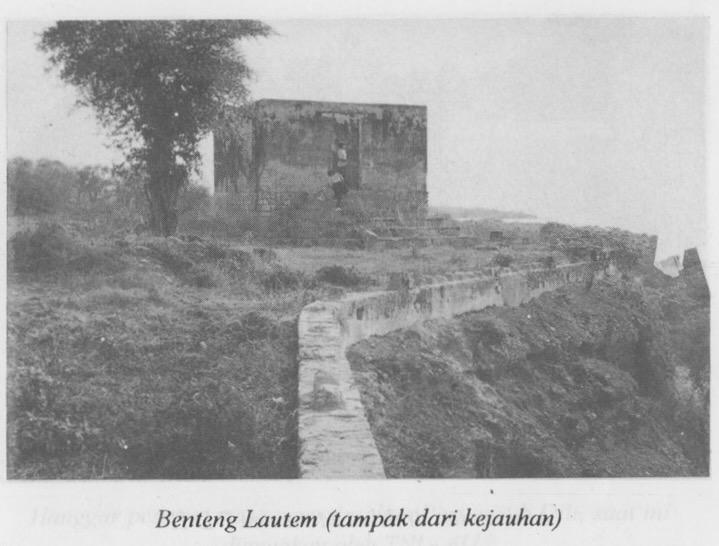
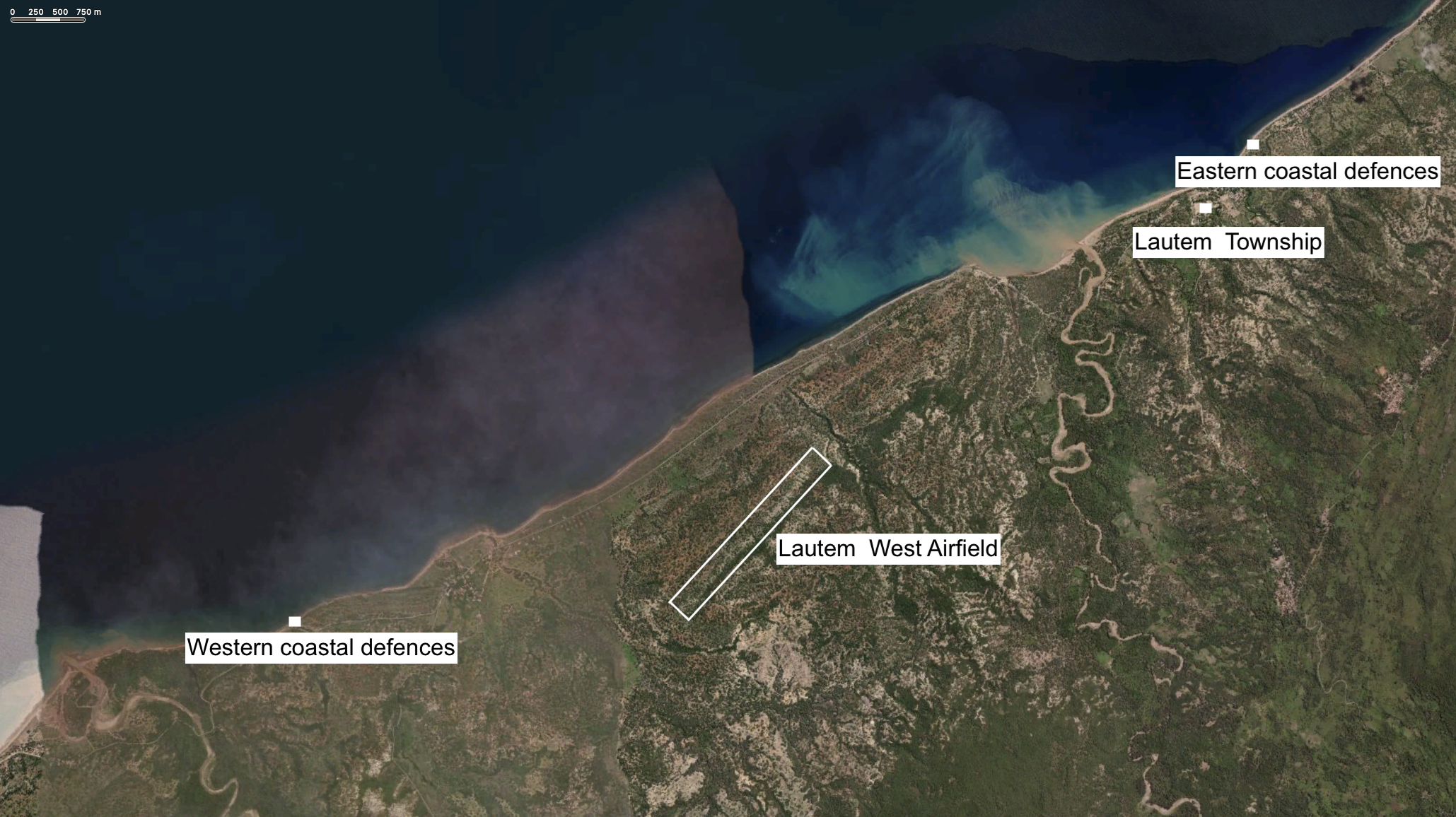
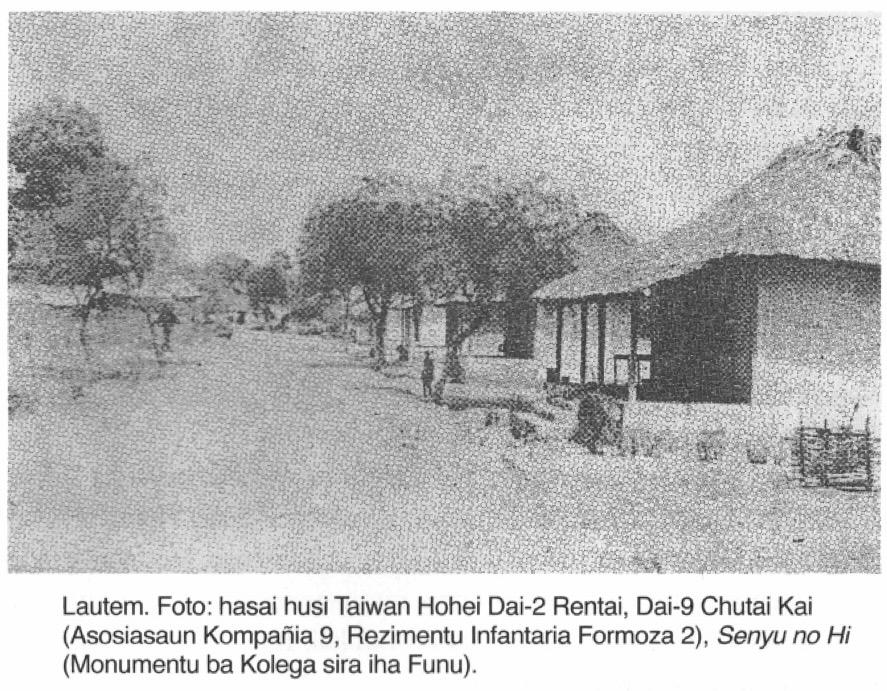
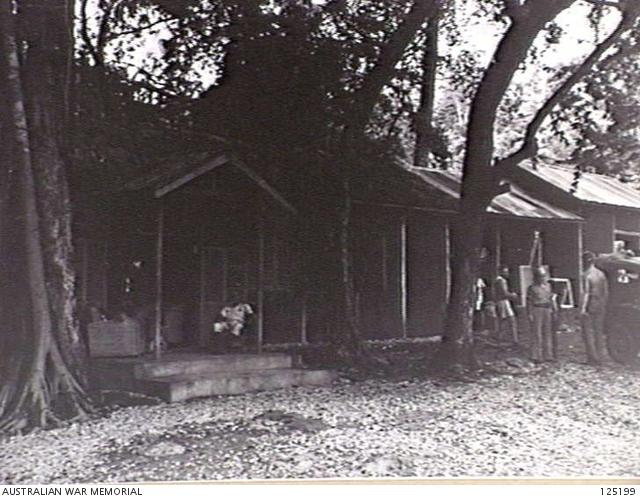
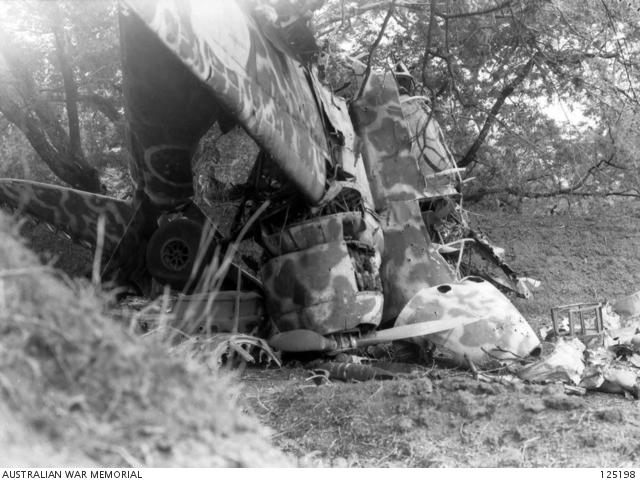
-3971065.jpeg.a19e6e17e6737c16b98aa28b1755d665.jpeg)
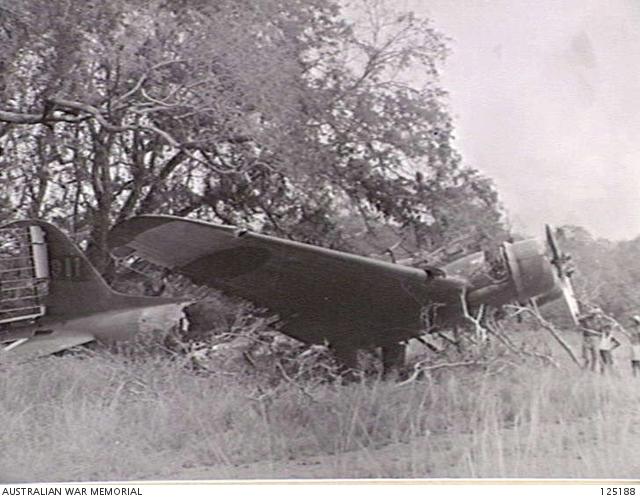
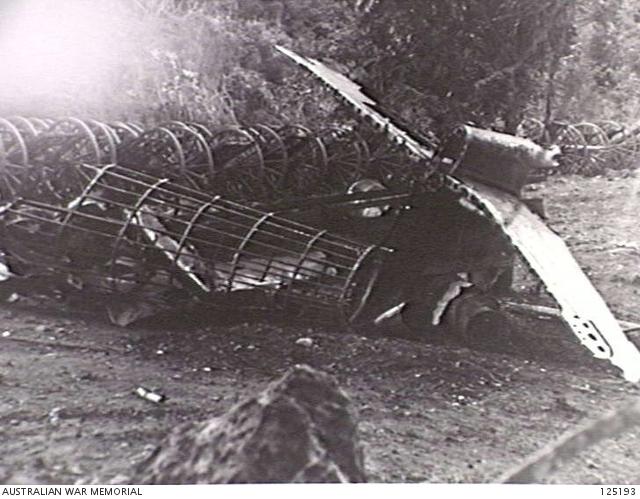
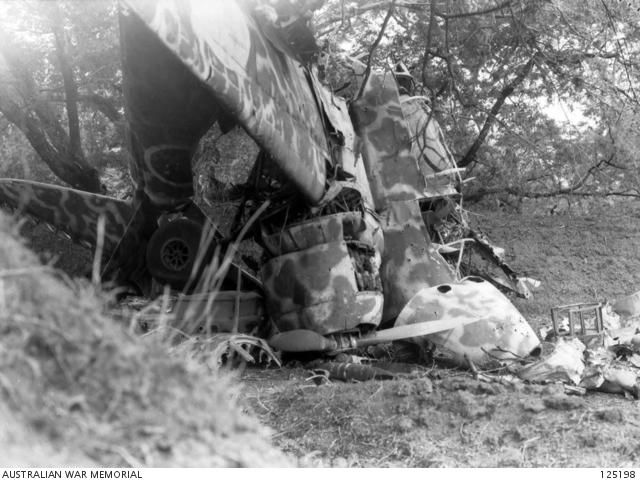
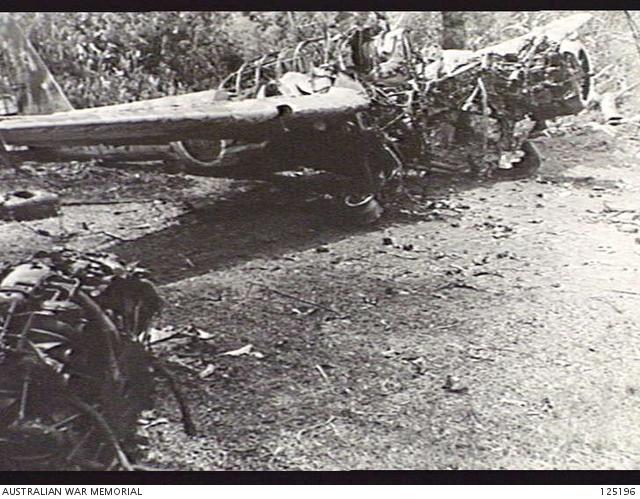
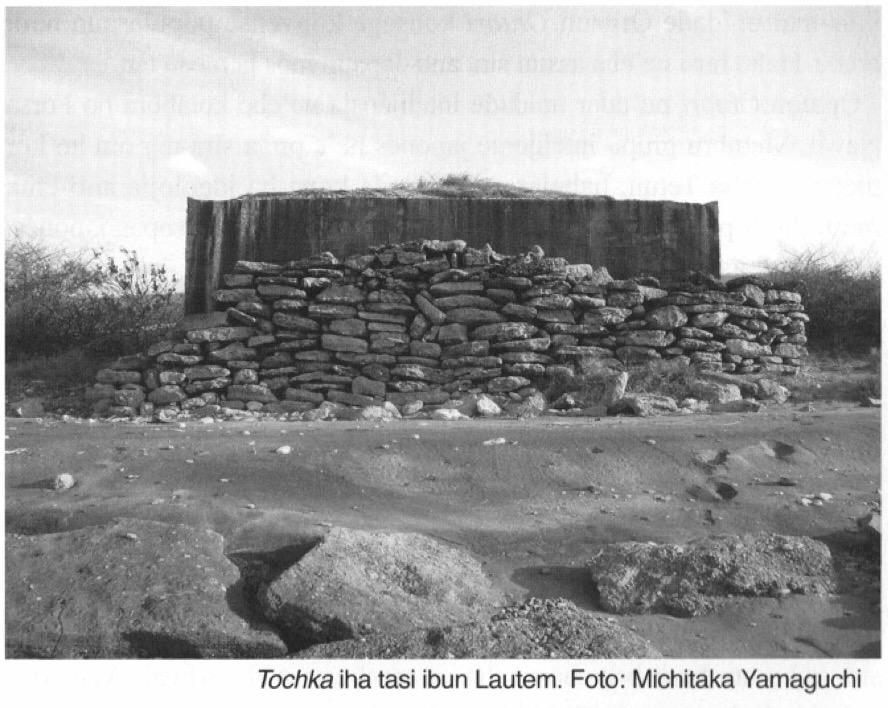
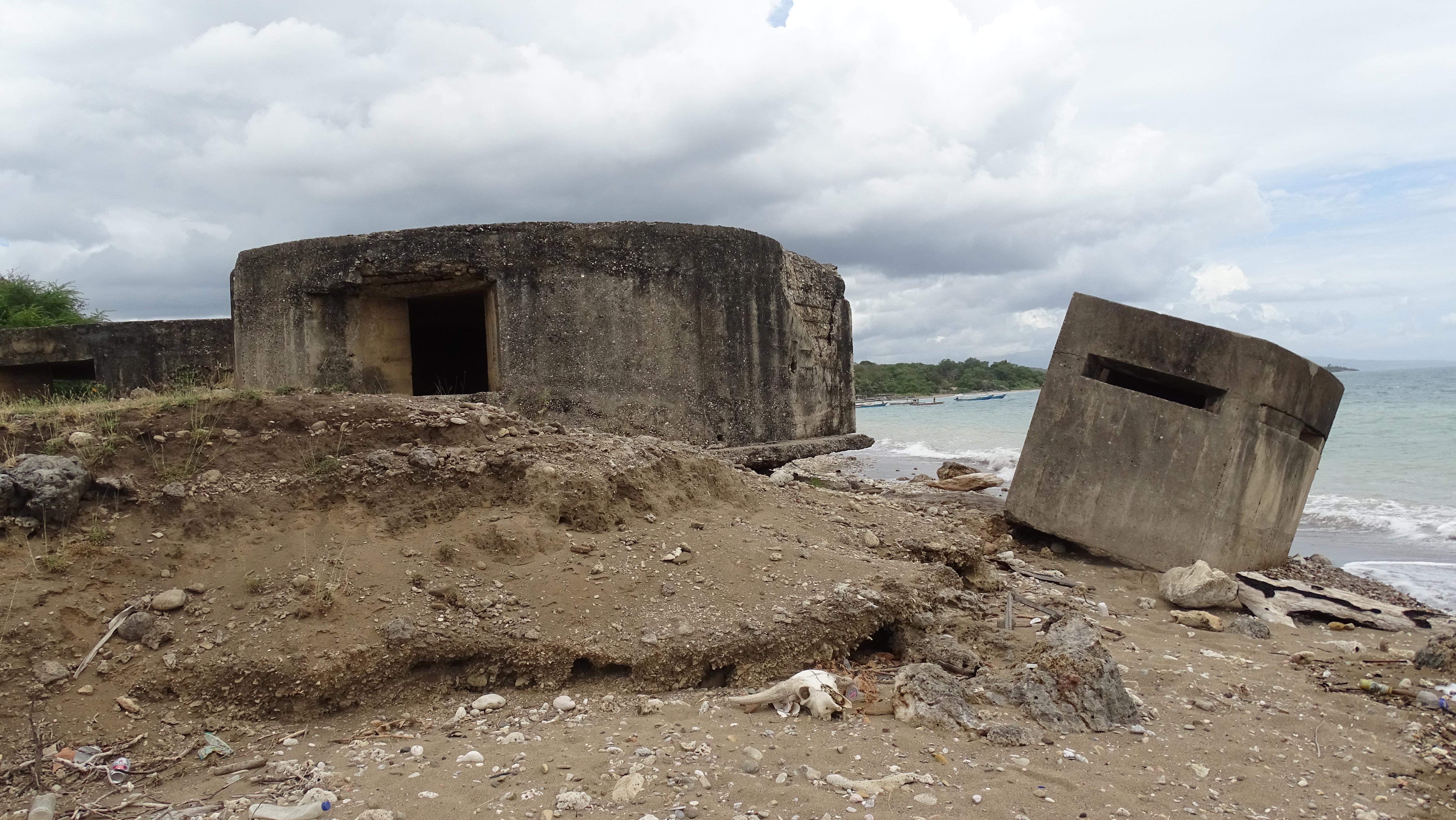
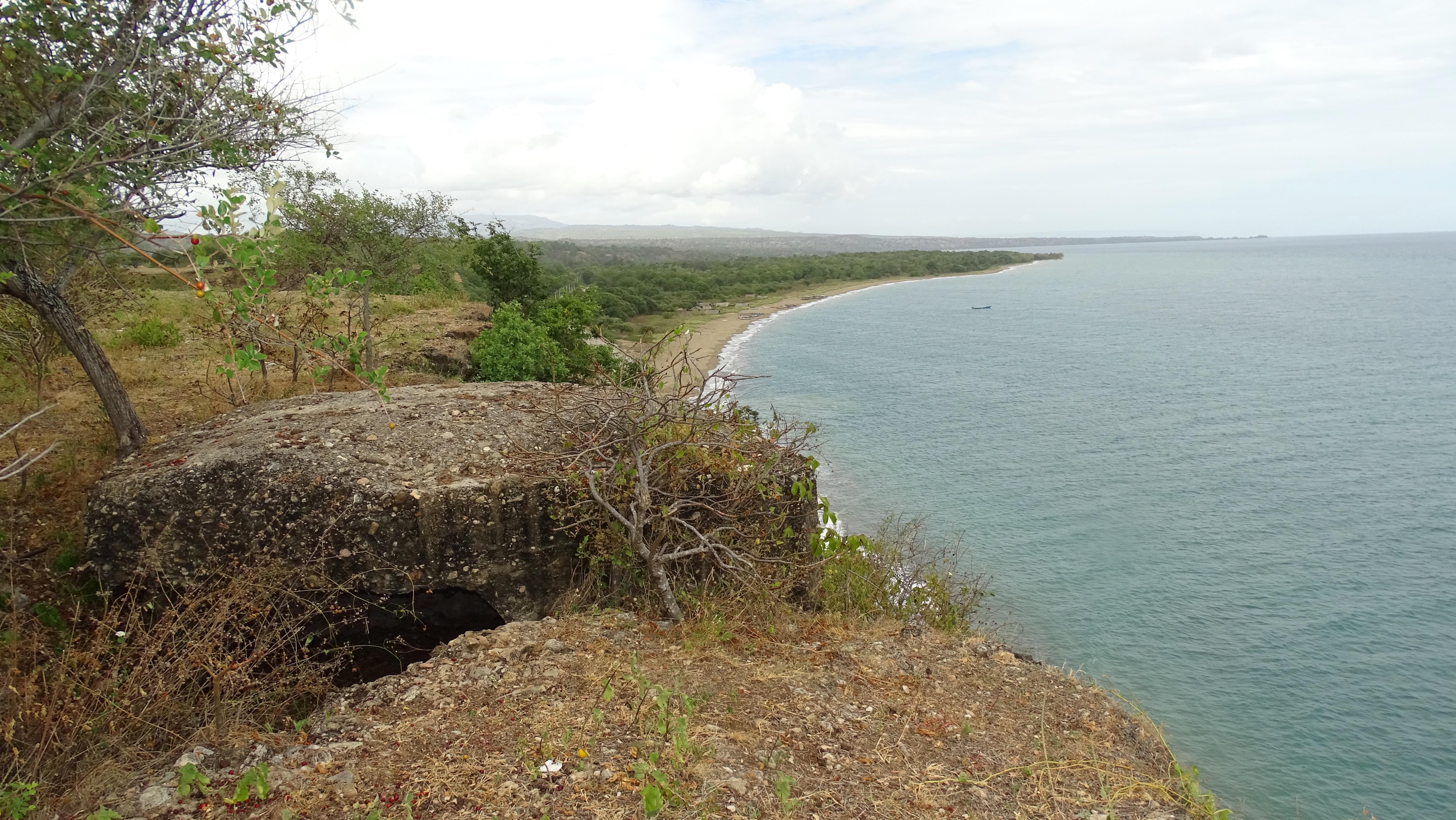
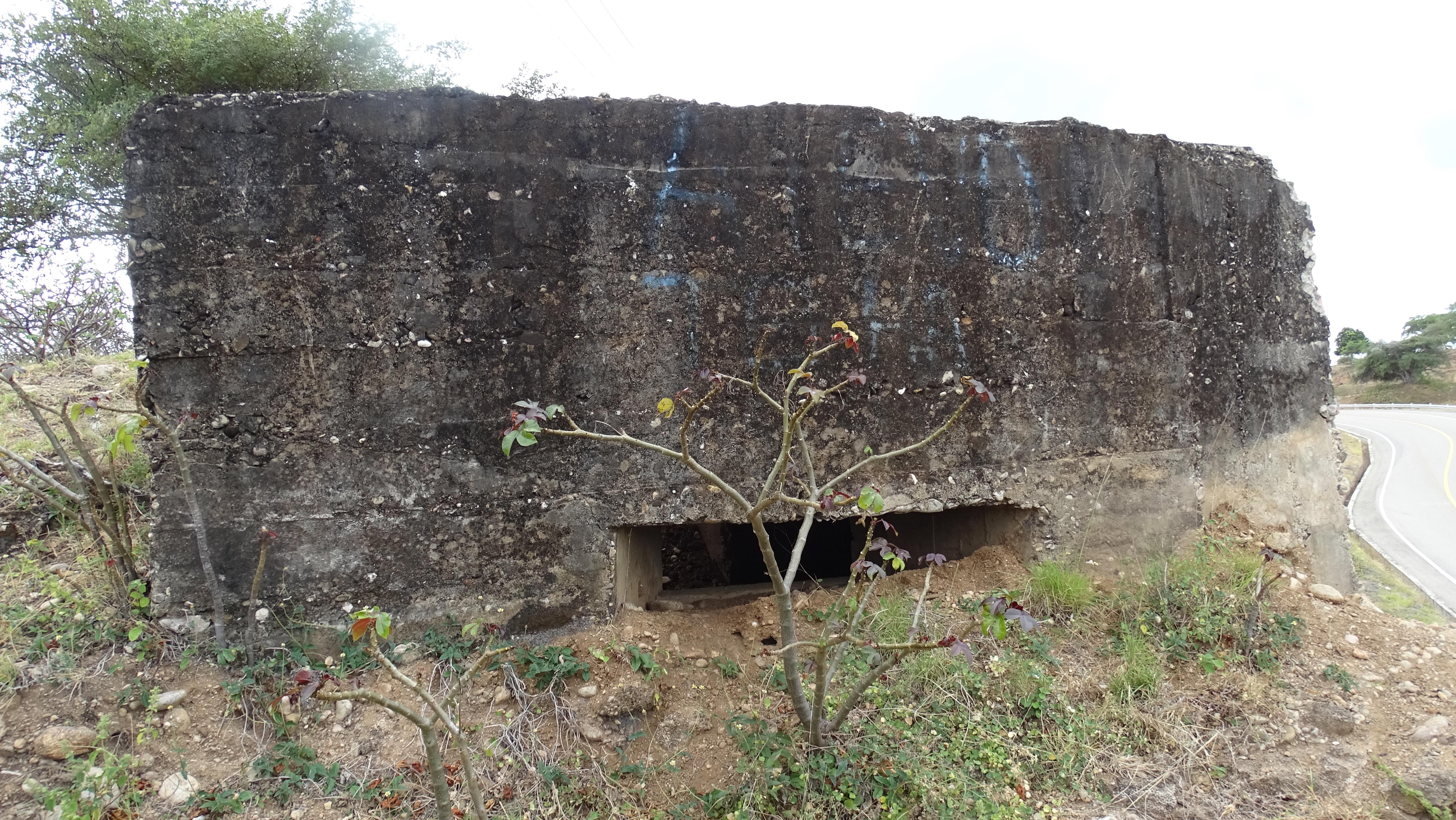
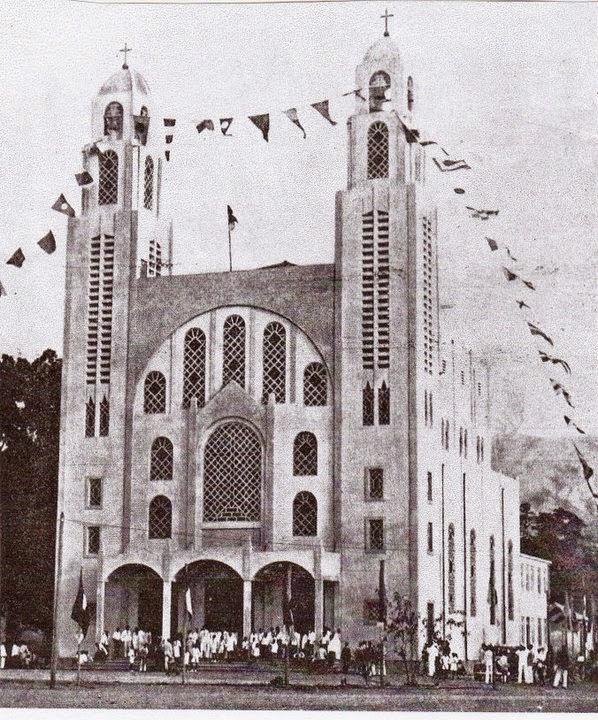
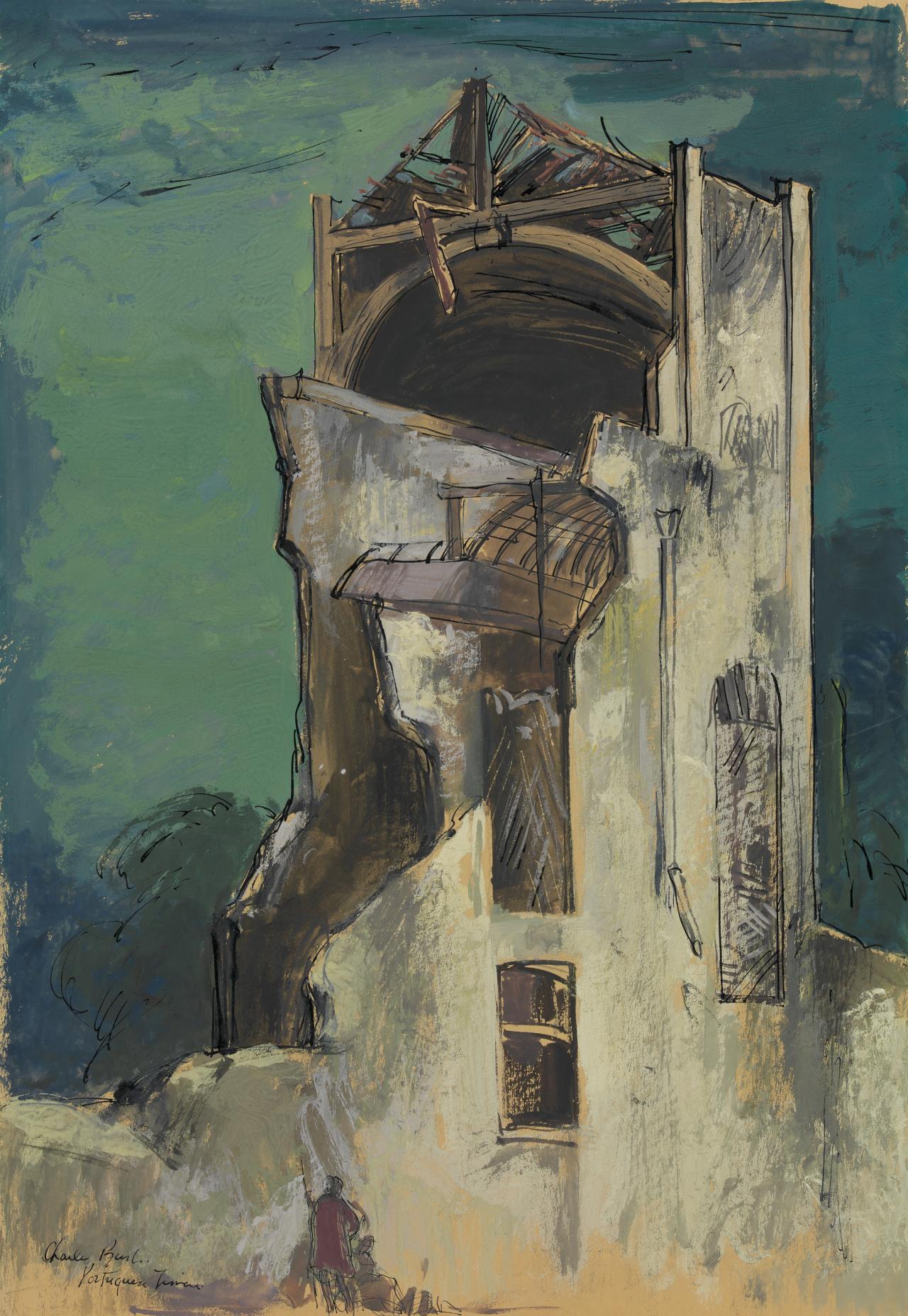
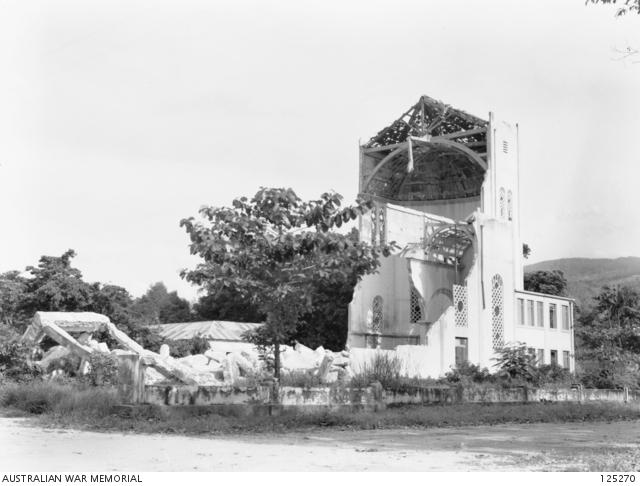
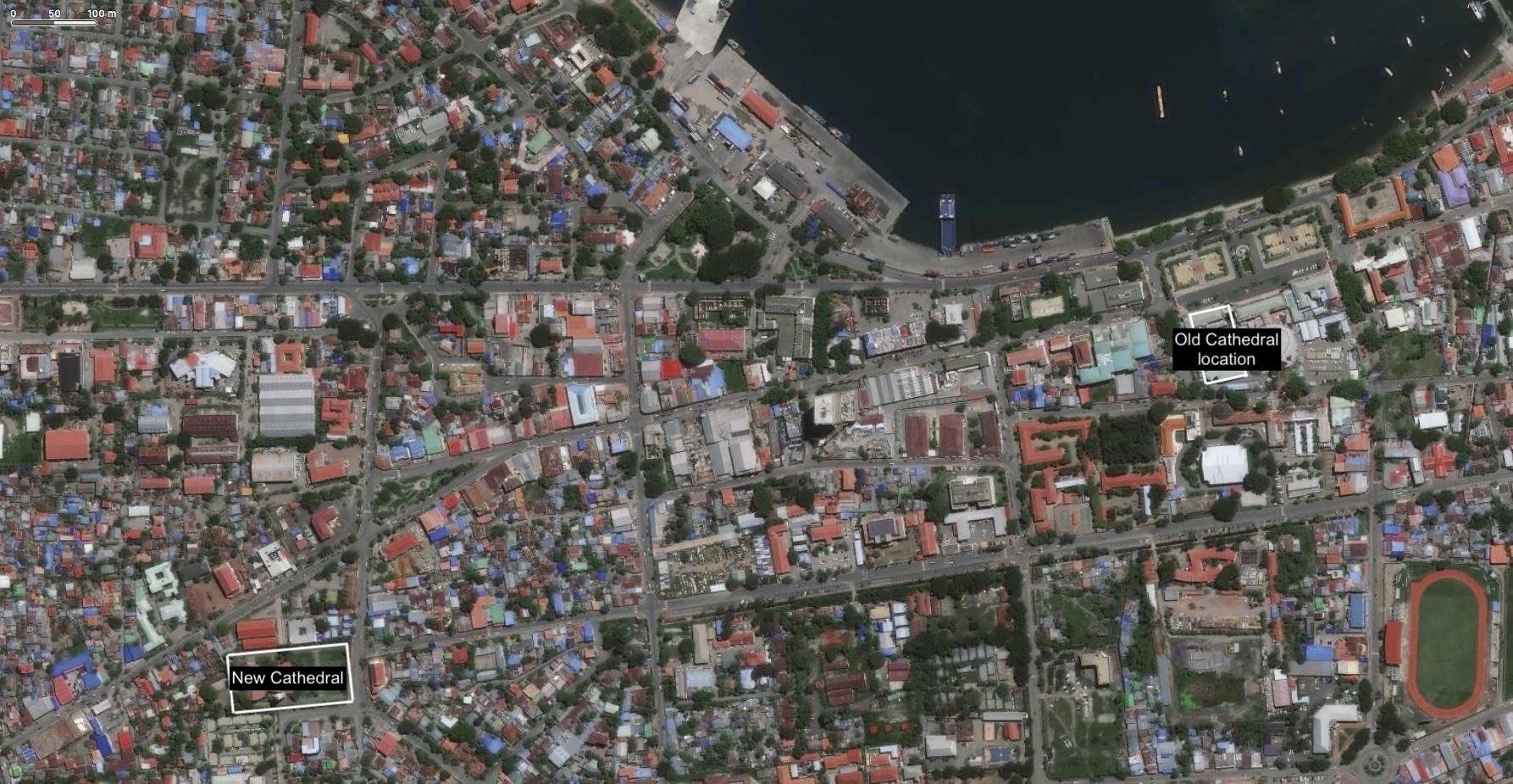
.jpeg.741ee8421248ceb307cd6ca3e3b1c62b.jpeg)